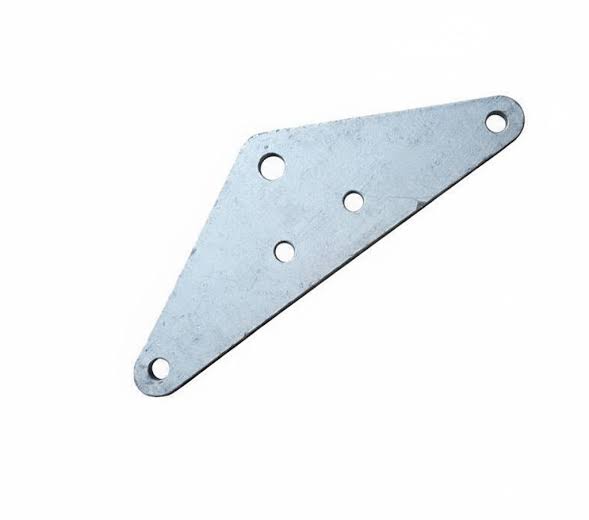
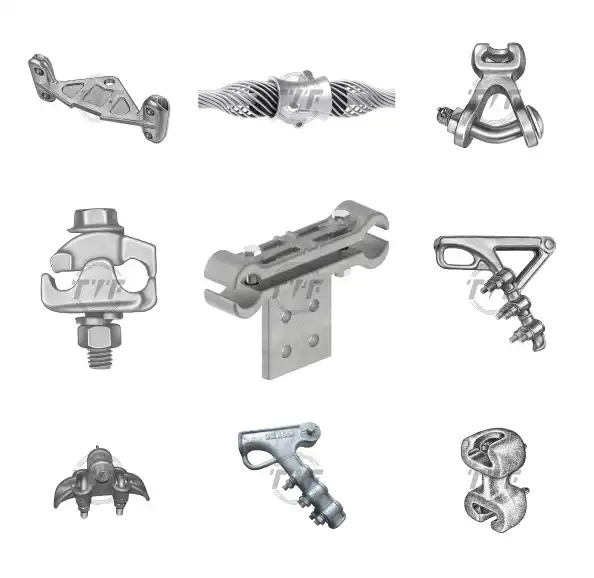
Overhead power networks rely on robust power line fittings to connect critical components such as insulators and clamps. The tri-bundle yoke plate connects the insulator strings and provides attachment points for suspension clamps that hold conductors. The yoke plate...
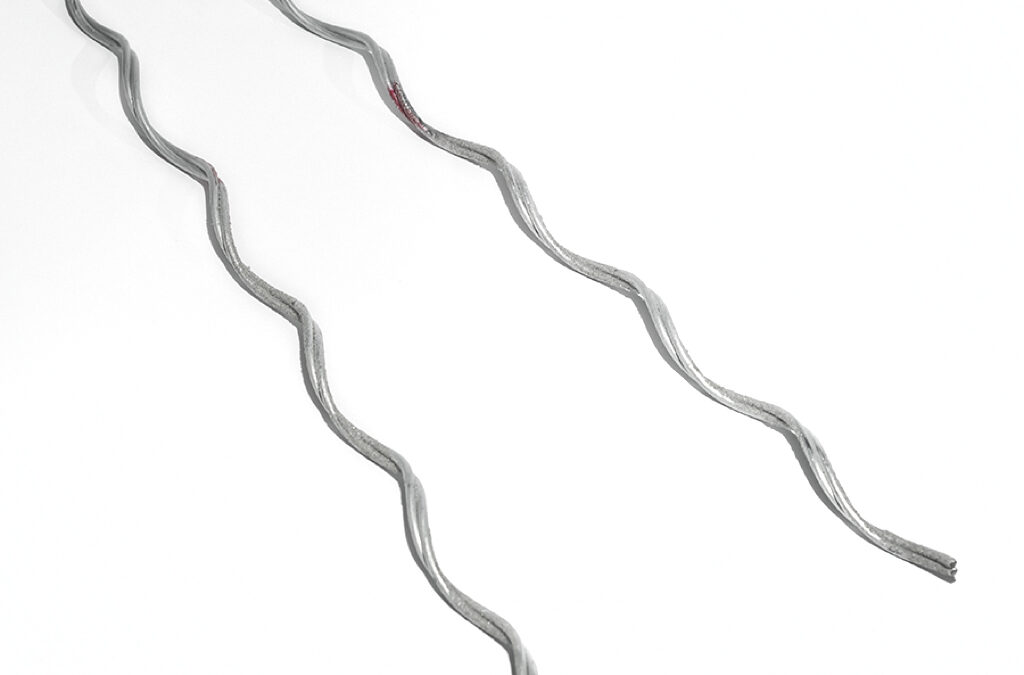
A service grip deadend is a formed wire designed to terminate bare neutral messengers of self-supporting cables used to make service drops. It provides reliable mechanical support while maintaining the cable’s intended installation geometry and reducing excessive...
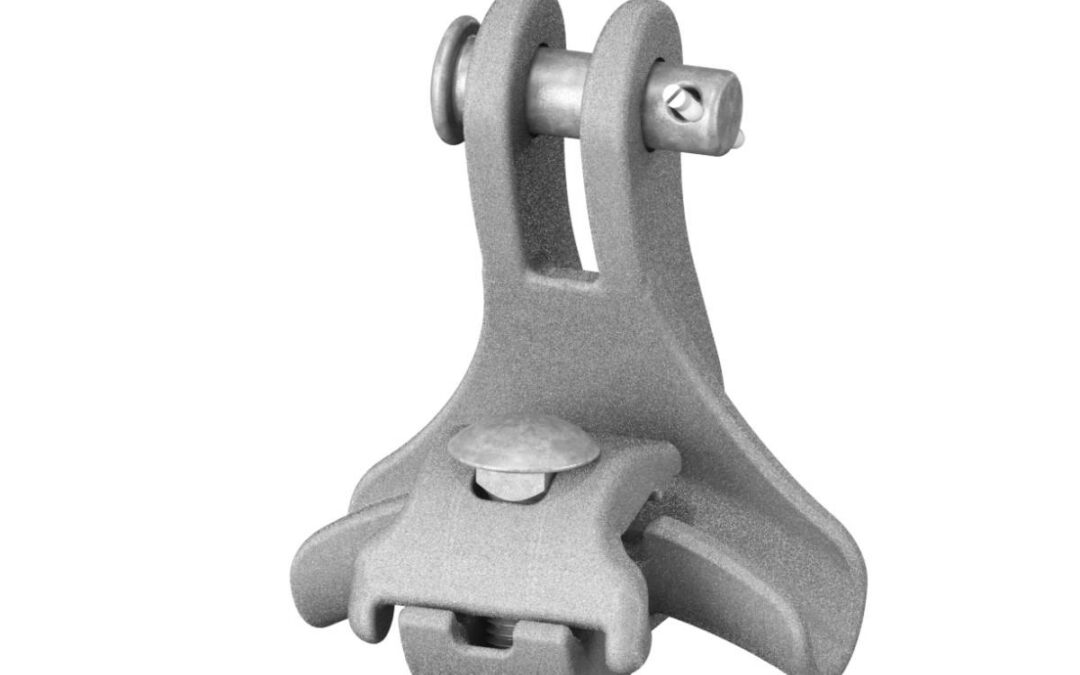
A ground wire suspension clamp serves on overhead power line networks to secure and support a ground wire on a transmission structure. It is installed at intermediate towers where the ground wire continues along the line without being terminated. The clamp holds the...
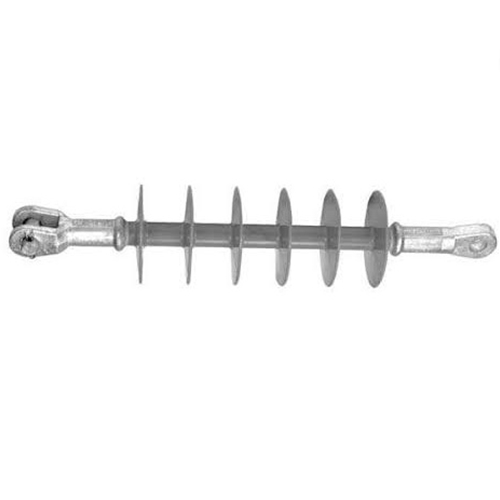
A silicone suspension insulator is an electrical insulator used to support and isolate conductors from poles and towers. It consists of a silicone rubber housing and sheds. The insulator is a high-strength fiberglass-reinforced polymer (FRP) core and metallic end...
A bolted terminal is a mechanical electrical connector that establishes a secure electrical and mechanical connection between conductors, cables, busbars, or electrical equipment terminals. They use bolts, nuts, washers, and a conductive terminal body to create and...