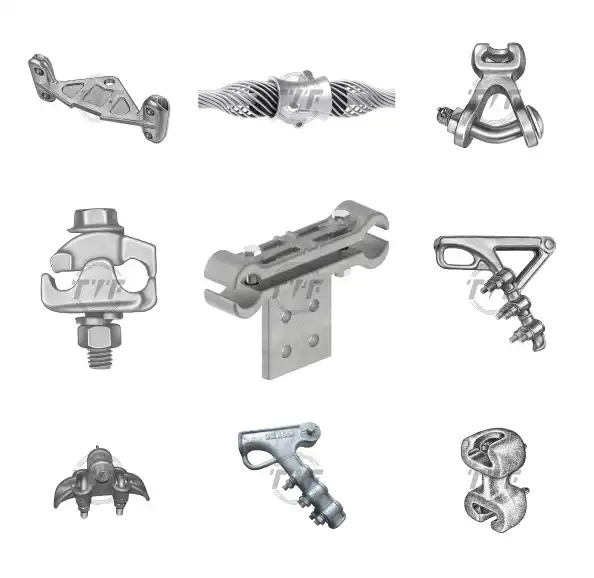
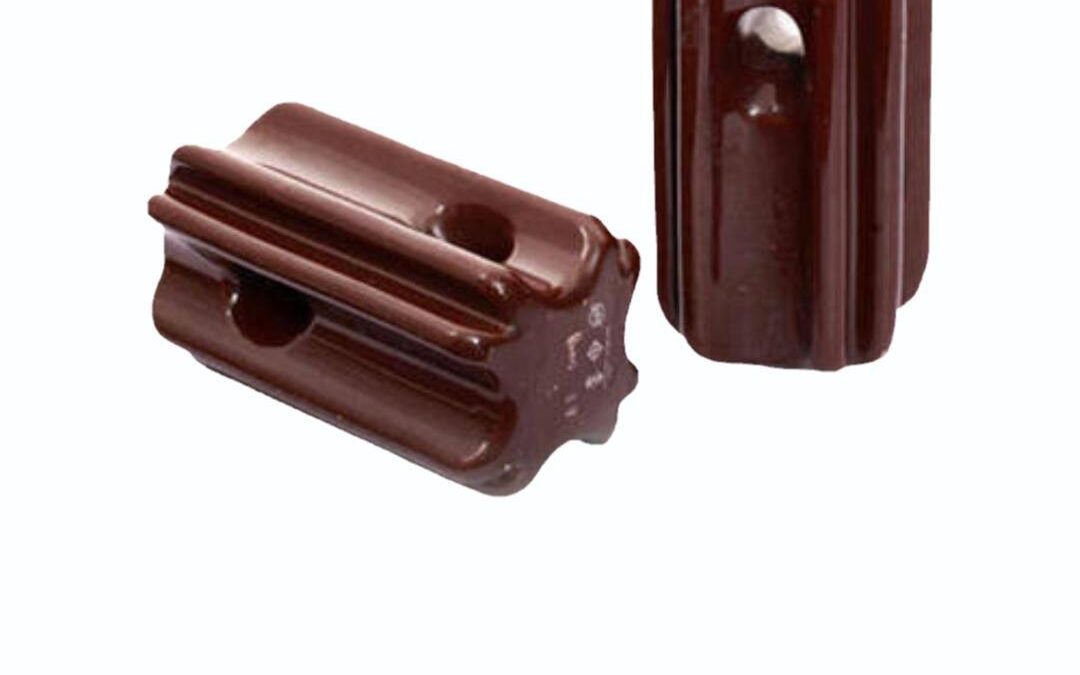
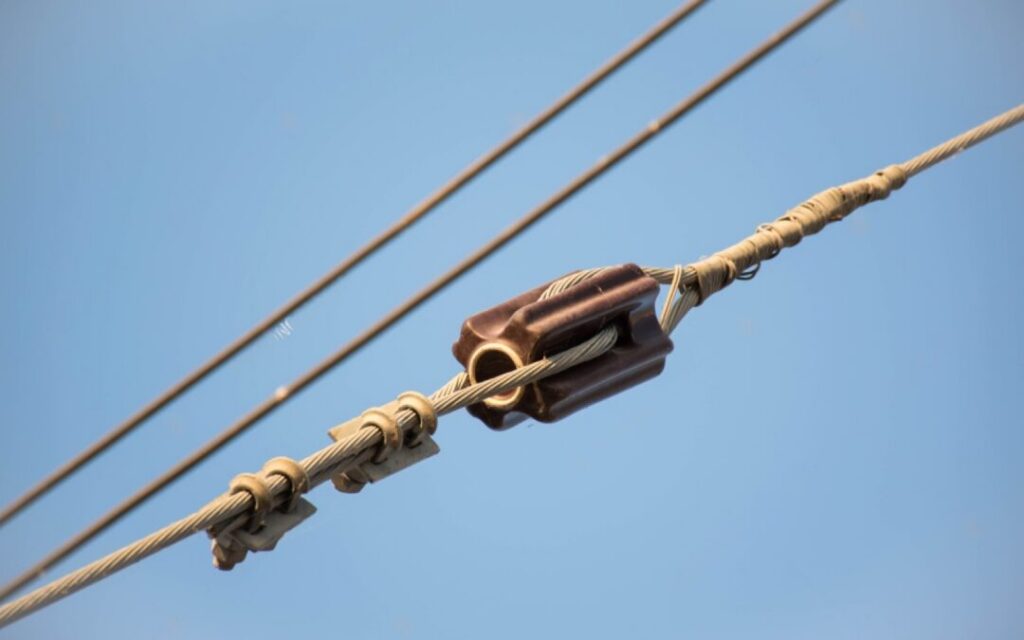
Stay insulators are insulating components that electrically isolate a stay wire from the supporting structure and the ground. A stay wire provides mechanical support and stability to utility poles. The stay insulator is installed into the stay wire to interrupt the electrical continuity of the stay wire. It prevents dangerous voltage from reaching the ground or parts of the support system. Stay insulators are mostly manufactured from porcelain, polymeric materials, or other high-strength insulating compounds. Selecting the right material for the insulator depends on the network voltage, mechanical loading, environmental conditions, and applicable utility standards. Engineers and utility professionals should consider quality-assured stay insulators to confirm they have dielectric strength to withstand voltages without failing. Quality assurance helps prevent failures that can lead to equipment damage, power outages, and safety hazards.
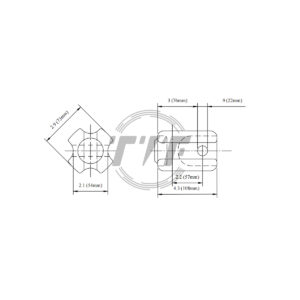
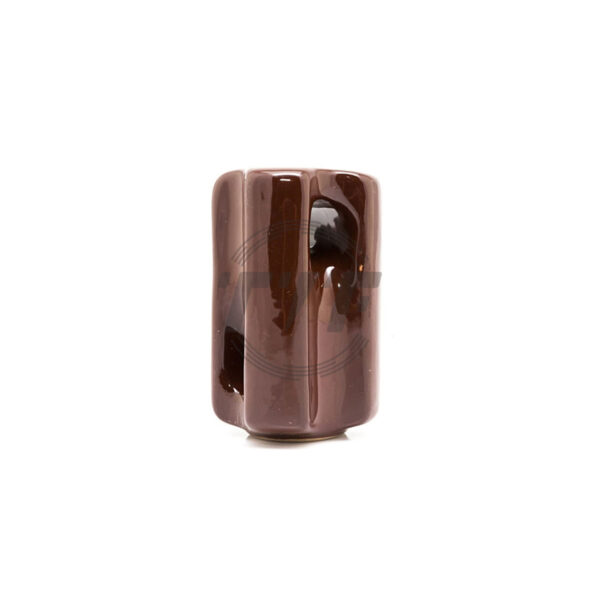
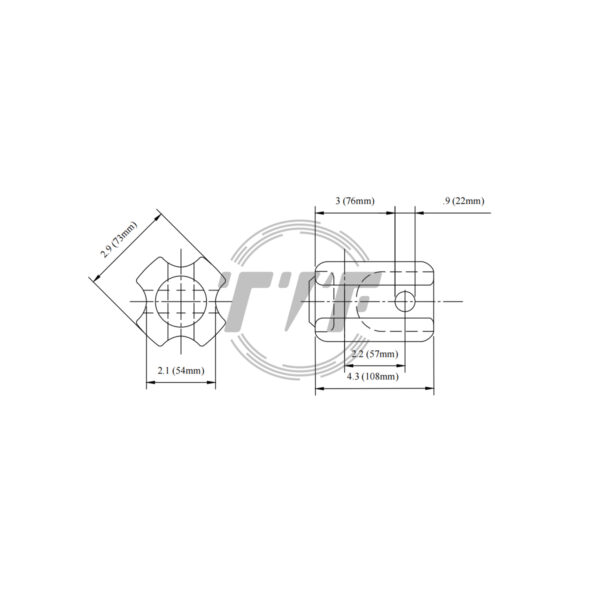
Stay Insulator with 53 KN Mechanical Failing Load
A stay insulator is a vital component used in overhead power line construction to electrically isolate and mechanically support stay wires (guy wires) from grounded structures such as poles or towers. Typically made from high-grade porcelain or polymer materials, the stay insulator ensures the safe transfer of mechanical loads while preventing leakage currents, minimizing the risk of electrical faults and equipment damage.
Key Features:
- High Mechanical Strength: Supports tension loads from stay wires in various weather conditions.
- Excellent Electrical Insulation: Prevents current leakage and ensures system safety.
- UV and Weather Resistant: Performs reliably under prolonged exposure to sun, rain, and temperature extremes.
- Corrosion Resistant Hardware: Galvanized steel or stainless-steel fittings for enhanced durability.
- Standardized Dimensions: Complies with IEC/ANSI standards for compatibility with global power infrastructure.
- Maintenance-Free Operation: Long service life with minimal maintenance requirements.
Structure and components of the stay insulators
Stay insulators are designed to combine electrical insulation with the mechanical requirements of a guy system. Its structure enables it to withstand mechanical tension from the stay wire while preventing electrical continuity between sections of the support assembly. The structure allows the insulator to transfer mechanical tension through the guying system while interrupting the electrical path along the stay wire. Here are the components of the stay insulator.
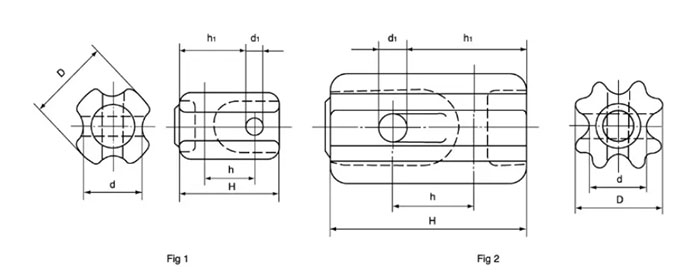
- Insulating body – this is the main component of the stay insulator manufactured from porcelain, polymeric compounds, or other high-strength insulating materials. The body provides electrical isolation between sections of the stay wire, resists electrical leakage and flashover, and provides mechanical strength for the guying arrangement.
- Stay wire connection points—stay insulators have connection points at the ends for attaching the stay wire or other hardware. The connection points allow the insulator to be integrated into the guying system. The ends may accommodate stay wire, guy wire, stay rods, eye bolts, clevises, or other mechanical fittings.
- Metal end fittings – these are metallic end fittings attached to the insulating body. They transfer mechanical loads from one section of the stay wire to the other. These fittings prevent loosening, excessive stress concentration, and premature mechanical failure.
- Insulating ribs – the insulators have ribs, grooves, or sheds on the insulating surface. The features increase the effective creepage distance between the connected metal sections.
- Mechanical load-bearing section – the internal and external structure of the stay insulator withstands the tensile forces imposed by the guy wire. The section maintains integrity under wind loading, conductor imbalance, pole deflection, and dynamic loading.
- Protective surface and weather-resistant materials – the outer surface has a glazed surface with weather-resistant elastomeric materials. These surfaces protect the insulators against water absorption, UV degradation, surface contamination, and thermal cycling.
The roles of quality assurance during the manufacture of stay insulators
Conducting quality assurance for Stay insulators ensures that the insulator meets the electrical, mechanical, dimensional, and environmental performance standards. Quality assurance prevents manufacturing defects that can compromise the stability of utility poles and the electrical safety of the network. Here are the roles of QA during the manufacture of stay insulators.
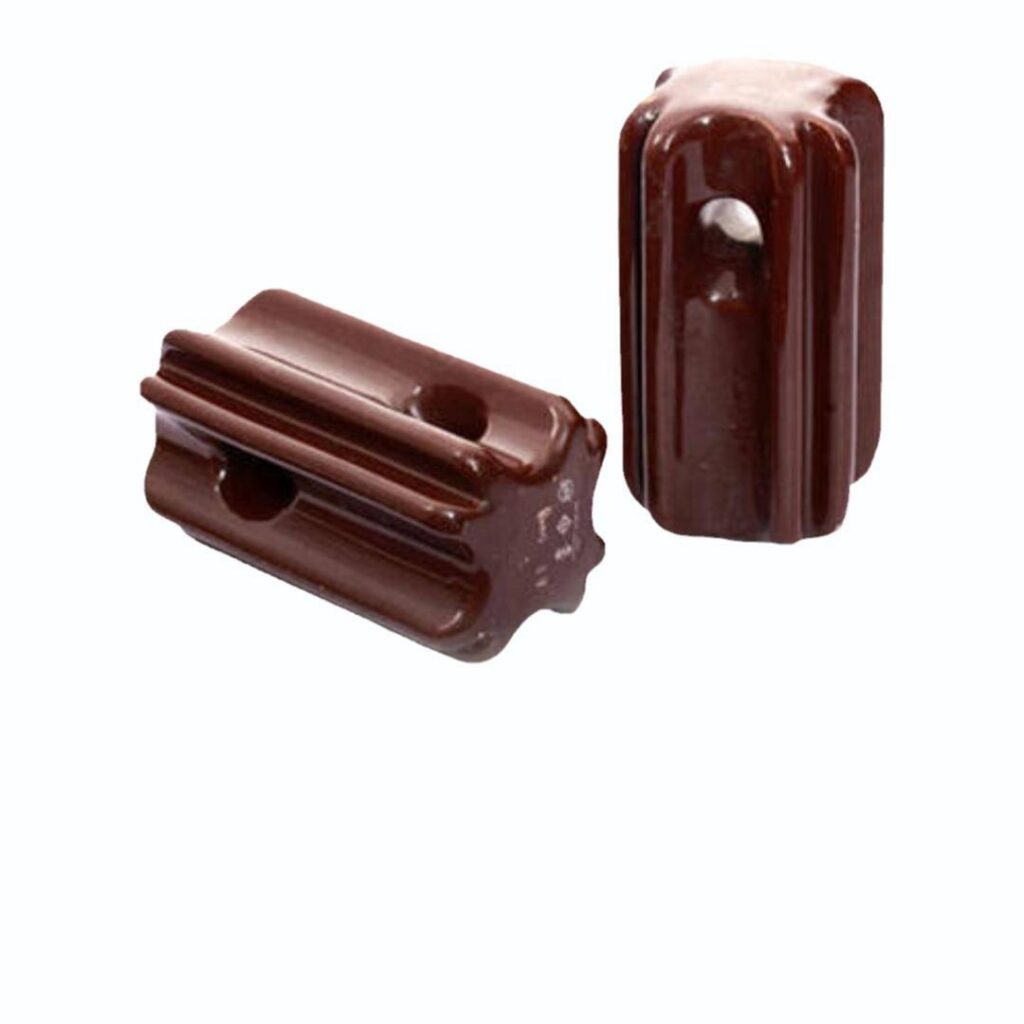
- Verification of raw materials – QA begins with inspecting and verifying raw materials, including porcelain, polymeric insulating compounds, galvanized steel, forged steel, and other metallic components. QA checks confirm that the insulating material has the dielectric properties, metal fittings have enough mechanical strength, and the material meets specified chemical and mechanical needs.
- Control the manufacturing process – QA ensures each stage of production follows approved manufacturing procedures. This includes ceramic firing, polymeric curing, surface finishing, metal forging, and galvanizing.
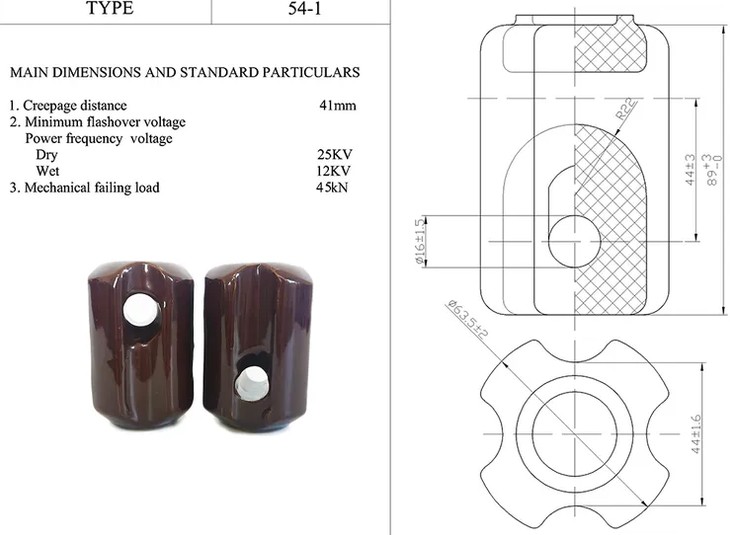
- Dimensional inspection – QA verifies that the finished stay insulator conforms to approved technical drawings and specifications. Is checks length, diameter, connection dimensions, eye dimensions, insulation thickness, creepage distance, and end-fitting geometry.
- Mechanical strength testing – the assurance process confirms that the stay insulator can withstand the tensile forces imposed by the guying system. Mechanical tests check tensile strength, ultimate mechanical load, load-bearing capacity, and strength of the connection between the insulating body and metal fittings.
- Electrical performance testing – QA confirms the electrical insulation properties of the insulator. The tests include insulation resistance testing, dielectric withstand testing, flashover testing, and leakage-current assessment.
- Inspection for manufacturing defects – visual and non-destructive inspections help identify defects that could compromise performance. QA checks for cracks, voids, porosity, surface contamination, uneven molding, poor glazing, and deformation.
Common quality failure modes of stay insulators
Stay insulators fail when defects in materials, manufacturing, assembly installation, or service conditions compromise their electrical insulation and mechanical strength. Effective quality assurance combines raw material inspection, dimensional checks, visual inspection, mechanical testing, electrical testing, and corrosion evaluation. Common quality failure modes include:
- Cracking and fractures—cracks on the insulator develop due to manufacturing defects, thermal stress, mechanical loading, and material aging. These defects reduce mechanical and dielectric strength in stay insulators.
- Internal voids and porosity—the insulators may have voids, air pockets, or excessive porosity within the insulating material. These may reduce its mechanical strength and dielectric performance. These defects arise from poor molding, inadequate compaction, incorrect firing conditions, and inconsistent polymer curing.
- Insulation breakdown – electrical breakdown occurs from insufficient dielectric strength, material deterioration, internal defects, and electrical overstress.
- Surface tracking and flashover – contamination from dust, salt, industrial pollution, or moisture creates a conductive path along the insulator surface. This leads to leakage current, surface tracking, dry-band arcing, and flashovers.
- Poor bonding between the insulating body and metal fittings—poor bonding can cause loosening, separation, misalignment, and reduced mechanical strength.
- Metal fitting failure – the end fittings fail through cracking, bending, deformation, incorrect dimensions, and insufficient tensile strength.
- Corrosion of metal components—corrosion can reduce the strength of metal fittings. This arises from inadequate galvanizing, damaged protective coatings, salt exposure, and industrial pollutants.
Materials used for stay insulators and the importance of quality assurance
Stay insulators are from materials that provide a combination of electrical insulation, mechanical strength, environmental resistance, and long-term durability. The material affects the reliability and safety of the stay assembly used in overhead power networks. Quality assurance for the stay insulators helps detect defects that can result in electrical hazards or failure of the support system. QA detects defects such as cracks, voids, porosity, contamination, and inadequate insulation thickness. Here are the common materials for the stay insulator and how quality assurance protects them.
Porcelain
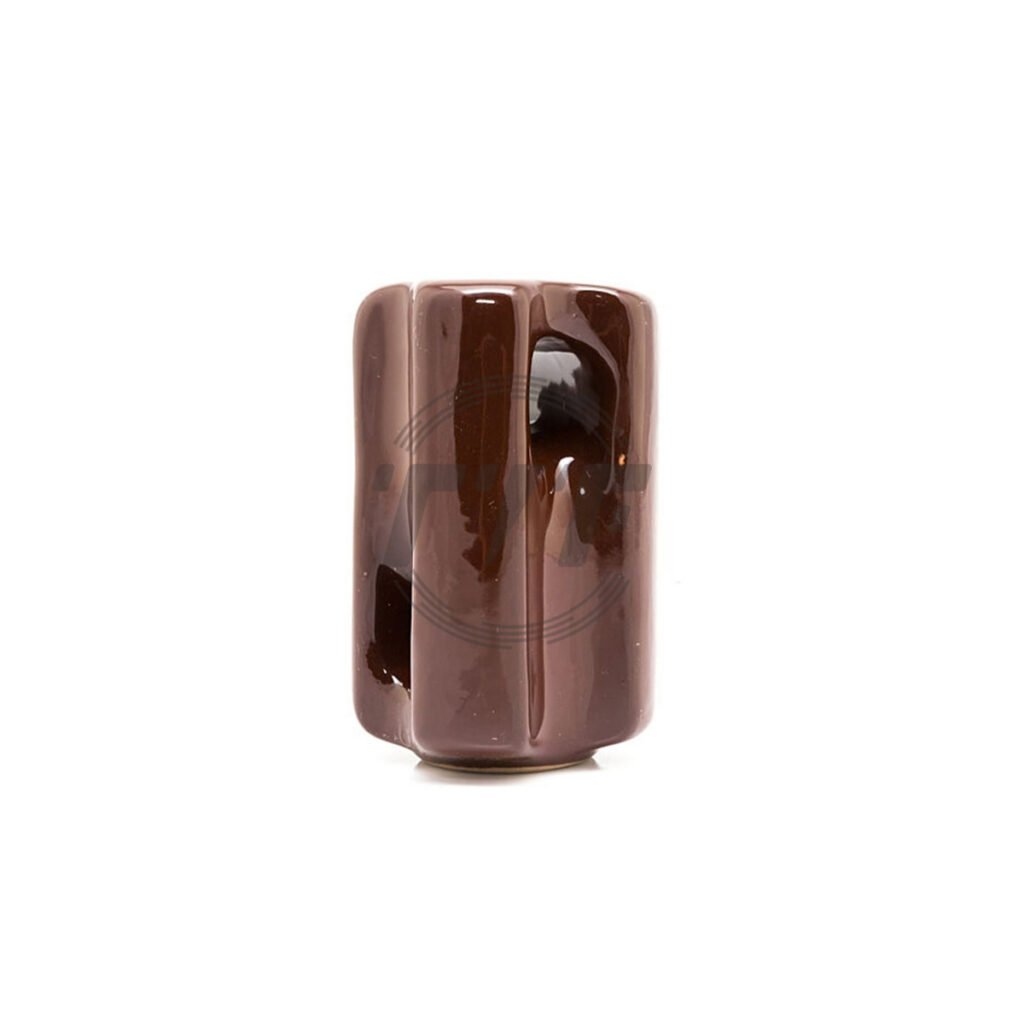
This is a ceramic material with strong dielectric properties and good resistance to outdoor conditions. Porcelain offers high dielectric strength, resistance to moisture, good resistance to UV radiation, and strong resistance to surface aging. However, porcelain can crack or fracture if subjected to impact, excessive mechanical stress, or manufacturing defects.
Polymer and composite materials
Stay insulators use polymeric or composite insulating materials with high-performance polymeric compounds and elastomeric compounds. Polymeric stay insulators have a lightweight construction, high impact resistance, good resistance to mechanical vibration, and good hydrophobic properties. Polymeric materials must be carefully formulated and processed because prolonged exposure to UV radiation, heat, pollution, and moisture can cause aging.
Steel for end fittings
Steel is common for the mechanical fittings connected to the insulating body. These fittings transfer mechanical loads between the stay wire and the insulator. The steel should have high tensile strength, good toughness, suitable dimensional accuracy, and resistance to mechanical deformation.
Protective coatings and finishing materials
Some insulators include protective coatings designed to improve resistance to corrosion, moisture, and EV exposure. The coating must adhere to the underlying material and maintain its protective properties during its service life.
TTF-Certified stay insulators. Why we certify:
TTF’s approach to power line hardware services results in optimal product quality, strict adherence to custom design, and reduced cost. We are constantly checking manufacturing processes, addressing material concerns, and improving staff expertise to ensure the best quality product. Our quality control for the stay insulators begins with the first batch of samples that you received from us. And this continues through all production phases, where our QC staff never stop looking for opportunities to improve product quality. We offer:

- Tolerance Analysis
- Tooling Life Analysis
- Rockwell Hardness Testing per ASTM E18
- Brinell Hardness Testing per ASTM E10
- Magnetic Particle Testing per ASTM E1444 CMM (Coordinate Measuring Machine) Testing
- 24″ Optical Comparator for Complex Measurements
- Tensile/proof load testing up to 160,000 lbs (700 kN)
- Hot Dip Galvanizing Plating Thickness per ASTM E376
- Torque Testing
- Roughness Testing
- Lifetime Sample Retention
- Dimensional Testing
- Mechanical Testing
Benefits of stand insulators in power networks
- Electrical safety – the insulators isolate stay wires from the ground and the support structures.
- Pole stability—stay insulators support guying systems and help maintain the structural stability of utility poles.
- Reduced fault risks – the insulators prevent unwanted electrical paths through stay wires.
- Improved network reliability – stay insulators reduce the likelihood of support-related failures and service interruptions.
- Environmental durability—quality stay insulators can withstand moisture, UV radiation, pollution, and outdoor exposure.
In conclusion,
Stay insulators in power networks offer electrical isolation and mechanical support for guying systems. Their structure includes insulating bodies, metal fittings, and connection points that enable them to withstand mechanical tension while preventing unwanted electrical paths. Stay insulators are from materials such as porcelain, polymer, galvanized steel, and other durable metals that contribute to their performance. Conducting quality assurance helps verify material quality, dimensional accuracy, mechanical strength, electrical insulation, corrosion resistance, and environmental durability. QA prevents failures such as cracking, corrosion, insulation breakdown, and mechanical overload.