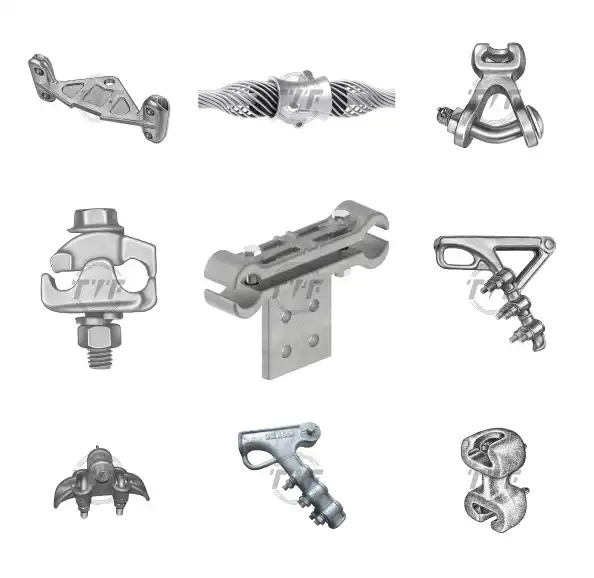
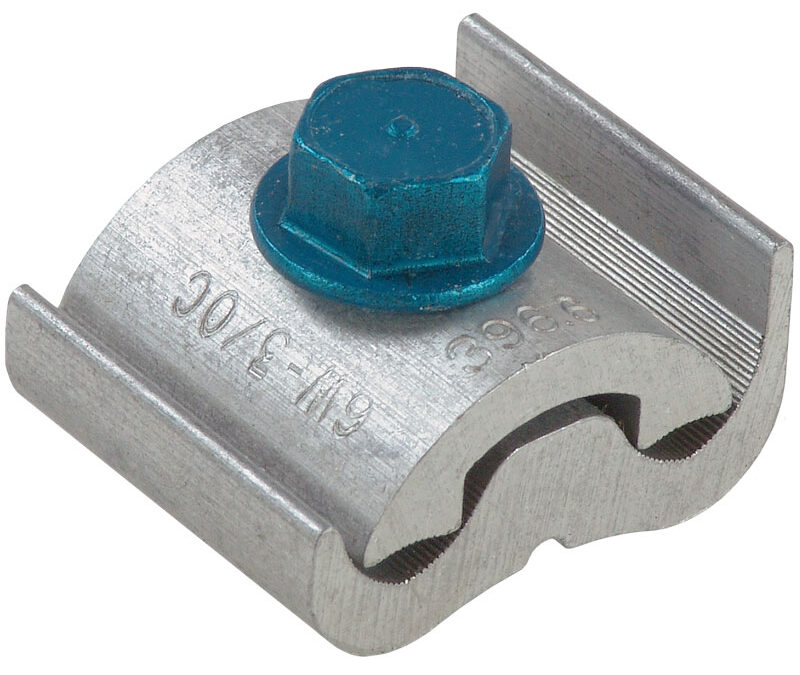
A parallel groove clamp (PGC), or PG clamp, is a mechanical connector with two grooved bodies bolted together to hold and electrically bond two parallel conductors. It serves in overhead power line systems to join or tap two parallel conductors without cutting or interrupting them. It also functions in both transmission and distribution networks for creating electrical and mechanical connections. The parallel groove clamps consist of upper and lower grooved plates, bolts and nuts, and spring washers. The clamp is typically made of aluminum alloy or copper alloy. In most cases, it has bimetallic inserts for dissimilar metals. Its functions include tapping conductors, splicing conductors, electrical bonding, and mechanical support.
Why use parallel groove clamps in overhead power lines?
In overhead power line systems, parallel groove clamps ensure the efficiency, safety, and longevity of the infrastructure. The clamps also ensure the electrical and mechanical connections are reliable, secure, and adaptable. PG clamps provide a low-resistance electrical path between conductors. They ensure uninterrupted current flow across connections for splicing, tapping, or bonding conductors. PG clamps can be installed without cutting the conductor or requiring special tools. By doing so, they maintain mechanical strength while allowing electrical continuity in distribution lines. For instance, a PG clamp can connect a new service drop to an existing rural distribution line without affecting other users. Using high-quality parallel groove clamps reduces the risk of line failure at joints and taps. This enhances the resilience of the power grid.
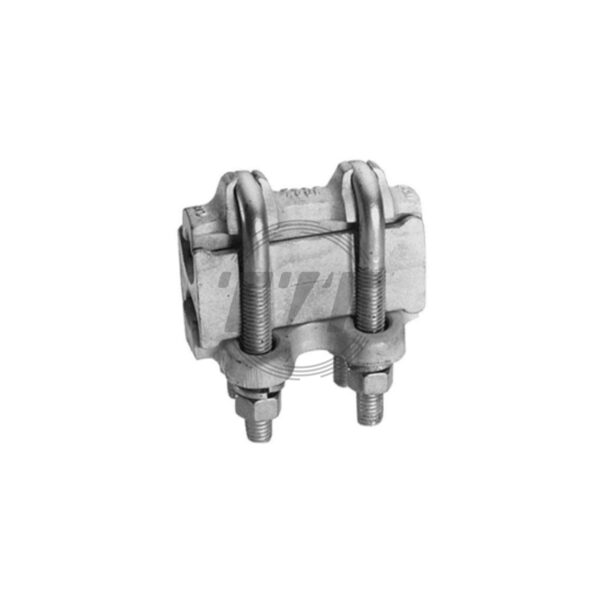
U-Bolted Parallel Groove Connector
Parallel groove clamps are mechanical connectors designed for reliable and low-resistance electrical and mechanical bonding of two parallel conductors in overhead power line systems. Ideal for tapping, splicing, or bonding applications, they are widely used in transmission and distribution networks for both copper and aluminum conductors.
Key Features:
- High-Conductivity Materials: Made from aluminum, copper, or bimetallic alloys for optimal current transfer.
- Precision Grooved Design: Maximizes contact surface and ensures firm conductor seating.
- Multiple Bolt Configurations: Available in single, double, or triple bolt designs for increased clamping force.
- Corrosion-Resistant Coatings: Anodized, galvanized, or tin-plated for extended outdoor durability.
- Anti-Vibration Hardware: Includes spring or lock washers to maintain tension under thermal and mechanical stress.
- Bimetallic Options Available: Safe and effective for copper-to-aluminum connections.
- Tool-Free Live-Line Installation: Compatible with hot-line techniques for energized line work (select models).
- Insulated Models: Optional UV-resistant covers for use in LV-ABC systems.
How a parallel groove clamp works on overhead power lines
A PG clamp is a mechanical device used to connect two parallel conductors without cutting the line. It ensures a strong electrical connection and a firm mechanical grip. It consists of two grooved metal plates shaped to cradle the conductor and increase surface contact. The grooves ensure precise alignment and increase the contact areas. The grooves help enhance conductivity and grip. The upper and lower plates are bolted together to compress the conductors in place. Its bolts apply uniform pressure across the contact area and ensure a secure mechanical hold and a low-resistance electrical path. Pressure from the tightened bolts causes the conductors to make direct metal-to-metal contact inside the grooves. This allows electric current to flow efficiently from one conductor to the other. High-quality PG clamps are able to handle thermal expansion of conductors, wind-induced vibrations, and environmental factors.
Key features of the PG clamp
A parallel groove clamp is able to make secure and efficient electrical and mechanical connections between two parallel conductors. Its features ensure high reliability, easy installation, and durability in harsh environments. Its features include:
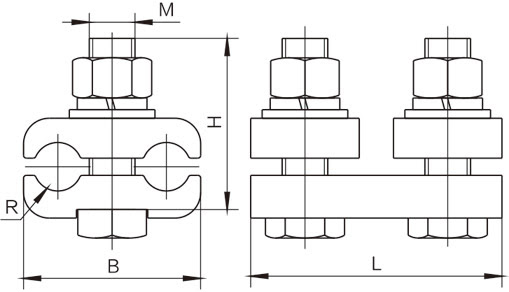
- Parallel grooved contact design—the clamp consists of two matching grooved bodies that fit the shape of round conductors. The grooves maximize contact surface, which improves current flow and reduces electrical resistance.
- Bolt and nut fastening system—most PG clamps use 1 or 3 bolts with hex heads for tightening. Bolts apply uniform clamping pressure along the length of the groove. Also, spring or lock washers help maintain tension over time. These components allow for quick installation, easy inspection, and reliable long-term performance.
- Material compatibility—a parallel groove clamp is from aluminum alloy, copper alloy, and bimetallic types that have a copper insert to prevent galvanic corrosion.
- Corrosion resistance—most PG clamps are anodized, hot-dip galvanized, or electroplated to resist moisture, salty air, and industrial pollutants.
- Low electrical resistance—the right clamping action ensures metal-to-metal contact. It provides low-resistance electrical connection, minimal energy loss, and stable voltage performance.
- Mechanical strength and stability—the clamps are able to withstand high mechanical stress. This includes wind-induced vibration, conductor sagging, and temperature expansion.
Types of parallel groove clamps
Single bolt parallel groove clamp
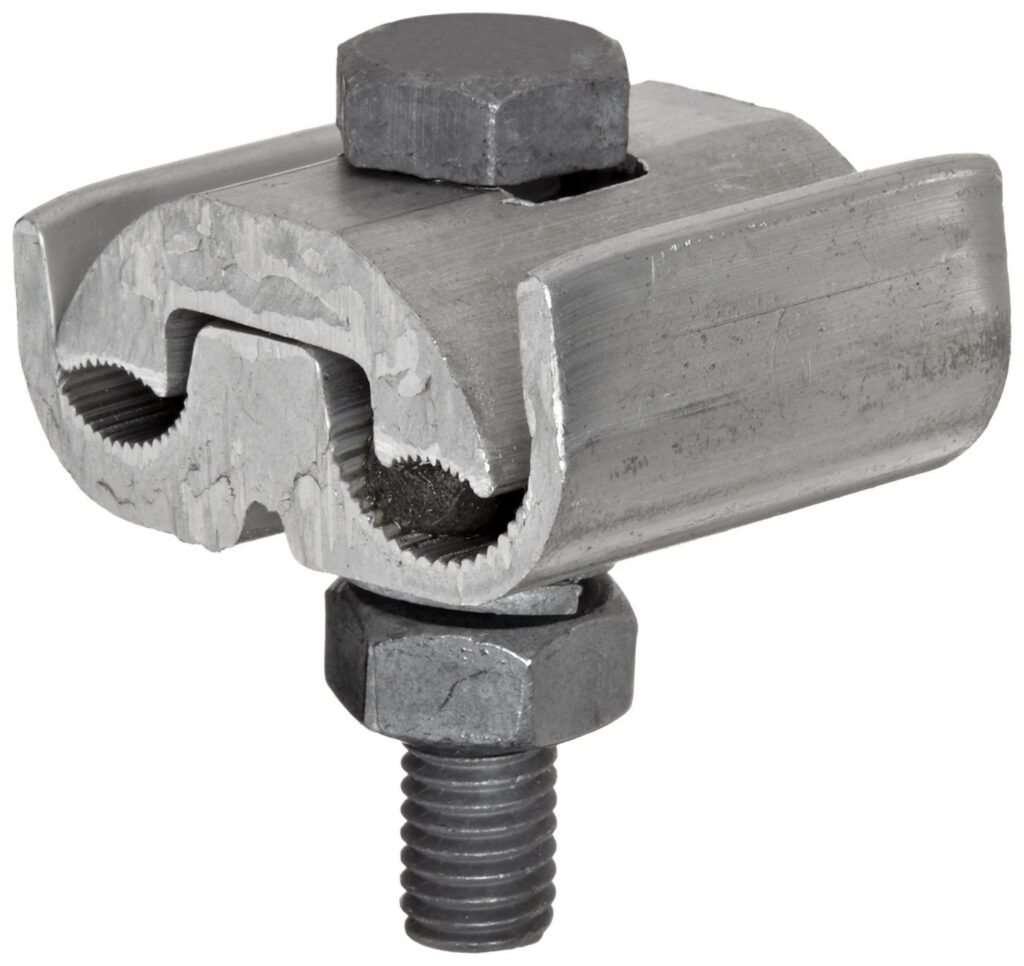
This clamp features one central bolt that tightens the upper and lower grooved plates. It is suitable for light-duty connections such as low-voltage distribution lines or small tap lines. It is easy to install and cost-effective, suitable for rural distribution lines and short taps.
Double or triple bolt PG clamp
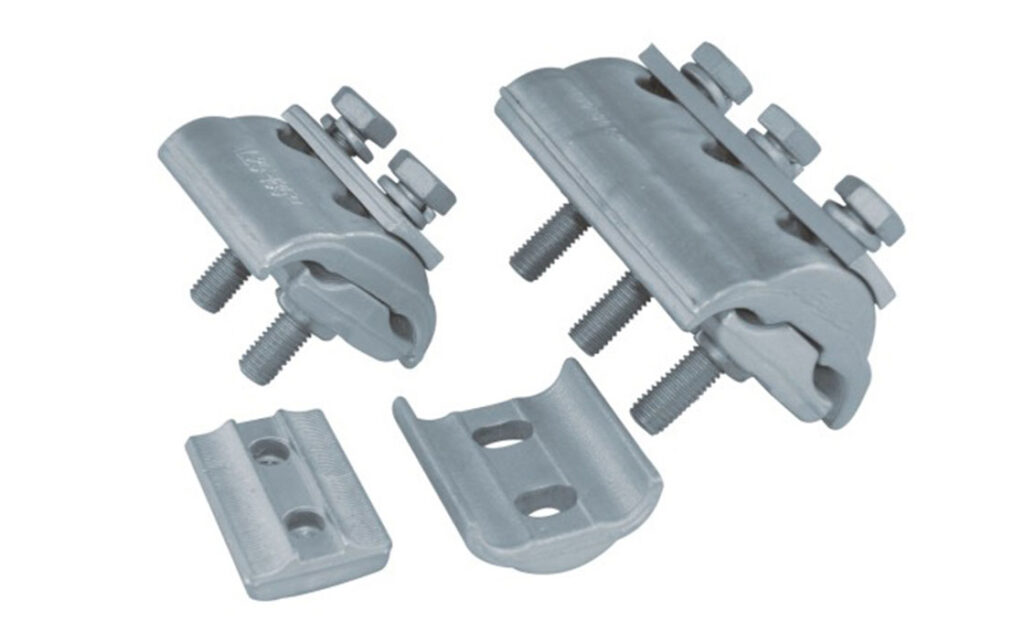
This has two or three bolts for enhanced clamping pressure and surface contact. It serves in medium- to high-voltage lines where a stronger mechanical and electrical connection is necessary. The clamp provides better conductor retention, improved conductivity, and vibration resistance. It is common in overhead transmission and sub-transmission systems.
Insulated parallel groove clamp
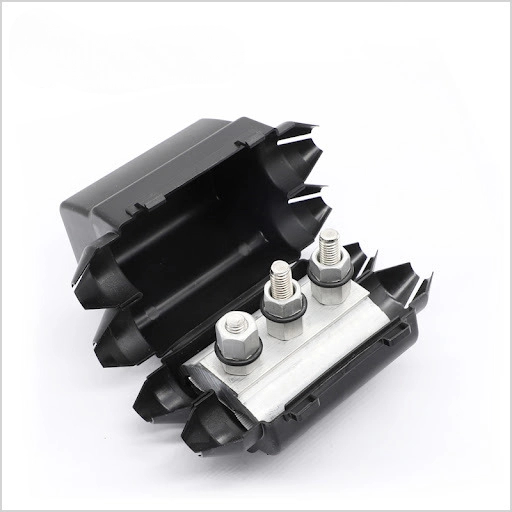
The clamp comes with an insulating cover, and it is often made of UV-stabilized plastic or rubber. It is designed for low-voltage aerial bundled cables and service drop connections. The clamp provides electrical insulation and protection from moisture. This is crucial in preventing accidental contact and reduces the risk of short circuits.
Bimetallic PG clamp
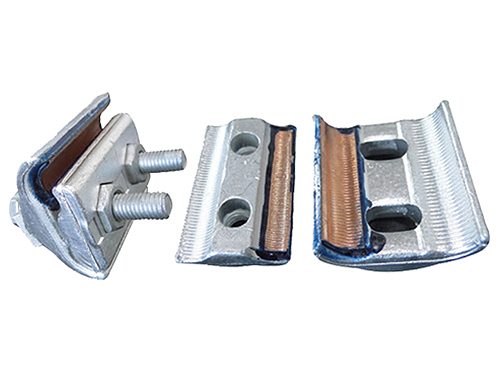
This clamp combines aluminum and copper contact surfaces or includes a tin-plated copper insert. It is safe for dissimilar metals, corrosion-resistant, and electrically compatible. It joins copper to aluminum conductors while preventing galvanic corrosion. The PG clamp is essential in hybrid networks with mixed conductor materials.
Hotline PG clamp
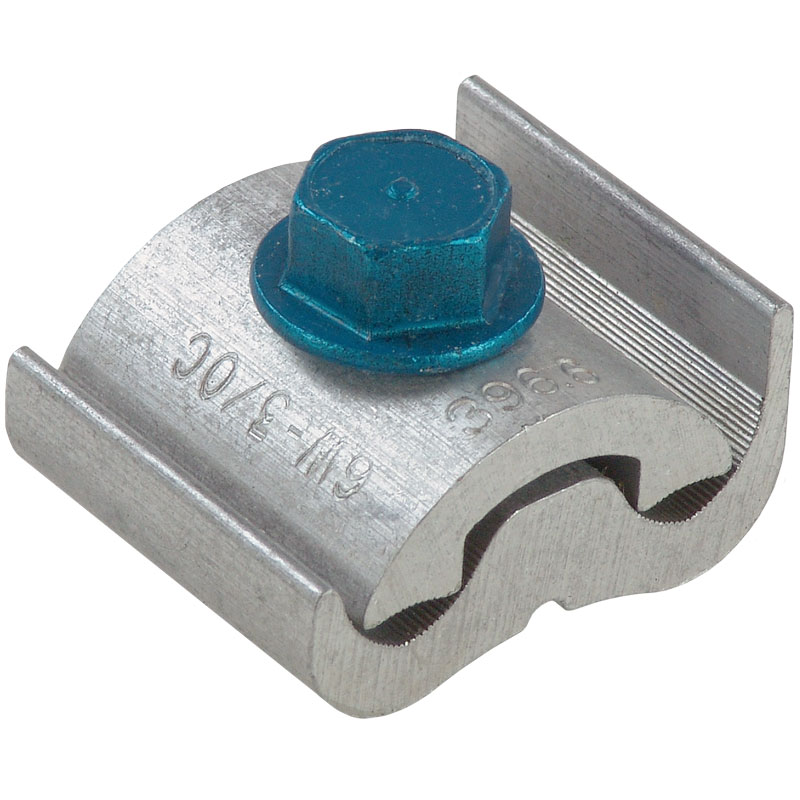
This is specially designed to be installed without de-energizing the line. It serves in live-line maintenance or emergency repairs. Using this clamp reduces outages and is compatible with hot-stick tools. It is critical for maintenance on energized lines in mission-critical grids.
Design and materials for parallel groove clamps
The design and materials for the PG clamp ensure high conductivity, corrosion resistance, and structural durability in harsh outdoor environments. Selecting the right material and design is crucial for electrical performance, mechanical strength, and longevity under stress. Properly designed parallel groove clamp enhances the efficiency of overhead power lines and ensure safety, ease of maintenance, and resilience of the entire grid. The design includes grooved body plates, bolt and washer mechanisms, and insulating covers. Here are the common materials for parallel groove clamps.
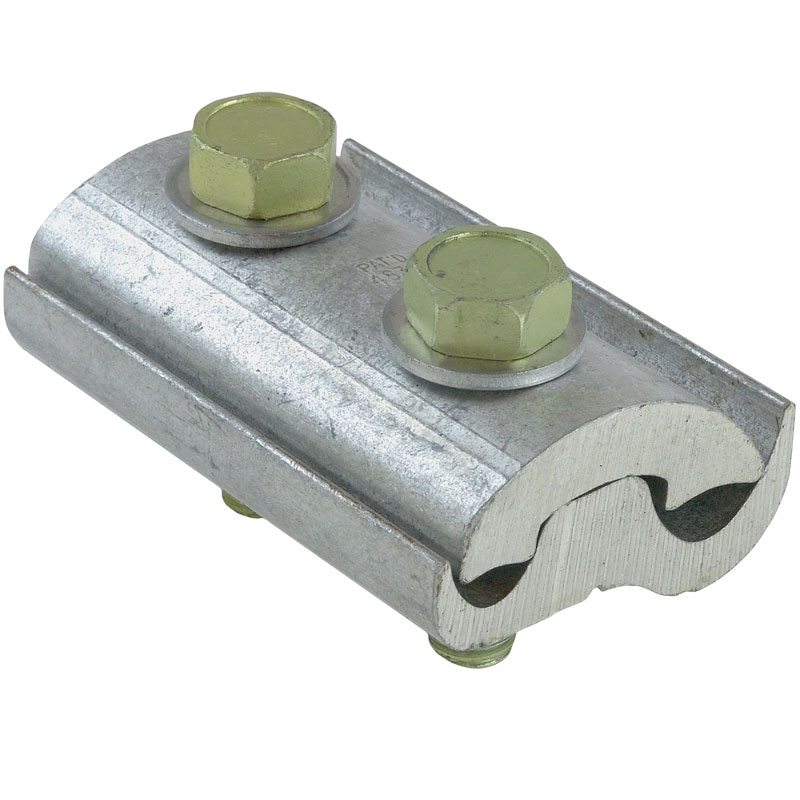
- Aluminum alloy—this material is lightweight, conductive, and corrosion-resistant. PG clamps made from this material are suitable for use in medium- and low-voltage systems.
- Copper alloy—this is useful when the conductor material is copper. It provides excellent electrical conductivity and corrosion resistance. The clamps from this material are common in urban networks or specialized industrial lines.
- Bimetallic combinations—this includes combining aluminum and copper inserts used to safely connect aluminum to copper conductors. They prevent galvanic corrosion caused by dissimilar metal contact. It includes tin-plated copper inserts, copper sleeves, and composite alloy coating.
- Steel components—bolts and washers—are from galvanized or stainless steel that provides high tensile strength and corrosion resistance. Steel ensures long-term reliability and maintenance efficiency. The PG clamps often feature anti-seize coatings for ease of removal.
Functions of parallel groove clamps in overhead power lines
Parallel groove clamps are indispensable components in the construction and maintenance of overhead power lines. They have a unique design that allows them to perform electrical and mechanical functions. They are crucial for ensuring safe, efficient, and long-lasting power distribution. Their functions in overhead power lines are as discussed below.

- Conductor tapping—PG clamps help tap secondary conductors or service lines from a main overhead conductor. The tap conductor is in one groove and the main line in the other line. The clamp ensures a secure connection without interrupting or cutting the main line. This ensures efficient service drop connections without power disruption.
- Splicing parallel conductors—the clamps join two conductors end-to-end in parallel in extensions or repairs of existing lines. It ensures continuous electrical flow between segments and provides strong mechanical support for the joint.
- Electrical bonding—the clamps ensure a low-resistance electrical connection between conductors. This helps prevent voltage drop at joints, maintain line continuity, and reduce energy losses due to poor contact. It acts as a reliable conductive bridge between parallel lines.
- Mechanical holding and stability—the grooved structure and bolting system hold the conductors in place. They prevent slippage under load, loosening due to wind, or disconnection from thermal expansion and contraction.
- Enhancing grid flexibility—PG clamps allow for quick grid modifications such as adding new circuits, extending lines, and re-routing power. This increases the adaptability of the power distribution system.
- Enabling safe connections between dissimilar metals—bimetallic parallel groove clamp connect copper and aluminum conductors using tin-plated inserts. They prevent galvanic corrosion and preserve electrical performance over time.
- Easy installation and maintenance – PG clamps can be installed without specialized tools, allow for quick tap-offs, and support live-line networks. This helps save time during repairs, expansions, and inspections.
Best practices for using parallel groove clamps in overhead power lines
Following industry-recommended best practices when installing and maintaining a parallel groove clamp is crucial to ensure safe, reliable, and long-lasting connections. Improper use can lead to electrical faults, energy losses, or mechanical failure. These include removing oxidation and dust, applying proper torque, choosing the right clamp material, ensuring full conductor seating in the grooves, using insulated clamps, considering thermal expansion and line vibration, and performing routine inspections. It is also important to follow manufacturer and utility standards, select the right clamp size, and use the right treatments to prevent corrosion and improve conductivity. Following these practices enhances the performance, durability, and safety of overhead power lines. Parallel groove clamps keep the grid secure, efficient, and resilient under demanding environmental and load conditions.