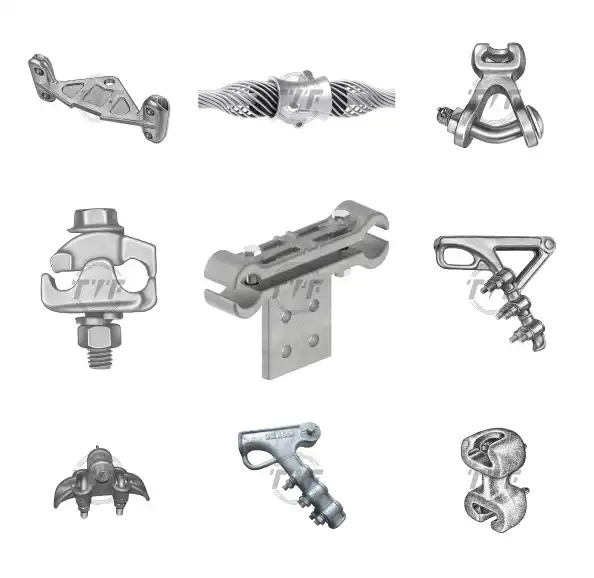

A fiberglass secondary connector is an electrical component used in overhead distribution systems. Its primary function is to secure and support secondary conductors. They are usually used in low-voltage lines that deliver power from pole transformers to end-use consumers. The connector is made from high-strength fiberglass-reinforced polymer. This provides insulation properties and resistance to corrosion, UV radiation, and harsh environmental conditions. It keeps secondary wires properly spaced and attached on power poles without conducting electricity. Fiberglass secondary connectors are common in modern utility grids because they help utilities reduce maintenance, prevent energy losses, and meet demanding reliability standards.
Importance of using fiberglass secondary connectors
A fiberglass secondary connector is a crucial component in reliable power distribution. The connector provides excellent electrical insulation, prevents accidental energization, and reduces the risk of faults on poles. This is crucial in distribution lines where lines run close together. Their manufacture helps resist rust, chemical exposure, and UV damage. Their lightweight nature allows them to withstand tension, vibration, and environmental stress. They help maintain conductor spacing to keep the network stable during storms, heat cycles, and line movement. With increased renewable generation and distributed loads, energy grids are more complex. This demands the use of fiberglass secondary connectors to support grid modernization. They do so by improving durability, lowering lifecycle costs, and enhancing operational safety.
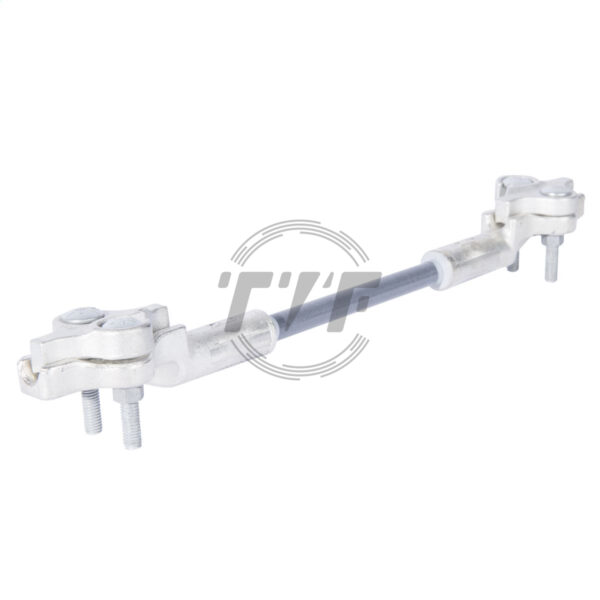
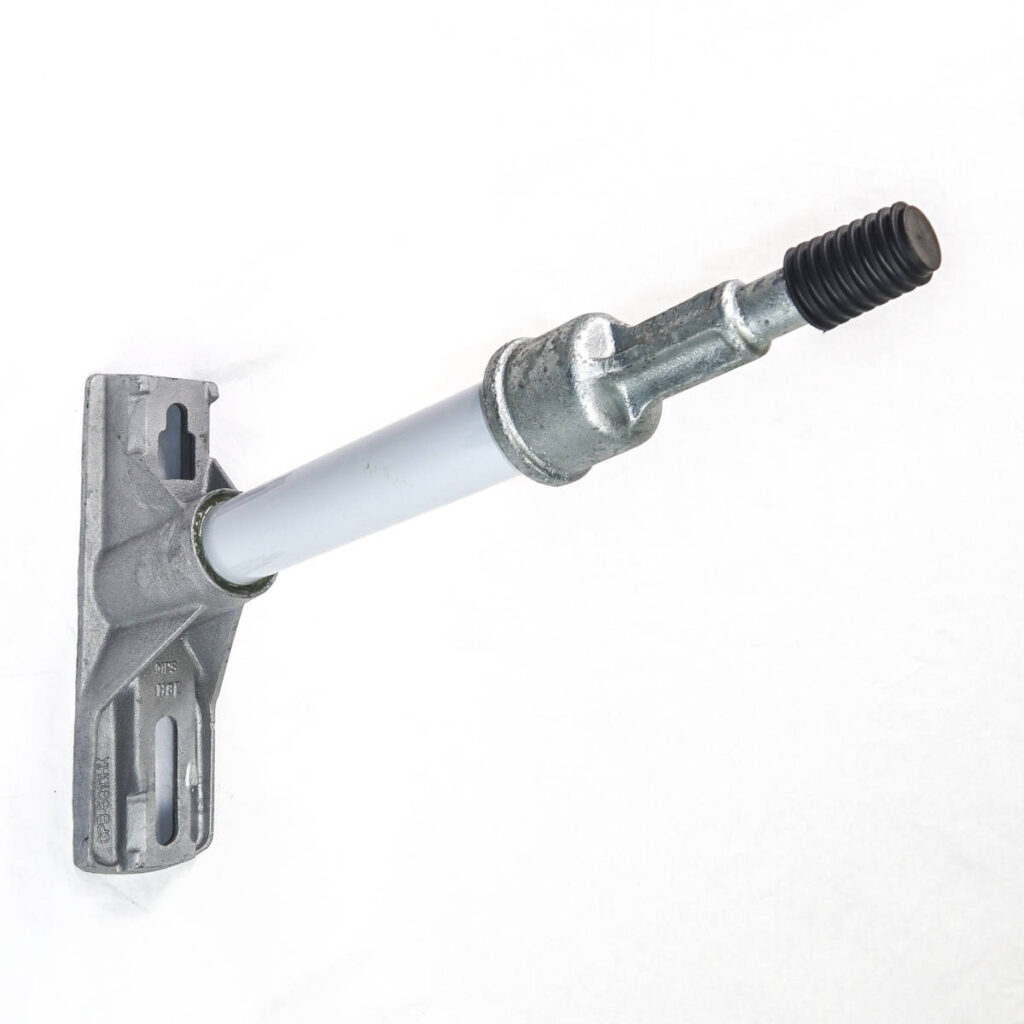
Fiberglass Secondary Connector or Sectionalizer, Length 18.8 in
A fiberglass secondary connector is a high-strength, corrosion-resistant component engineered for securing and insulating secondary conductors in distribution power networks. Built from reinforced fiberglass composite, it delivers reliable mechanical support and electrical isolation in harsh outdoor environments. Its lightweight profile simplifies installation while maintaining structural integrity under mechanical stress, temperature changes and UV exposure. Ideal for overhead utility systems requiring durable, non-conductive accessories to enhance service continuity and safety.
Key Features
- Reinforced fiberglass composite construction for superior insulation and strength
- Corrosion, UV and weather-resistant surface for extended service life
- Lightweight design for efficient handling and installation
- High dielectric performance to prevent electrical faults and leakage
- Mechanical stability under dynamic load and vibration conditions
- Compatible with standard secondary conductor configurations
- Low maintenance and long-term durability for field applications
The working principle of the fiberglass secondary connector
The secondary connector works by mechanically securing and insulating secondary conductors on overhead distribution poles. They ensure safe and stable power flow to consumers. The connector provides a strong, non-conductive anchoring point that keeps wires positioned correctly without allowing electrical current to travel through the hardware. Fiberglass secondary connectors clamps the secondary wires to the pole structure. Its fiberglass body absorbs tension and vibration to keep the conductors stable. It also prevents accidental electrical transfer to the pole hardware or nearby components. This reduces fault risks, flashovers, and accidental energization of grounded structures. Fiberglass secondary connectors maintain precise spacing between secondary conductors and prevent wires from crossing, rubbing, or sagging into unsafe positions. Proper spacing improves conductor performance and protects against arcing. UV-resistant and withstands corrosion, moisture, and chemical exposure. The connector maintains its structural and insulating properties over the long service life.
Key components of the overhead secondary connectors
A fiberglass secondary connector consists of several components engineered to work together to support and insulate secondary distribution lines. The components help deliver reliable electrical insulation, strong mechanical support, and long-term resistance to weather stresses. Their design keeps the secondary lines spaced, supported, and safe. These components include:
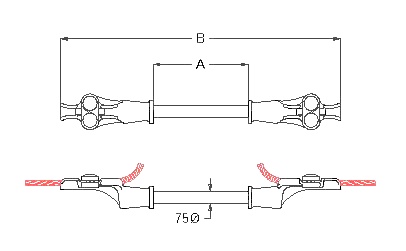
- Fiberglass body—this is the main structure made of fiberglass-reinforced polymer. It provides the connector’s mechanical strength and electrical insulation. It keeps the wires secure without energizing the supporting hardware.
- Clamping—this may be a clamp, tie slot, or molded groove system depending on the design. It grips the secondary conductors to prevent movement from vibration, temperature changes, or wind loading.
- Hardware fasteners—some conductors use stainless steel or galvanized bolts, washers, or screws to lock the conductor in place. The fasteners resist corrosion and maintain a strong mechanical hold.
- Protective resin coating—the fiberglass surface includes resin treatment for UV protection, abrasion resistance, and moisture sealing. The coating helps the fiberglass secondary connectors withstand harsh outdoor conditions without degradation.
- Conductor support—the connector has integrated channels that guide the wire into the correct position. It maintains proper spacing and alignment with other conductors. This ensures consistent electrical clearance and prevents conductor wear.
- Mounting interface—most connectors include drilled mounting points that attach to the poles, brackets, or messenger wires. The section secures installation of overhead structures while isolating the conductor from the support hardware.
Common types of fiberglass utility components
Pole-mounted fiberglass secondary connectors
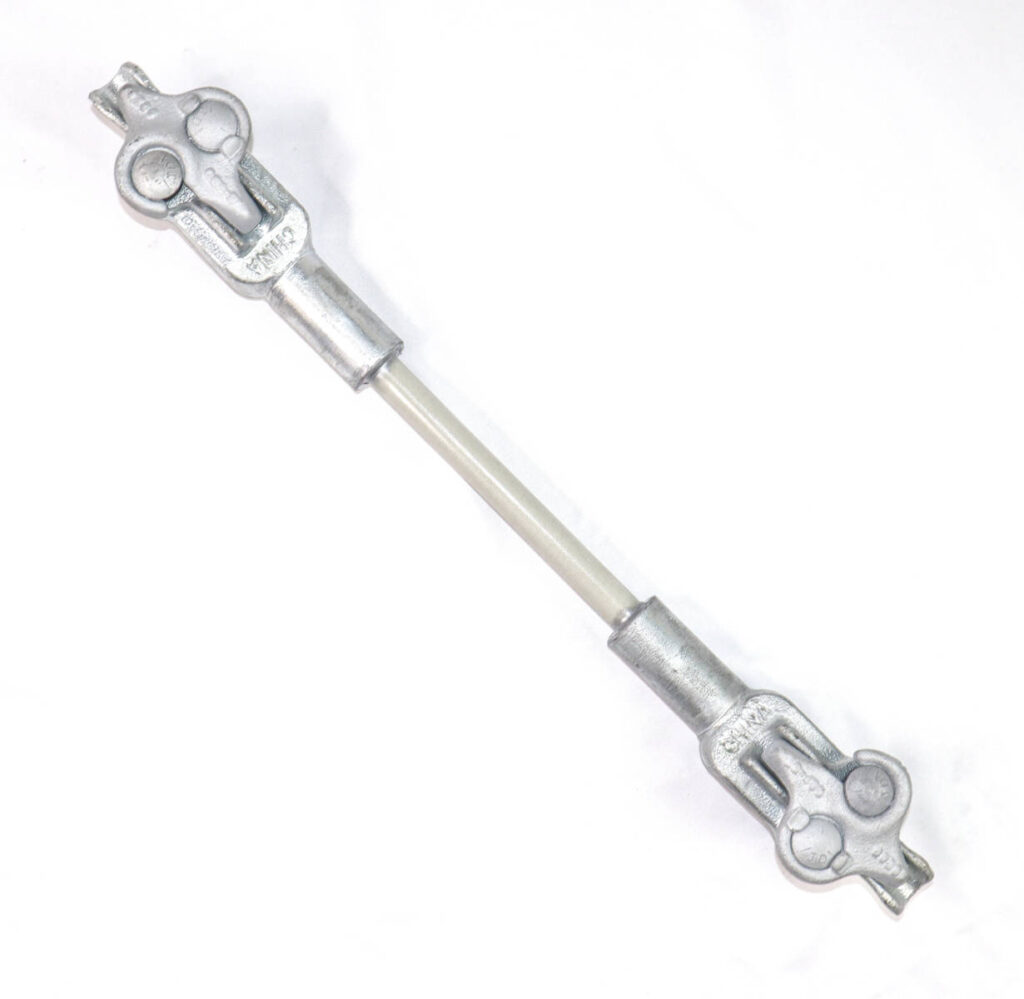
These connectors mount directly to the utility pole and support and separate secondary wires. They also keep the wires insulated from the pole hardware. Fiberglass secondary connectors are ideal for simple secondary drops and standard pole distribution layouts.
Messenger-mounted fiberglass secondary connector
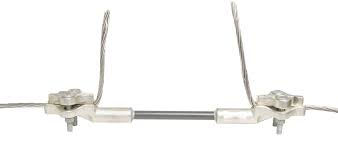
This connector attaches to the messenger cable and holds conductors in place while maintaining spacing. They are common in dense urban and suburban networks with aerial bundled systems or cable spans between poles.
Multi-conductor fiberglass connectors
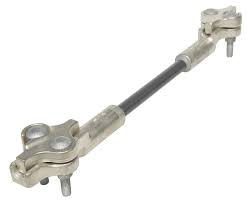
These connectors are designed to hold two or more secondary conductors at once. They maintain precise wire spacing and align many circuits on one fixture. This improves organization and reduces installation time.
Single conductor connectors
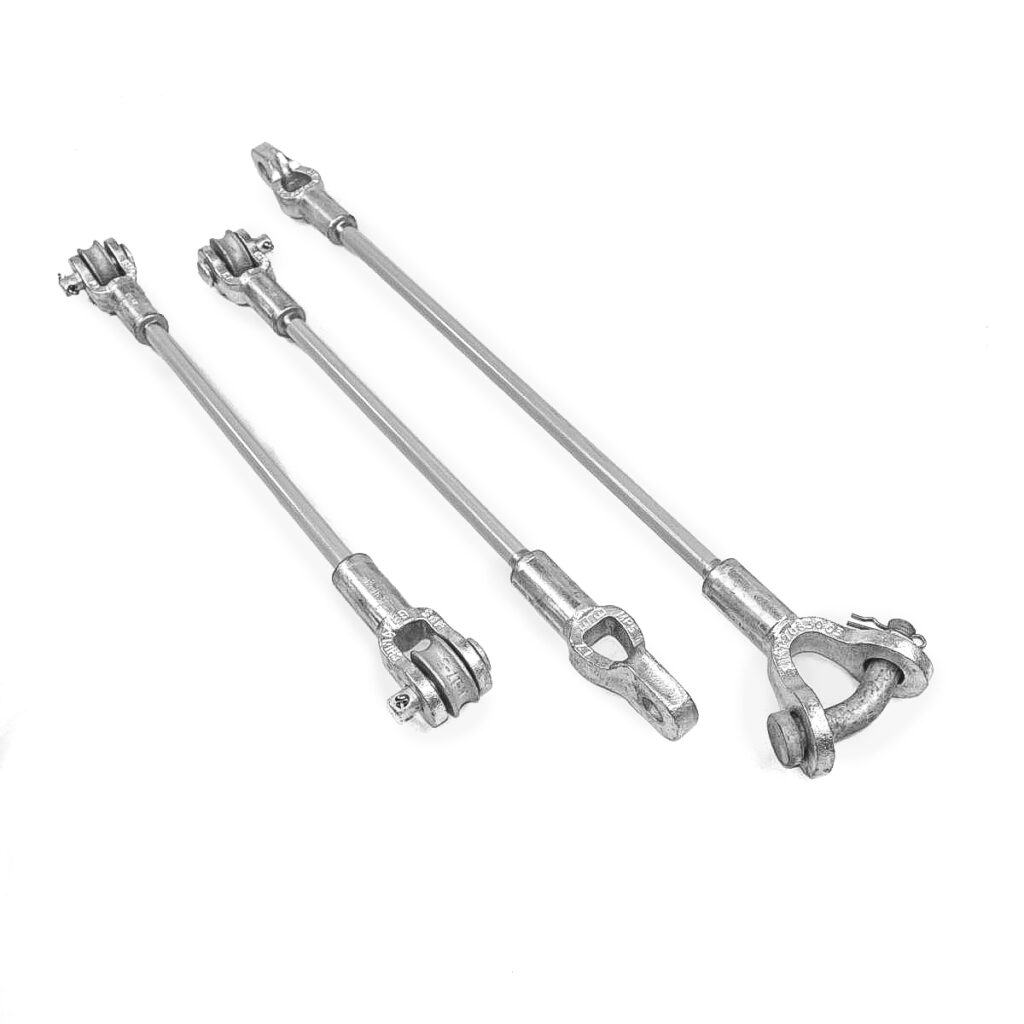
These function in conductor positioning or where circuits need isolation. They are ideal in customized layouts or maintenance situations where individual line control matters.
Fiberglass secondary dead-end connector
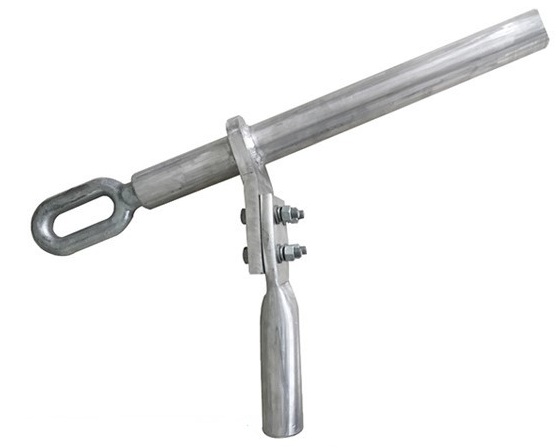
This supports and terminates conductors at the end of a life span. They are built for higher tension to anchor conductors without transferring electrical energy to the structure.
Fiberglass tap connector
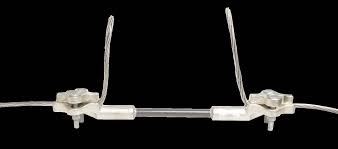
These connectors support branch connections from the main secondary run. They help utilities tap power to service drops without compromising safety.
Technical specifications for fiberglass secondary connectors
Technical specifications for fiberglass secondary connectors focus on insulation strength, mechanical durability, and long-term outdoor performance. The specifications guide utility engineers when selecting hardware that can handle real-world distribution demands. The key specifications are as detailed below.
- Material composition—core materials include a fiberglass-reinforced polymer core, a UV-stabilized resin system for outdoor exposure, and a non-conductive and corrosion-resistant composite build. The structure delivers high dielectric and mechanical performance without metal fatigue or rust.
- Electrical insulation ratings—the connectors have high dielectric strength to prevent flashovers. They also have the ability to withstand contact with energized secondary conductors. High-quality connectors stop stray current and reduce fault probability.
- Mechanical strength—the connectors have high tensile strength suitable for supporting secondary spans. Their load ratings match standard secondary conductor sizes. Strength is crucial for distribution lines that experience thermal expansion, wind sway, and ice loading.
- Conductor compatibility—the connector fits common utility secondary conductor sizes such as 6 AWG to 2/0 AWG aluminum. A secure fit prevents premature conductor wear and misalignment.
- Temperature tolerance—the fiberglass secondary connector is designed to operate from -40°C to +90°C or higher. The connector offers stable performance during thermal cycling, which ensures reliability through extreme weather shifts.
- UV and environmental resistance—the connectors are UV-resistant and moisture and salt-air resistant. They are also resistant to industrial pollutants and chemicals.
- Mounting and installation specifications—the connectors have standard mounting holes compatible with pole brackets, messenger wires, or transformer hardware.
Uses and applications of overhead secondary connector
Fiberglass secondary connectors serve as support and insulation components in overhead distribution networks. They provide safety, durability, and long service life to the networks. Additionally, the connectors protect conductors, maintain proper spacing, and help utilities deliver reliable power to end users. Here are the key uses and applications of the secondary connectors.
- Supporting secondary conductors on poles—the fiberglass secondary connectors secure low-voltage distribution wires on utility poles. They keep them stable and insulated from pole structures and other hardware.
- Maintaining conductor spacing in overhead systems—the connectors hold secondary wires at fixed distances to prevent sagging, rubbing, or crossing. Proper spacing reduces the risk of arcing, line damage, and outages.
- Messenger wire distribution systems—the connectors attach to the messenger and keep each conductor aligned.
- Service drop support—secondary connectors help anchor and guide conductors where power transitions from distribution lines to service drops feeding individual buildings.
- Terminating and dead-ending secondary lines—some of the connectors function at the end of a line span to terminate and secure conductors without transferring electrical loads to grounded structures.
- Tap and branch circuits—fiberglass connectors hold branch conductors and maintain insulation integrity. This is crucial where utilities need to tap power from a main secondary line to supply a side route.
- Utility upgrades and modernization projects—the connectors support grid modernization by replacing metal components prone to corrosion and electrical grounding issues.
Following best practices for secondary connectors on overhead power lines
Following the best practices around installation and maintenance for the connectors is crucial for reliability and safety in overhead power networks. These practices help utilities reduce outages, extend equipment life, and protect line crews working around energized circuits. These practices include:
- Proper selection for conductor size and load—this includes matching connector specifications with secondary conductor gauge and tension needs.
- Proper spacing and alignment during installation—this is positioning connectors to maintain consistent conductor spacing and avoid sagging.
- Secure mounting and torque control—this is ensuring mounting bolts or clamps are tight to manufacturer-recommended torque.
- Avoid mechanical overstress—it is crucial to not force connectors onto oversized conductors during installation.
- Protection from sharp edges and metal hardware—when used alongside metal brackets, it is crucial to avoid contact points that could wear into the fiberglass surface.
- Regular inspection cycles—this includes fiberglass secondary connectors in visual line patrols and scheduled maintenance checks. This includes checking for signs of UV wear, cracking, mechanical stress, or loose conductors.
- Environmental considerations—it is crucial to use UV-resistant and corrosion-rated fiberglass models to ensure long service life.
- Adherence to grounding standards—proper grounding for surrounding hardware is crucial to ensure the pole system prevents stray voltage issues.
- Following manufacturer guidelines—it is crucial to follow recommendations for installation angles, conductor limits, and torque values.