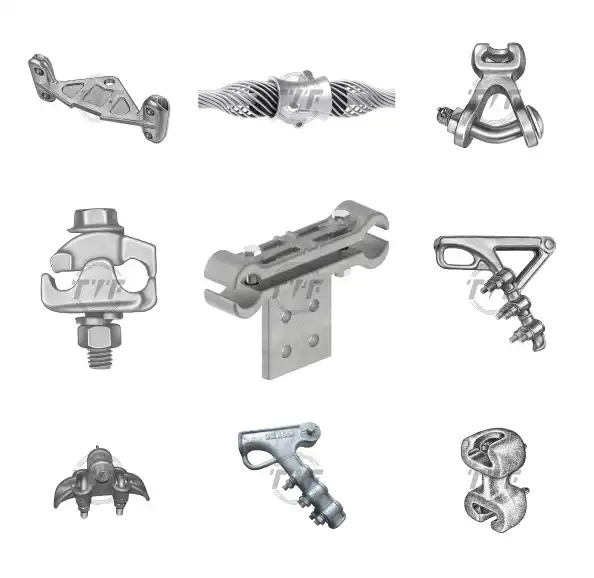
A corona ring is a metallic toroidal device installed on high-voltage equipment to control electric field distribution and suppress corona discharge. When the electric field intensity around conductors and insulators becomes uneven at sharp edges, it leads to corona discharge. The corona ring mitigates corona discharge through redistributing the electric field uniformly, reducing peak electric stress, and preventing ionization of air. By doing so, it avoids audible noise, power losses, ozone formation, and radio and TV interference. The corona ring consists of stainless steel and is installed at ends of insulator strings, bushings of transformers, terminals of gas-insulated switchgear, and high-voltage transmission line fittings. Corona rings protect insulators from surface degradation, tracking and erosion, and premature aging. They help reduce flashover risks and enhance the stability of high-voltage systems. It is crucial to enhance quality assurance for corona rings to ensure reliable electric field control in high-voltage systems.
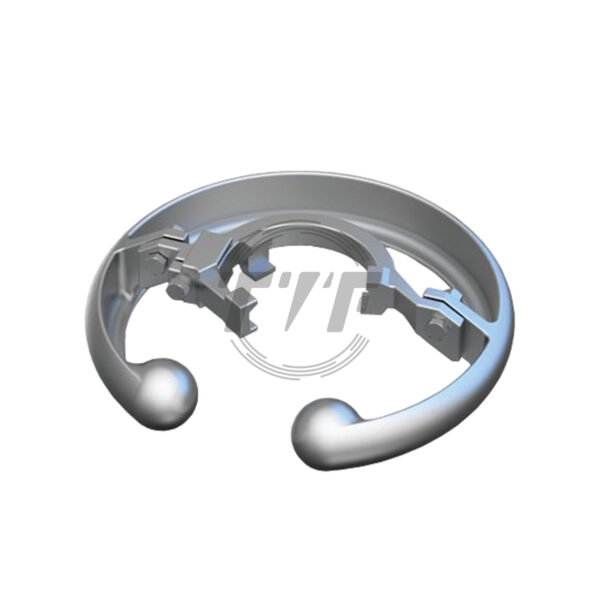
4.44 lb Corona Ring
A corona ring is a conductive grading device installed on high-voltage transmission and distribution line fittings to control electric field intensity. By equalizing voltage stress at critical connection points such as insulator strings, clamps, and terminations, the corona ring minimizes corona discharge, radio interference, and premature insulation degradation. It is an essential component for improving the reliability, efficiency, and service life of overhead power line infrastructure.
Key Features
Electric Field Control: Reduces localized electric field concentration at high-voltage points.
Corona and RIV Suppression: Minimizes corona discharge, audible noise, and radio interference voltage (RIV).
Enhanced Insulation Performance: Protects insulators and fittings from surface erosion and aging.
High-Conductivity Materials: Typically manufactured from aluminum or aluminum alloy for optimal performance and corrosion resistance.
Optimized Geometry: Smooth, circular profile ensures uniform voltage distribution.
HV and EHV Compatibility: Suitable for high-voltage and extra-high-voltage transmission lines.
Long Service Life: Designed for outdoor exposure, mechanical stability, and minimal maintenance.
Importance of conducting quality assurance for corona rings used in power networks
Enhancing quality assurance for corona rings influences electric field control, insulation integrity, and system reliability. Corona rings are designed to suppress corona discharge by distributing electric stress. Conducting quality assurance ensures the ring’s smooth curvature and correct diameter are manufactured within tight tolerances. It helps prevent surface irregularities, weld defects, or dimensional deviations that can create localized high field activity. Quality assurance confirms the use of corrosion-resistant alloys to ensure the ring can withstand environmental exposure. Poor material quality leads to oxidation or pitting, which increases surface roughness and compromises performance. Proper material selection ensures the corona ring withstands wind loads, vibration, and mechanical stresses from conductor movement. The QA process includes high-voltage testing and field simulation validation to confirm the corona ring reduces electric field intensity. Additionally, QA ensures compliance with international specifications that ensure interoperability, durability, and reduced maintenance costs across transmission and substation infrastructure.
The role of quality assurance during corona ring manufacturing
Conducting quality assurance during corona ring manufacturing ensures the ring can manage electric field stress and suppress corona discharge in high-voltage environments. QA during manufacturing prevents defects, ensures consistent performance, and reduces the probability of premature failure in service. Here are the roles of QA during corona ring manufacturing.
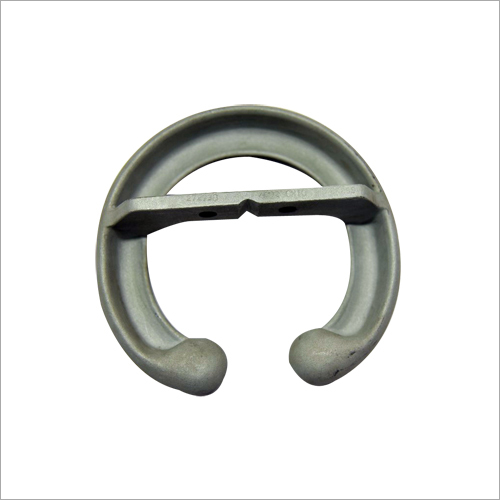
- Raw material validation – QA begins with verifying aluminum or alloy grades for conductivity, corrosion resistance, and mechanical strength. It includes chemical composition and hardness tests to prevent substandard materials that could degrade in service.
- Dimensional and geometric control – QA ensures tight tolerances on diameter, roundness, and cross-sectional uniformity. It prevents deviations that can create localized electric field intensification that undermines performance.
- Surface finishing and defect elimination – the QA process ensures polishing, anodizing, or coating processes that end sharp edges, burrs, and weld spatter. Corona rings undergo non-destructive testing that identifies micro-cracks or discontinuities that could start corona.
- Welding and joint integrity – the process verifies weld quality through visual inspection and mechanical testing. This is crucial because poor welds introduce structural weakness and electrical irregularities.
- Mechanical performance testing – this includes load and vibration tests that confirm the ring can withstand installation stresses and wind-induced oscillations.
- Electrical performance validation—QA includes high-voltage and corona inception tests to confirm the ring can redistribute electric fields and reduce discharge under operational conditions.
Quality failures facing corona rings used in power networks
Quality failures in corona rings are mostly from deficiencies in material selection, fabrication processes, and surface finishing. These failures compromise the rings’ ability to control electric stress and suppress corona discharge. Quality failures lead to increased maintenance, reduced equipment lifespan, and higher risk of insulation breakdown in high-voltage networks. Here are the common quality failures facing corona rings.
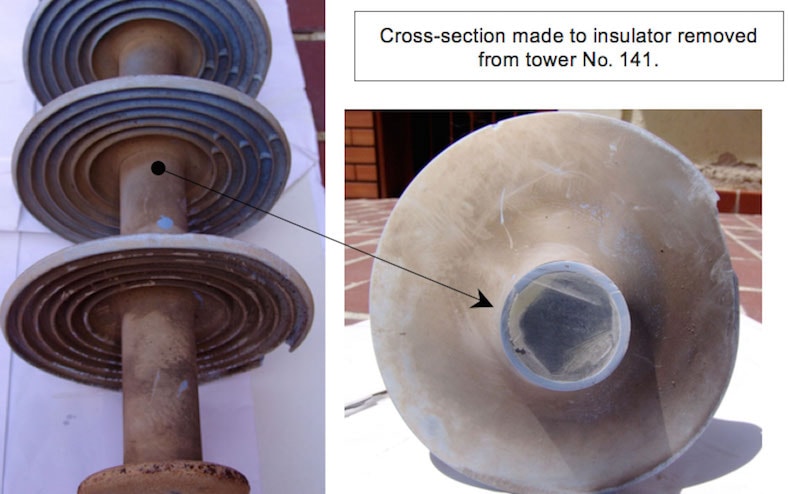
- Welding defects – these defects weaken structural integrity and introduce discontinuities that intensify field stress. These defects include cracks, porosity, or uneven joints.
- Dimensional inaccuracies—these include incorrect diameter, ovality, or inconsistent cross-sections that disrupt electric field distribution. Deviations from design specifications can also reduce corona suppression effectiveness.
- Substandard material quality—this arises from the use of low-grade aluminum or contaminated alloys. This leads to corrosion, oxidation, and reduced conductivity. After some time, this increases surface roughness and promotes discharge activity.
- Coating and finishing failures – this arises from improper anodizing or peeling of protective coatings. This exposes the base metal to corrosion and alters surface conditions.
- Mechanical weaknesses – insufficient mechanical strength can cause deformation, vibration fatigue, or detachment during service.
- Inadequate testing and inspection – conducting non-destructive testing prevents premature failures or performance degradation.
- Surface roughness – this arises from poor polishing, burrs, or sharp edges on the ring surface. They create localized high electric field regions, causing corona discharge.
Materials for corona rings and how quality assurance protects them
Corona rings should be from materials with high electrical conductivity, corrosion resistance, low weight, and stable surface characteristics under high electric stress. Quality assurance ensures the materials maintain their intended properties throughout fabrication and service. QA does this through material verification, surface control, mechanical validation, and environmental testing. This helps ensure reliability and stable operation in high-voltage power systems. Here are the common materials for corona rings and how QA protects them.
Aluminum and aluminum alloys
These materials offer high conductivity, low weight, and good corrosion resistance. The materials may face impurities, surface oxidation and pitting, and poor weldability. QA offers chemical composition analysis, surface inspection, corrosion testing, and weld quality checks to ensure a smooth finish.
Stainless steel
This is less common and applied in aggressive environments that need higher corrosion resistance. Stainless steel has reduced conductivity compared to aluminum, surface contamination, and stress corrosion cracking. The QA process verifies steel grade for corrosion resistance and offers surface treatment validation, non-destructive testing, and mechanical and fatigue testing.
Galvanized steel
This is crucial for mounting brackets or support structures. The components may face zinc coating defects, corrosion exposure, and added weight that affects mechanical stability. QA measures include coating thickness measurement, adhesion and flaking tests, visual inspection for base metal, and environmental durability testing.
Composite-coated metals
This serves in aluminum or steel with specialized coatings for enhanced environmental resistance. They may experience coating delamination, UV degradation, and inconsistent coating thickness. Quality assurance ensures coating uniformity, offers UV and weathering simulations, and performs adhesion and impact resistance tests.
Fasteners and connectors
This includes bolts, clamps, and fittings used to secure corona rings to power networks. They may face galvanic corrosion between dissimilar metals and mechanical failure under load. QA offers compatibility checks to prevent electrochemical reactions, torque and load testing, and protective coating verification.
TTF-certified corona rings. Why we certify:
TTF’s approach to power line hardware services results in optimal product quality, strict adherence to custom design, and reduced cost. We are constantly checking manufacturing processes, addressing material concerns, and improving staff expertise to ensure the best quality product. Our quality control for the corona rings begins with the first batch of samples that you received from us. And this continues through all production phases, where our QC staff never stop looking for opportunities to improve product quality. We offer:
- Tolerance Analysis
- Tooling Life Analysis
- Rockwell Hardness Testing per ASTM E18
- Brinell Hardness Testing per ASTM E10
- Magnetic Particle Testing per ASTM E1444
- CMM (Coordinate Measuring Machine) Testing
- 24″ Optical Comparator for Complex Measurements
- Tensile/proof load testing up to 160,000 lbs (700 kN)
- Hot Dip Galvanizing Plating Thickness per ASTM E376
- Torque Testing
- Roughness Testing
- Lifetime Sample Retention
- Dimensional Testing
- Mechanical Testing
Benefits of using corona rings in power networks
Corona rings provide performance and reliability benefits in high-voltage power networks. They control electric field distribution and suppress corona discharge. Corona rings in power networks enhance efficiency, protect insulation systems, reduce interference, and ensure operational stability across transmission and substation infrastructure. Here are the benefits of using corona rings in power networks.
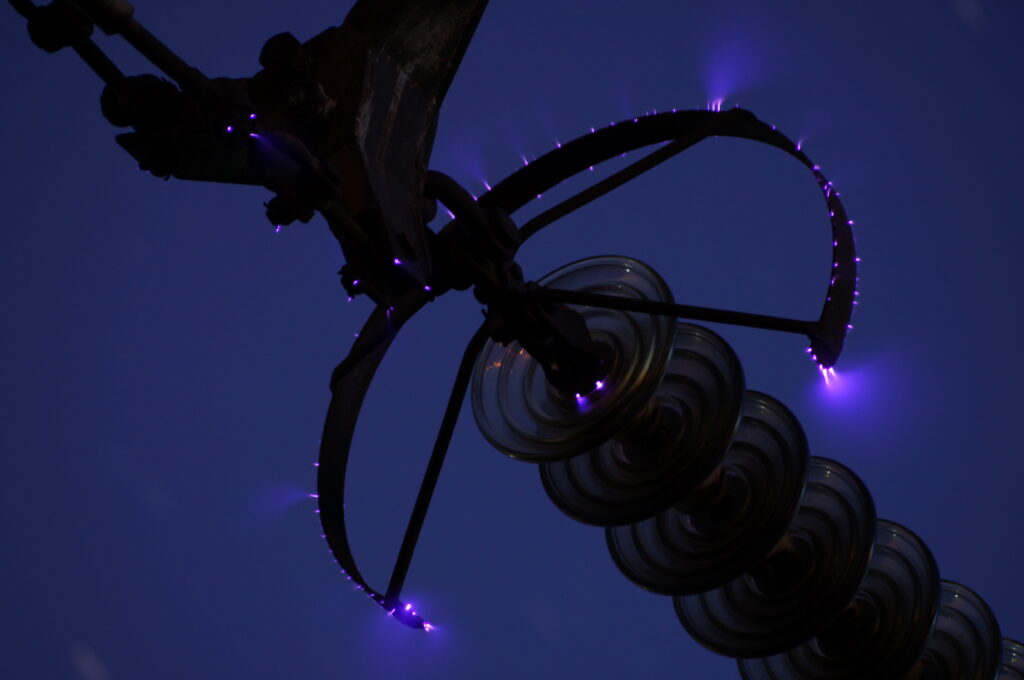
- Electric field control – corona rings redistribute electric stress around conductors and insulators. They reduce high-field concentrations at sharp edges. Corona rings also ensure uniform voltage gradients and stable electrical performance.
- Reduction of corona losses – corona rings reduce power losses that occur as energy dissipates in the form of light, heat, and sound.
- Mitigation of electrical noise and interference—corona discharge generates audible noise and electromagnetic interference. Corona rings reduce disturbances to improve system compatibility with nearby infrastructure.
- Enhanced insulation lifespan – corona rings protect insulators from degradation mechanisms such as tracking, erosion, and chemical attack. They extend the service life and reduce replacement frequency.
- Improved system reliability – corona rings reduce the risk of flashover and insulation failure under high-voltage conditions. This contributes to fewer outages and stable grid operation.
- Support for EHV and UHV transmission – corona rings enable safe and efficient operation at higher voltages.
In conclusion,
Corona rings in power networks control electric field distribution and suppress corona discharge. Their performance depends on proper material selection, precise manufacturing, and stringent quality assurance. Quality assurance ensures surface smoothness, dimensional accuracy, and structural integrity. This prevents failures such as electrical losses, insulation degradation, and mechanical weaknesses. Corona rings enhance system reliability, reduce maintenance costs, and extend equipment lifespan. Therefore, quality assurance and material control are essential to ensure efficient, safe operation of power transmission and substation infrastructure in modern electrical networks.