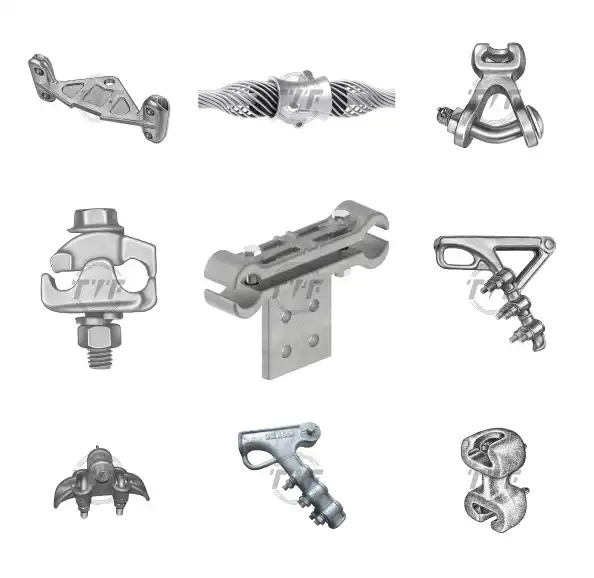
A B-strand connector is a compression-type connector used to join conductors in overhead power systems. It has a cylindrical shape and crimps onto the ends of conductors to create a secure mechanical and electrical bond. The connectors work with aluminum or copper conductors such as ACSR, AAAC, and bare copper strands. B-strand connectors ensure the integrity, durability, and efficiency of power lines. The strand connector provides a reliable mechanical and electrical connection. This is crucial to ensure optimal conductivity and long-term performance under various conditions. The connector joins two conductor ends together to maintain electrical continuity, ensure low resistance for efficient current flow, and hold the conductor to withstand tension and line stress. It is also designed to perform under outdoor conditions like temperature changes, wind, and corrosion.
The working principle of a B-strand connector
The B strand connector operates on the principle of mechanical compression and electrical continuity. Its main function is to create a permanent, low-resistance joint between two conductors in overhead power networks. They ensure both mechanical strength and electrical reliability in the networks. The connector is a cylindrical sleeve made of high-conductivity aluminum alloy or copper. During installation, the connector is compressed using a mechanical crimping tool to deform its inner surface and embed it onto the strands of the conductor. The mechanical deformation locks the conductors in place to provide tensile strength. This helps withstand mechanical stress from wind, ice, and line tension. When compressed, the connector breaks through surface oxides on the conductor strands to create metal-to-metal contact. This ensures a low-resistance path for current flow to reduce power loss at the splice point. Once installed, the connector must endure thermal expansion and contraction without loosening.
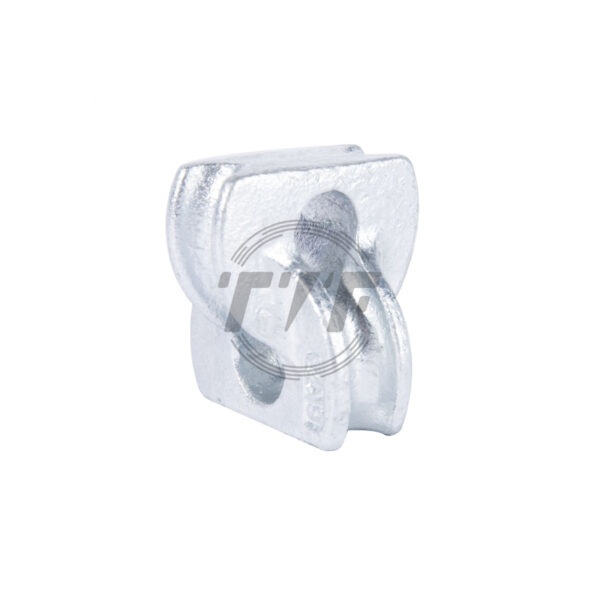
B Strand Connector
The B strand connector is a compression-type fitting designed for securely joining aluminum or copper conductors in overhead power line construction. It provides a reliable mechanical and electrical connection, ensuring optimal conductivity and long-term performance under varying environmental conditions. Engineered for ease of installation, the connector is widely used in splicing, tapping, and extending conductors in transmission and distribution networks.
Key Features:
- Material: High-strength aluminum alloy or copper for excellent conductivity.
- Design: Compression-type for strong mechanical grip and low-resistance connection.
- Compatibility: Suitable for ACSR, AAAC, and copper conductors.
- Durability: Corrosion-resistant finish for extended service life in outdoor environments.
- Performance: Ensures stable electrical continuity under load and thermal cycling.
- Installation: Simple compression process with standard crimping tools.
Significance of the B-strand connector in overhead transmission and distribution networks
Overhead power systems need reliability and efficiency that depend on the quality of conductor joints. The B-strand connector plays a crucial role in maintaining mechanical strength and electrical integrity. B strand connectors provide a low-resistance electrical path to ensure uninterrupted current flow between joined conductors. The connector’s compression design locks conductor strands in place. This provides the necessary tensile strength to withstand wind, ice, and conductor tension. B-strand connectors enhance long-term reliability of transmission and distribution systems. The connectors allow for quick splicing or extension of conductors without complex equipment. They provide ease of installation that reduces downtime during line construction, upgrades, and repairs. B strand connectors are from high-strength aluminum or copper alloys with anti-corrosive properties. This ensures stability in harsh environmental conditions.
Key features of the B-strand connector
B strand connectors provide conductivity, strength, corrosion resistance, and ease of use. This makes it a crucial component in ensuring the efficiency and reliability of overhead power networks. The key features include
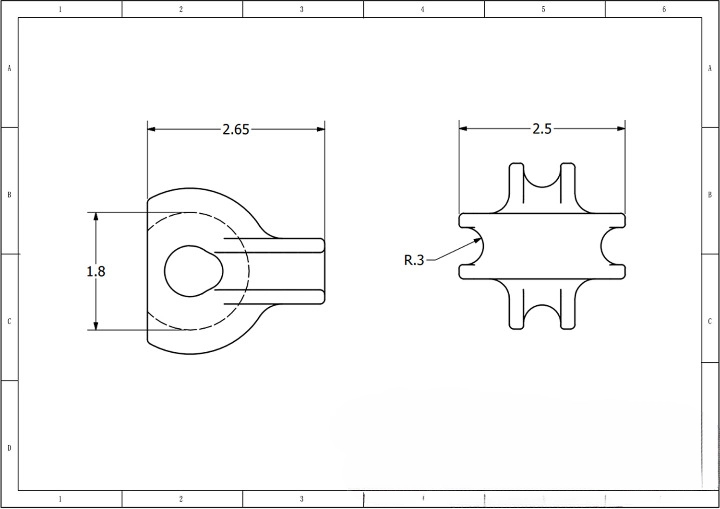
- High-conductivity materials—the connector is from aluminum alloy or copper for excellent electrical conductivity. These materials help reduce energy losses at splice points.
- Compression design—the cylindrical sleeve is engineered for hydraulic or mechanical crimping. This creates a permanent bond that ensures both mechanical strength and electrical continuity.
- Strong mechanical grip—the crimping action embeds the sleeve into the conductor strands. This prevents slippage under tension and withstands mechanical stresses.
- Low electrical resistance—compression breaks through oxide layers on conductor surfaces to establish metal-to-metal contact for a stable, low-resistance joint.
- Corrosion resistance—the connector is able to withstand harsh environmental conditions. B strand connectors are coated or pre-filled with oxide-inhibiting compounds for enhanced durability.
- Versatile compatibility—B-strand connectors are ideal for use with ACSR, AAAC, and bare copper conductors. They are also available in various sizes to match different conductor diameters.
- Thermal and load stability—the connector maintains joint integrity under load cycles and thermal contraction and expansion. This prevents hot spots and premature failure in overhead lines.
- Ease of installation—the connector installs with standard compression tools that help reduce time and effort during line construction, repair, and extension.
Types of B-strand connectors
Selection of the connectors depends on conductor material, load requirements, and environmental conditions. Selecting the right type ensures safe, efficient, and long-lasting connections.
Standard aluminum connectors
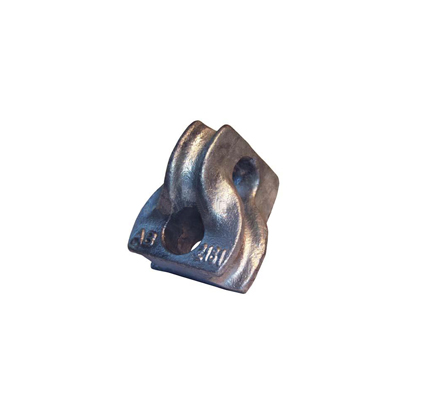
These connectors are from high-conductivity aluminum alloy designed for use with aluminum-based conductors. They serve on such as ACSR, AAAC, and AAC conductors. They are lightweight, corrosion-resistant, and widely used in overhead distribution lines.
Copper B strand connectors
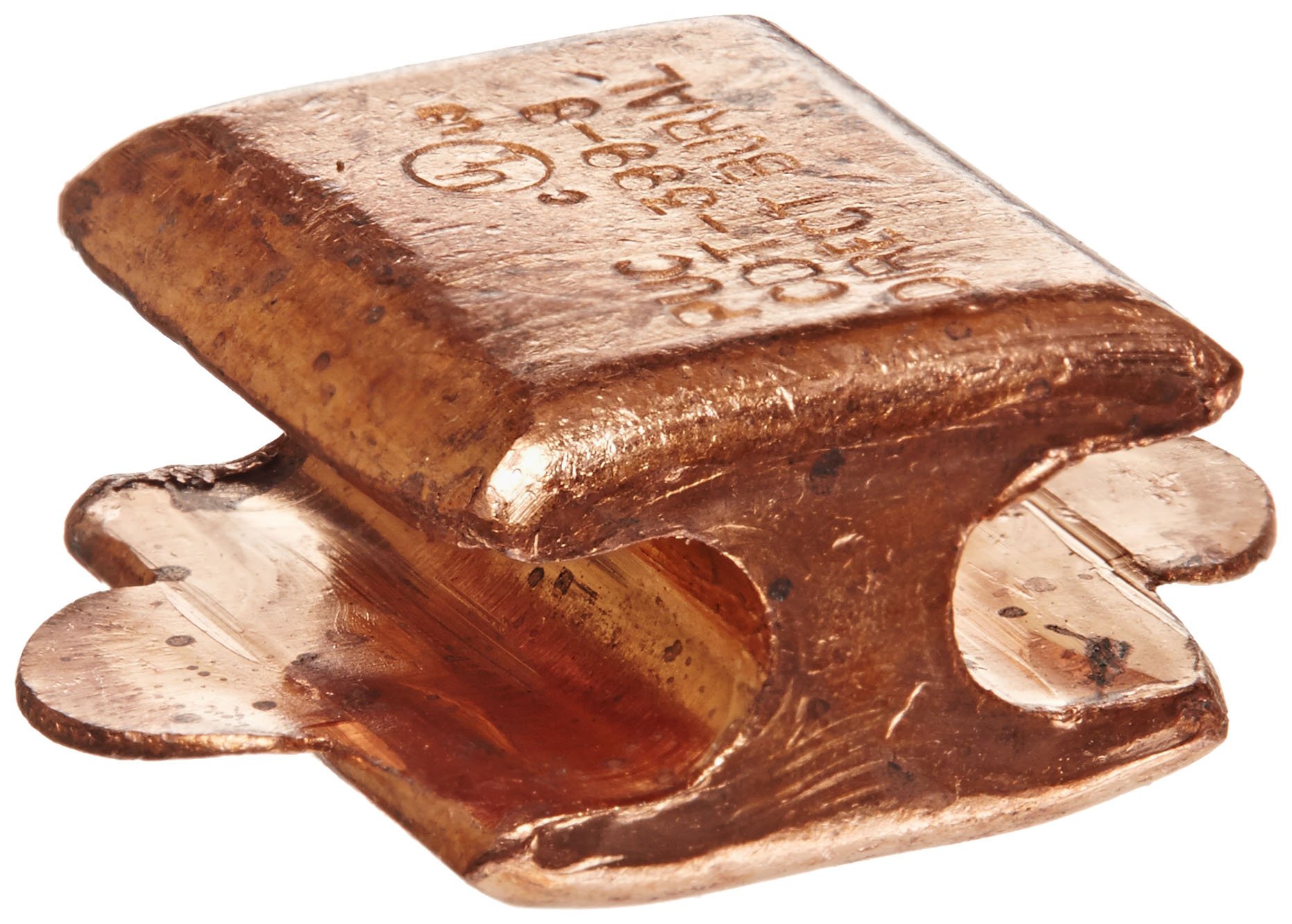
These connectors are ideal for splicing bare copper conductors in power systems. They provide excellent electrical conductivity and durability but are heavier and costlier than aluminum types.
Dead-end connector
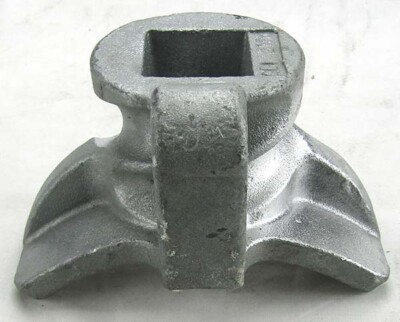
This type helps end a strand or connect it to an anchor point, forming the end of the wire. It converts the flexible strand into a rigid termination point that handles full mechanical tension.
Bi-metallic connectors
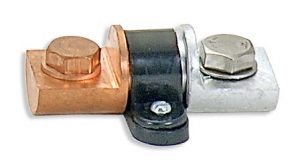
These connectors join copper to aluminum conductors. They prevent galvanic corrosion that occurs if dissimilar metals connect. The connectors feature a copper-lined barrel on one end and an aluminum barrel on the other.
Pre-drilled connectors
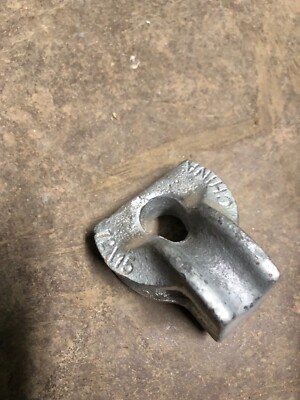
These connectors are factory-filled with oxide-inhibiting compound. They enhance conductivity by preventing oxidation at the conductor-connector interface. They are ideal in harsh or coastal environments for extra reliability.
High-tensile connectors
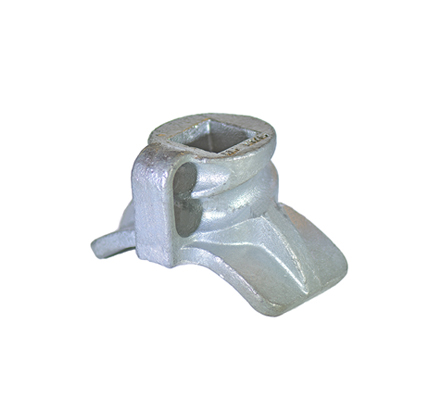
The connector has thicker walls and reinforced materials suitable for high-tension transmission lines. This makes them crucial where greater mechanical strength is necessary. This provides long service life under severe environmental and mechanical conditions.
Design and materials for the B-strand clamp
The B strand connector provides mechanical strength and electrical conductivity in power systems. Its design and materials provide durability, reliability, and ease of installation. Its cylindrical compression design and use of aluminum, copper, or bimetallic materials ensure strong, low-resistance, and corrosion-resistant joints. This combination of smart design and robust materials makes it crucial for maintaining the efficiency and reliability of overhead transmission and distribution networks. Its design and materials are as discussed below.
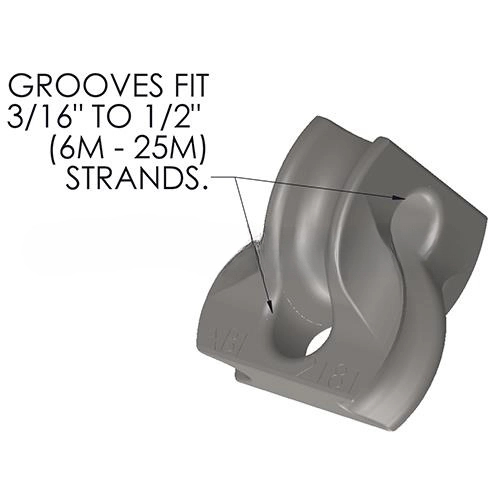
- Cylindrical sleeve structure—this is the simple tube-like body for inserting conductors at each end. Its uniform wall thickness ensures even compression and reliable bonding.
- Compression design—the connector installs by crimping with hydraulic or mechanical tools. Compression causes permanent deformation, embedding the connector into conductor strands.
- Chamfered ends—smooth entry points make conductor insertion easier and prevent strand damage.
- Oxide-inhibiting fill— some connectors are pre-filled with oxide-inhibiting compound to enhance conductivity and prevent corrosion.
- Marking and coding—the connectors are often color-coded or stamped to show conductor size compatibility and crimping die needs.
- Aluminum alloy—this is the most used material due to its lightweight nature, high conductivity, and corrosion resistance. It is suitable for ACSR, AAC, and AAAC conductors.
- Copper—copper-based connectors are crucial for splicing bare copper conductors in transmission and distribution networks. It provides electrical conductivity and long-term durability.
- Bi-metallic (copper-aluminum)—this combines a copper barrel on one end and an aluminum barrel on the other end. It safely joins copper and aluminum conductors without galvanic corrosion.
- Protective coatings—most connectors have anti-oxidation coatings or are filled with inhibitors. This allows them to withstand harsh weather and chemical exposure.
Functions of the B-strand clamps in overhead transmission and distribution networks
The B-strand connector joins conductors while maintaining both mechanical integrity and electrical performance. It combines strength, conductivity, and corrosion resistance to maintain grid reliability. Here are the functions of the B-strand connectors.
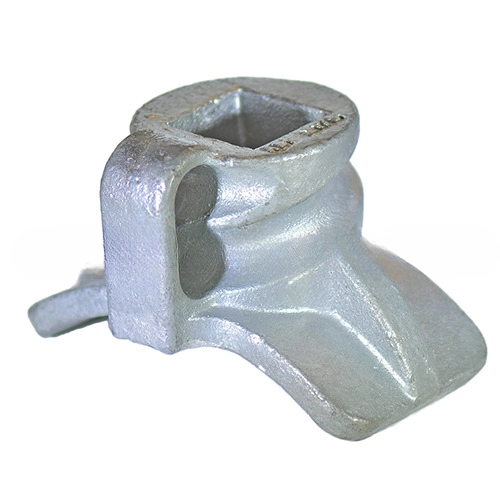
- Electrical continuity—the connector provides a low-resistance path between conductors. It does this by compressing and breaking through oxide layers on conductor surfaces. It ensures uninterrupted current flow to reduce power loss and prevent overheating at the joint. The connector maintains conductivity under varying load conditions and thermal cycles.
- Mechanical strength—the B-strand connector acts as a mechanical splice to lock conductors in place under compression. It withstands tensile forces caused by conductor sag, wind loading, and ice accumulation. It also prevents slippage or separation of conductors to preserve line stability.
- Corrosion resistance and durability—the connector protects conductor joints from environmental degradation. It safeguards the conductor joints from moisture, salt, and pollutants. It consists of aluminum alloy, copper, or bimetallic materials with corrosion resistance.
- Operational flexibility—the connector eases splicing, tapping, or extending conductors during construction, repairs, or upgrades. It enables quick restoration of service during emergency repairs by ensuring fast and secure conductor connections.
Maintaining functionality of the B-strand clamps in overhead power systems
Proper use of B-strand connectors is crucial for ensuring safe, reliable, and long-lasting performance in overhead power systems. Following best practices and manufacturer recommendations helps maintain electrical efficiency and mechanical strength of conductor holds. The measures maximize performance, reduce failures, and enhance the reliability of transmission and distribution networks. These practices include selecting the right connector type to avoid slippage, using proper tools and dies, and preparing conductor surfaces to remove dirt, oxide layers, or grease. It also includes using correct compression techniques, verifying mechanical strength, and protecting against environmental factors.
Adhering to national and international standards such as ANSI, IEC, and IEEE for compression fittings ensures their quality and durability. It is also crucial to ensure proper training of linemen and technicians to prevent accidents during installation. Additionally, following best practices reduces failures and enhances the safety, efficiency, and long-term reliability of power systems.