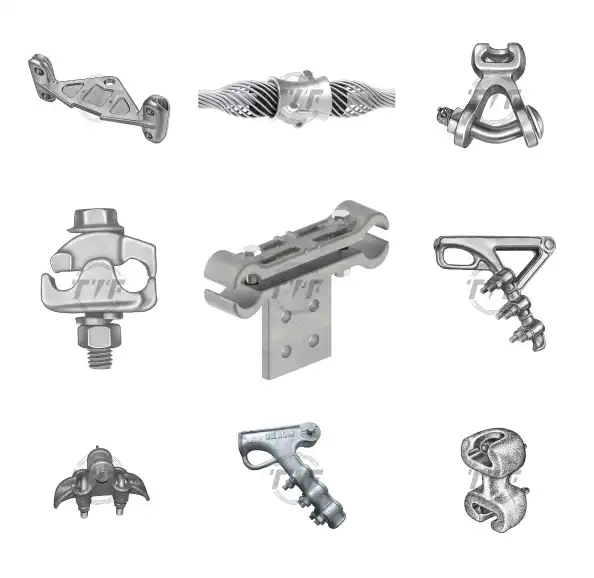
An anchor rod bonding clamp is a grounding hardware used to create electrical connections between an anchor and a grounding conductor in overhead power distribution and transmission systems. The clamp provides reliable electrical continuity, maintains mechanical contact under field conditions, and resists corrosion. It has a design that accounts for the anchor rod’s diameter, grounding conductor size, installation environment, and electrical requirements of the utility network. The bonding clamp creates a connection by gripping the anchor rod and securing the grounding conductor through a bolted connection depending on its design. Anchor rod bonding clamps maintain a low-impedance electrical path between the bonded metal components and the grounding systems. The connection helps manage fault current and lightning-related currents when the grounding system has been designed for those duties. The anchor rod bonding clamp must pass mechanical, electrical, and material inspections before shipment.

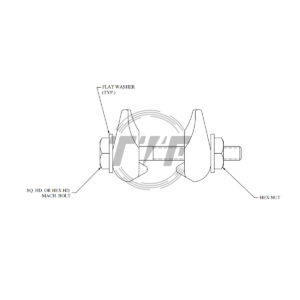


Bonding Clamp for Anchor Rod with Triple Eyes
An anchor rod bonding clamp is a grounding hardware component used in power line construction to connect a grounding conductor to an anchor rod. It provides a secure mechanical connection and helps maintain electrical continuity between bonded metallic components within the grounding system. Its design supports reliable conductor retention and long-term performance under outdoor operating conditions.
Key features:
- Secure conductor connection: Holds the grounding conductor firmly against the anchor rod.
- Electrical continuity: Provides a conductive path for bonding designated metallic components.
- Corrosion resistance: Available in suitable materials and protective finishes for outdoor exposure.
- Mechanical strength: Resists loosening and deformation under specified installation and service conditions.
- Durable construction: Designed to withstand environmental exposure in overhead power line installations.
- Installation compatibility: Designed to fit specified anchor rod and grounding conductor sizes.
- Low-maintenance performance: A properly selected and installed clamp helps reduce connection failures and maintenance needs.
Components of the anchor rod bonding clamp
An anchor rod bonding clamp consists of a metal clamping assembly that connects a grounding conductor to an anchor rod. Its structure provides mechanical pressure to maintain metal-to-metal contact and support electrical continuity within the grounding system. Main components of the clamp include:
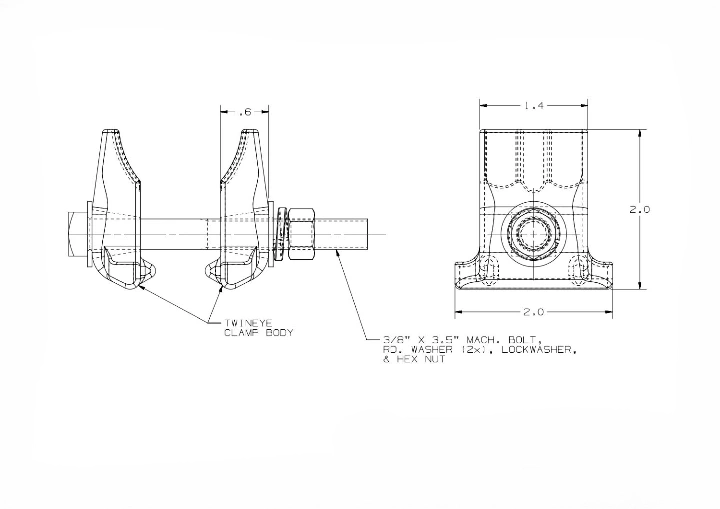
- Clamp body: the body holds the bonding clamp against the anchor rod and provides the mechanical support needed to secure the connection. The body should have mechanical strength to withstand tightening forces without cracking, deforming, or losing its grip.
- Conductor connection section: this section holds the grounding conductor and establishes electrical contact between the conductor and the clamp assembly. This section may consist of a conductor groove, terminal opening, or dedicated clamping arrangement.
- Clamping bolts: the bolts apply force to hold the assembly together. They generate pressure between the clamp body, anchor rod, and conductor connection components when tightened. They should withstand the specified installation torque without thread failure.
- Pressure plate or conductor retaining section: some anchor bonding clamp designs have a separate pressure plate. The plate presses the grounding conductor against its designated contact surface. It helps prevent conductor displacement and maintains mechanical contact after tightening.
Importance of quality assurance during the manufacture of anchor bonding clamps
Quality assurance for the anchor rod bonding clamps ensures that they meet the required material, dimensional, mechanical, and electrical specifications. It helps identify manufacturing defects such as incorrect dimensions, weak clamp bodies, poor thread quality, and inadequate corrosion protection that can compromise the connection. QA is important during manufacturing for several reasons:
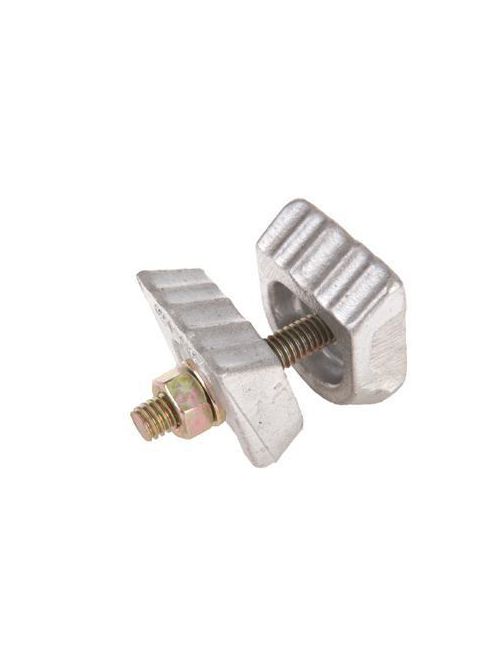
- Ensuring electrical conductivity and connection reliability: The anchor bonding clamps create an electrical connection between the anchor rod and grounding conductor. High contact resistance can cause localized heating when electrical current passes through the connection. QA verifies material quality, contact-surface condition, dimensional accuracy, and electrical test results.
- Maintaining mechanical strength and structural stability: the clamp body, bolts, nuts, and pressure plates should withstand the forces generated during installation and operation. Excessive tightening torque can damage the threads or deform the clamp body. Quality assurance verifies that the components have the required mechanical properties and that their dimensions support proper assembly.
- Improve corrosion resistance: corrosion can weaken metal components and damage the electrical contact surfaces. It increases resistance and reduces the mechanical strength of the assembly. QA verifies that the selected materials and protective coatings meet the product specifications. Manufacturers inspect coating thickness, surface coverage, and coating adhesion against the applicable specification.
- Ensuring dimensional accuracy and component compatibility: the anchor bonding clamp should fit the specified anchor rod diameter and grounding conductor size. Dimensional errors can prevent proper installation or reduce the contact area between the connected components. QA checks the dimensions of the clamp body, conductor connection section, bolt holes, and fasteners.
- Reducing manufacturing defects and production costs: quality assurance helps manufacturers identify defects before they become expensive production issues. Early detection reduces the cost of reworking or scrapping finished products. It also allows the manufacturer to maintain consistent product quality across different production batches.
Quality failure modes of anchor rod bonding clamps in power networks
Anchor rod bonding clamps provide an electrical connection between an anchor rod and a grounding conductor in overhead power distribution and transmission systems. Their performance influences the continuity and reliability of the grounding arrangement. A defective clamp develops high electrical resistance, loses its mechanical grip, corrodes, or fails to maintain a reliable bonding path. Common quality failures of the clamp include:
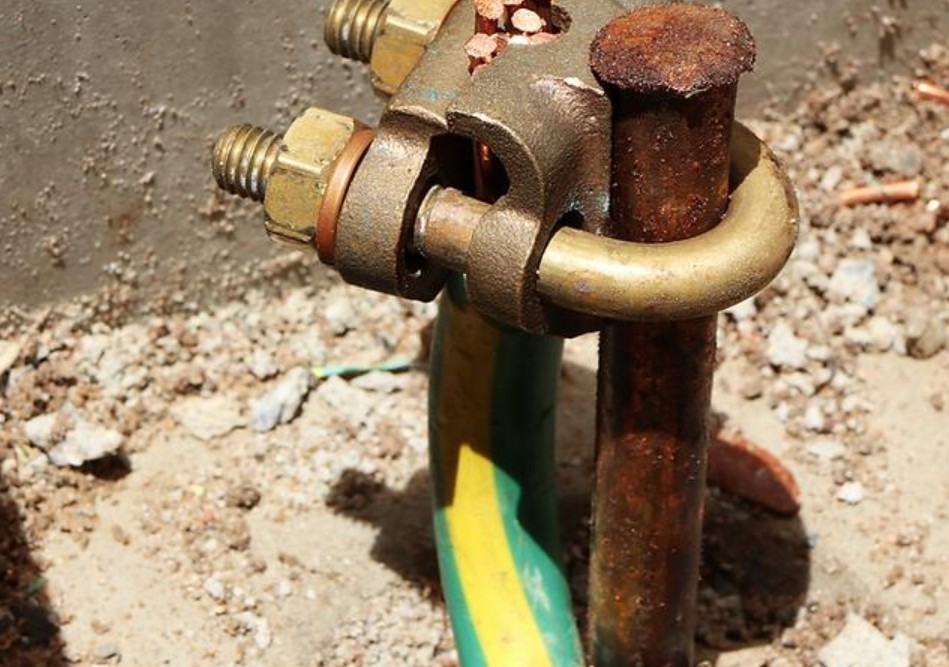
- Corrosion of the clamp body and contact surfaces: moisture, soil chemicals, salt exposure, and industrial pollutants can corrode exposed metal surfaces. Corrosion affects the clamp body, bolts, nuts, and contact interfaces. Manufacturers should verify the selected material grade, inspect coating coverage and thickness, and conduct applicable corrosion tests.
- Poor electrical contact and high resistance: an anchor rod bonding clamp maintains a stable electrical connection between the grounding conductor and anchor rod. Poor contact can develop when the clamp has rough surfaces. A failed connection does not provide the electrical continuity needed by the grounding design. Manufacturers should perform electrical tests under controlled and documented conditions.
- Mechanical deformation and cracking of the clamp: poor material quality, casting defects, and incorrect manufacturing processes can reduce its mechanical strength. Cracks on the clamp can reduce the clamp’s ability to maintain contact pressure. The deformation can compromise the mechanical stability and electrical continuity of the bonding arrangement. Manufacturers should conduct material verification, dimensional inspection, and mechanical testing.
- Incorrect dimensions and poor component fit: dimensional accuracy determines whether an anchor rod bonding clamp fits the intended anchor rod and grounding conductor. Incorrect conductor groove dimensions can affect conductor retention and electrical contact. QA personnel should use vernier calipers, micrometers, thread gauges, and other instruments to inspect the clamp body, conductor connection section, and fasteners.
Compatible fittings used with bonding clamps in power networks
Anchor rod bonding clamps serve with other grounding and mechanical fittings to establish a reliable connection between an anchor rod and the electrical grounding system. The fittings help secure the anchor assembly, connect grounding conductors, and maintain electrical continuity across the network. These fittings include:
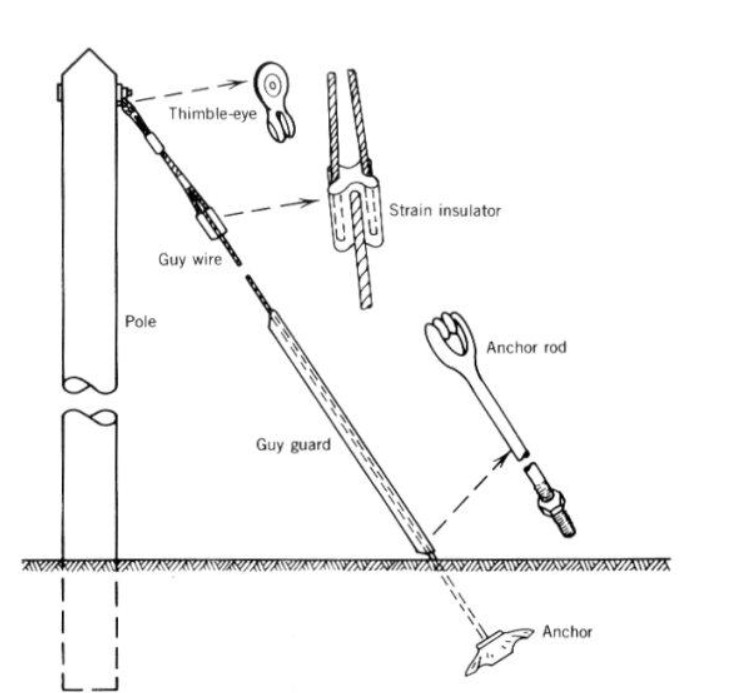
- Anchor rods: This is the metal component that provides the structural connection between the underground anchoring system and the guy wire assembly. The rods help resist the tensile forces transferred through guy wires.
- Grounding conductors: these provide the electrical path between the anchor rod and the grounding network. They connect the anchor rod bonding clamp through a designated conductor groove or terminal.
- Ground rod and grounding electrodes: ground rods provide an electrode connection to the earth in grounding systems.
- Ground rod clamps: the clamps connect grounding conductors to ground rods. It consists of a metal body, a conductor opening, and a fastening bolt.
- Bonding jumpers: a bonding jumper is a short length of conductive wire that connects two metal components. It connects the anchor rod bonding clamp to another grounding point. It maintains electrical continuity between components that need bonding.
- Compression connectors and cable lugs: these provide connections between grounding conductors and other electrical components.
- Guy wires and guy wire fittings: these wires transfer tensile loads from utility poles to ground anchors.
TTF-Certified anchor rod bonding clamps. Why choose our clamps?
TTF’s approach to power line hardware services results in optimal product quality, strict adherence to custom design, and reduced cost. We are constantly checking manufacturing processes, addressing material concerns, and improving staff expertise to ensure the best quality product. Our quality control for the anchor rod bonding clamps begins with the first batch of samples that you received from us. And this continues through all production phases, where our QC staff never stop looking for opportunities to improve product quality. We offer:

- Tolerance Analysis
- Tooling Life Analysis
- Rockwell Hardness Testing per ASTM E18
- Brinell Hardness Testing per ASTM E10
- Magnetic Particle Testing per ASTM E1444 CMM (Coordinate Measuring Machine) Testing
- 24″ Optical Comparator for Complex Measurements
- Tensile/proof load testing up to 160,000 lbs (700 kN)
- Hot Dip Galvanizing Plating Thickness per ASTM E376
- Torque Testing
- Roughness Testing
- Lifetime Sample Retention
- Dimensional Testing
Benefits of the anchor bonding clamp in power networks
Anchor rod bonding clamps create an electrical connection between an anchor rod and a grounding conductor. Anchor rods support guy assemblies that stabilize utility poles against mechanical loads. The clamp provides the connection needed to integrate the anchor rod into the pole arrangement. Here are their key benefits:
- Improves electrical continuity in grounding systems: the clamps help maintain electrical continuity and connect the anchor rod to the grounding anchor.
- Supporting electrical fault current management: a grounding system helps protective devices detect and clear electrical faults within their specified operating conditions. The bonding clamp maintains a reliable connection between the anchor rod and the grounding conductor.
- Managing lightning-related electrical currents: a grounding system provides paths for lightning-related current to disperse into the earth. The clamp helps prevent unintended electrical isolation between bonded components.
- Reducing dangerous potential differences: metallic components in electrical installation can develop different electrical potentials during fault conditions. The anchor rod bonding clamp helps connect the anchor rod to the grounding system where the design needs it.
- Providing mechanical stability to the bonding connection: the mechanical arrangement of the clamp helps prevent the grounding conductor from moving during normal operation.