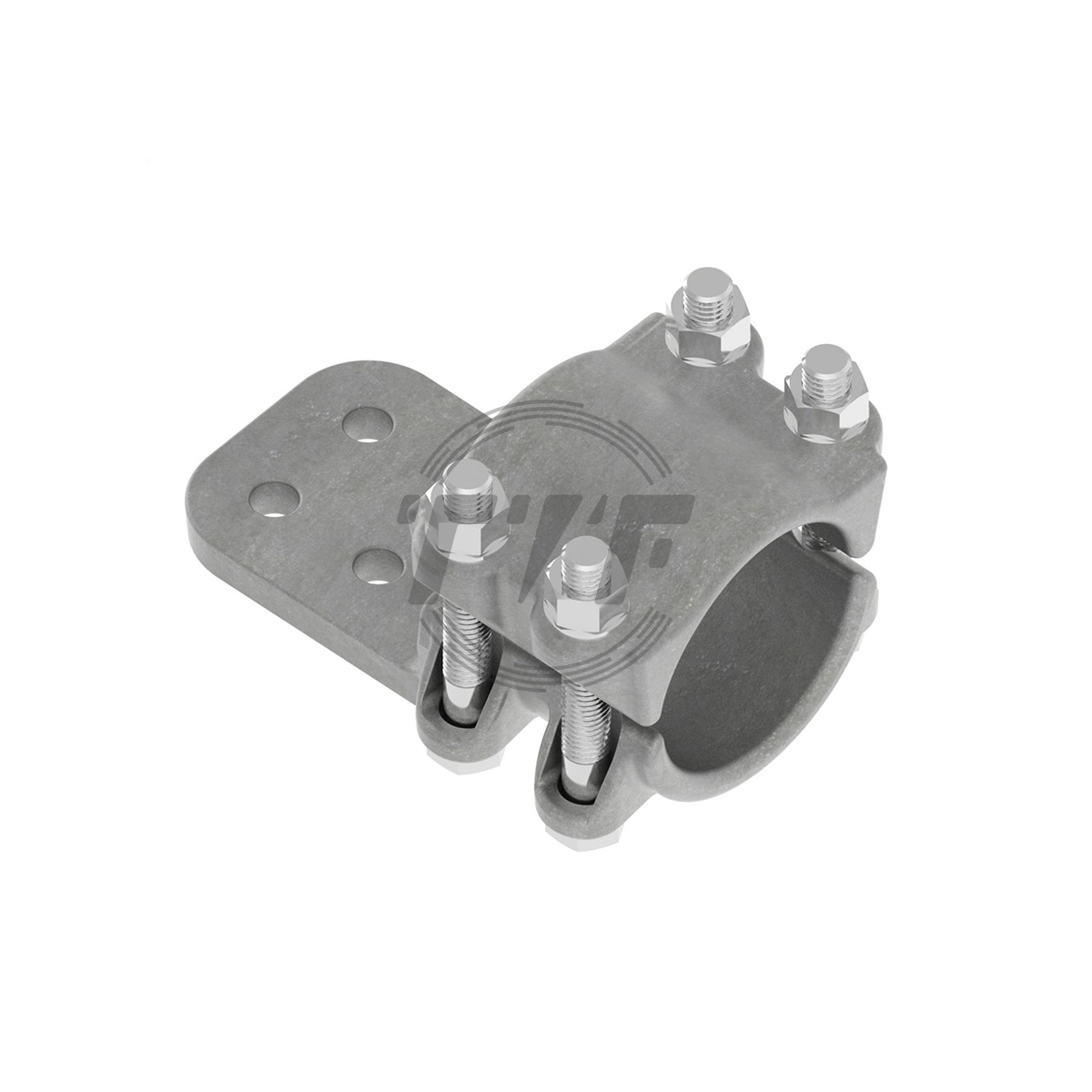
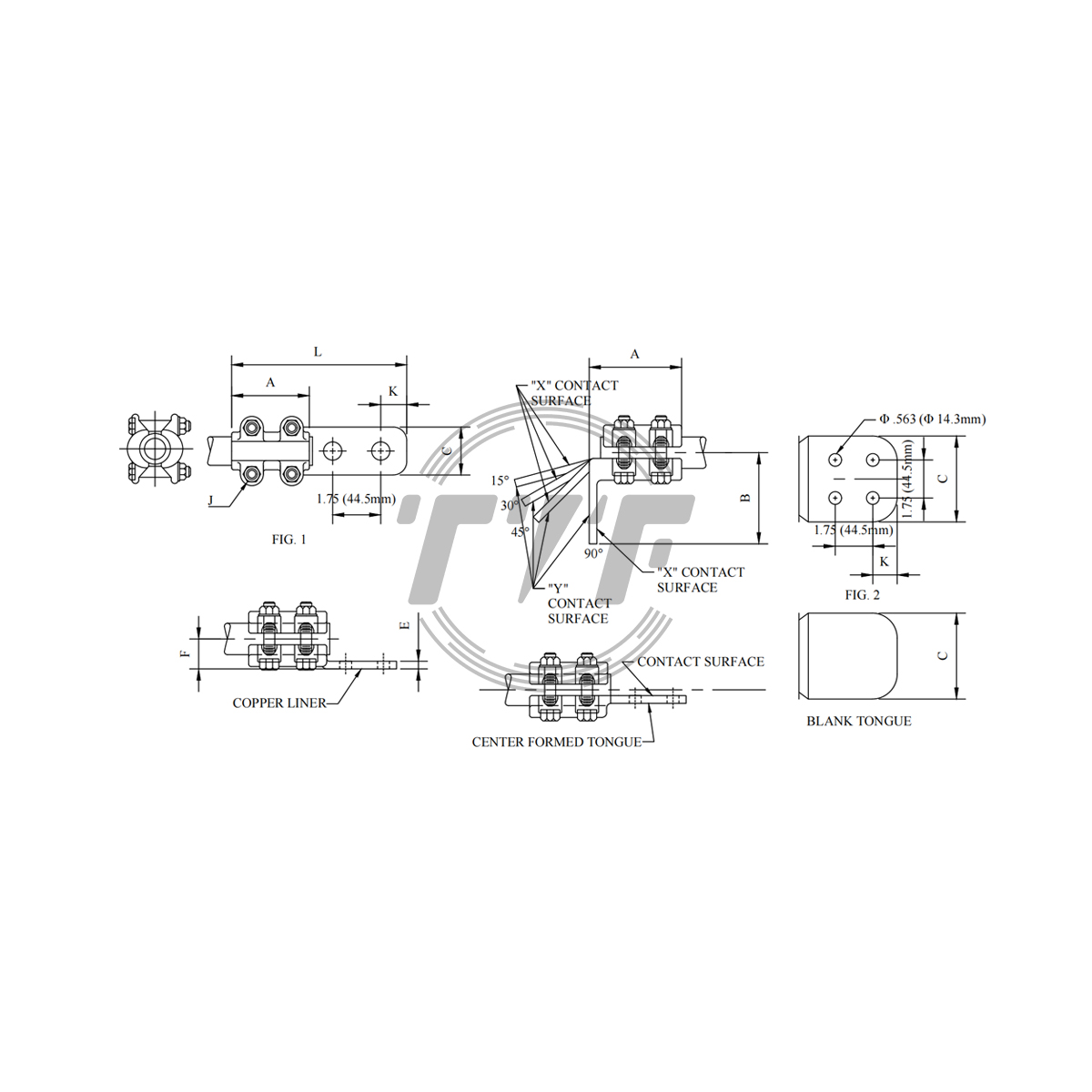
A terminal bolt is a precision-forged fastening component used in overhead transmission and distribution (T&D) infrastructure to secure conductors, lugs, connectors, grounding assemblies, and structural fittings to poles, crossarms, and substation hardware. Engineered for high mechanical load and environmental exposure, terminal bolts ensure reliable electrical continuity and structural integrity in medium- and high-voltage systems.
Manufactured to utility-grade specifications, terminal bolts are typically produced from high-tensile carbon steel or alloy steel and finished with hot-dip galvanization or mechanical zinc plating for corrosion resistance. They are designed to withstand axial tension, shear forces, and vibration loads common in power line construction.
Key Features
- High Mechanical Strength—Forged from grade 5/8 carbon or alloy steel for superior tensile and shear capacity.
- Corrosion Resistance—Hot-dip galvanized coating compliant with ASTM A153 / ISO 1461 for long-term outdoor durability.
- Precision Threading—Rolled threads for improved fatigue resistance and consistent torque performance.
- Electrical Reliability—Ensures secure conductor-to-hardware bonding to maintain low contact resistance.
- Vibration Stability—Compatible with lock washers and prevailing torque nuts to prevent loosening under wind-induced oscillation.
- Standardized Dimensions—Available in multiple diameters and lengths to meet ANSI, IEC, and utility-specific standards.
- Load-Bearing Performance—Designed to sustain dynamic loads in overhead line and substation environments.