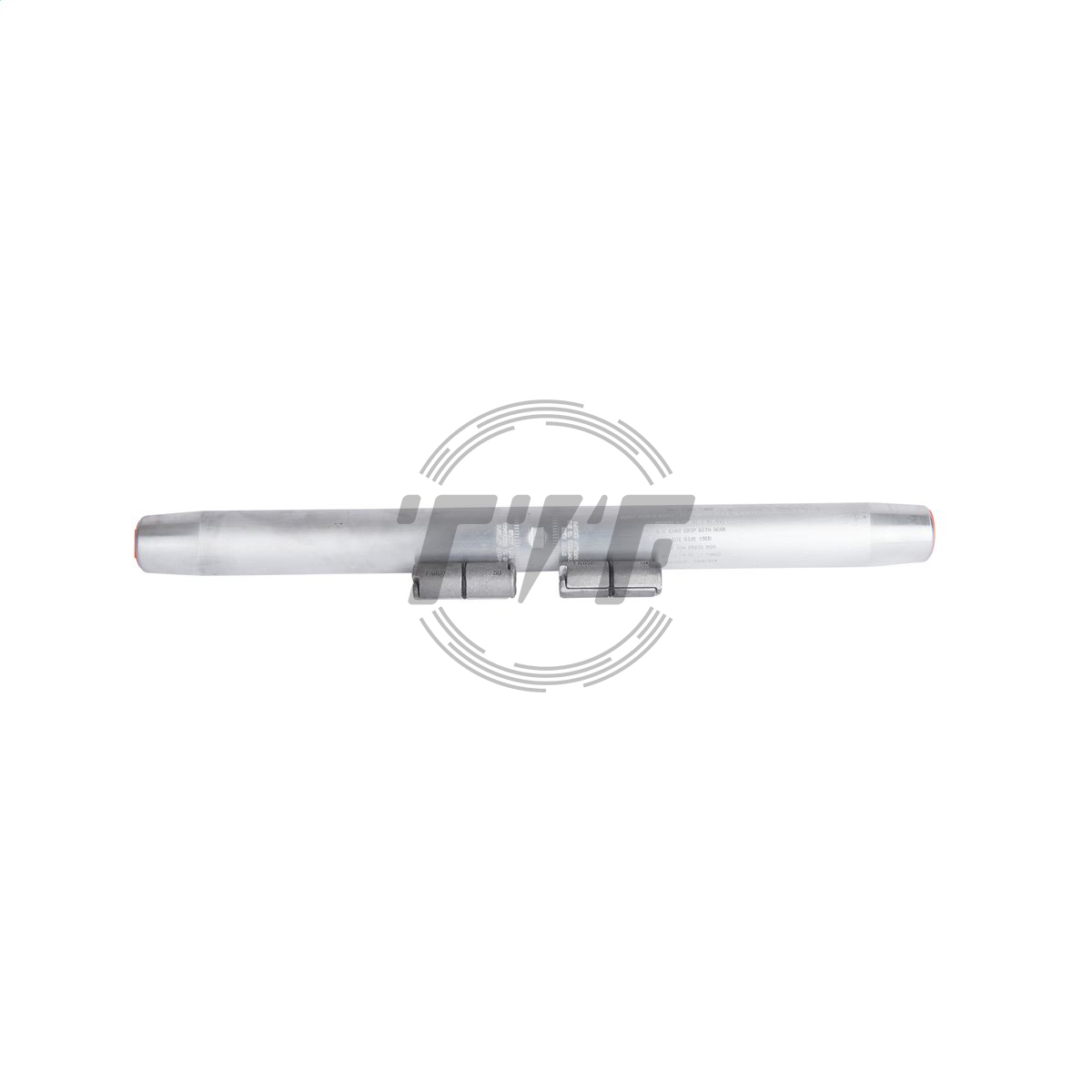
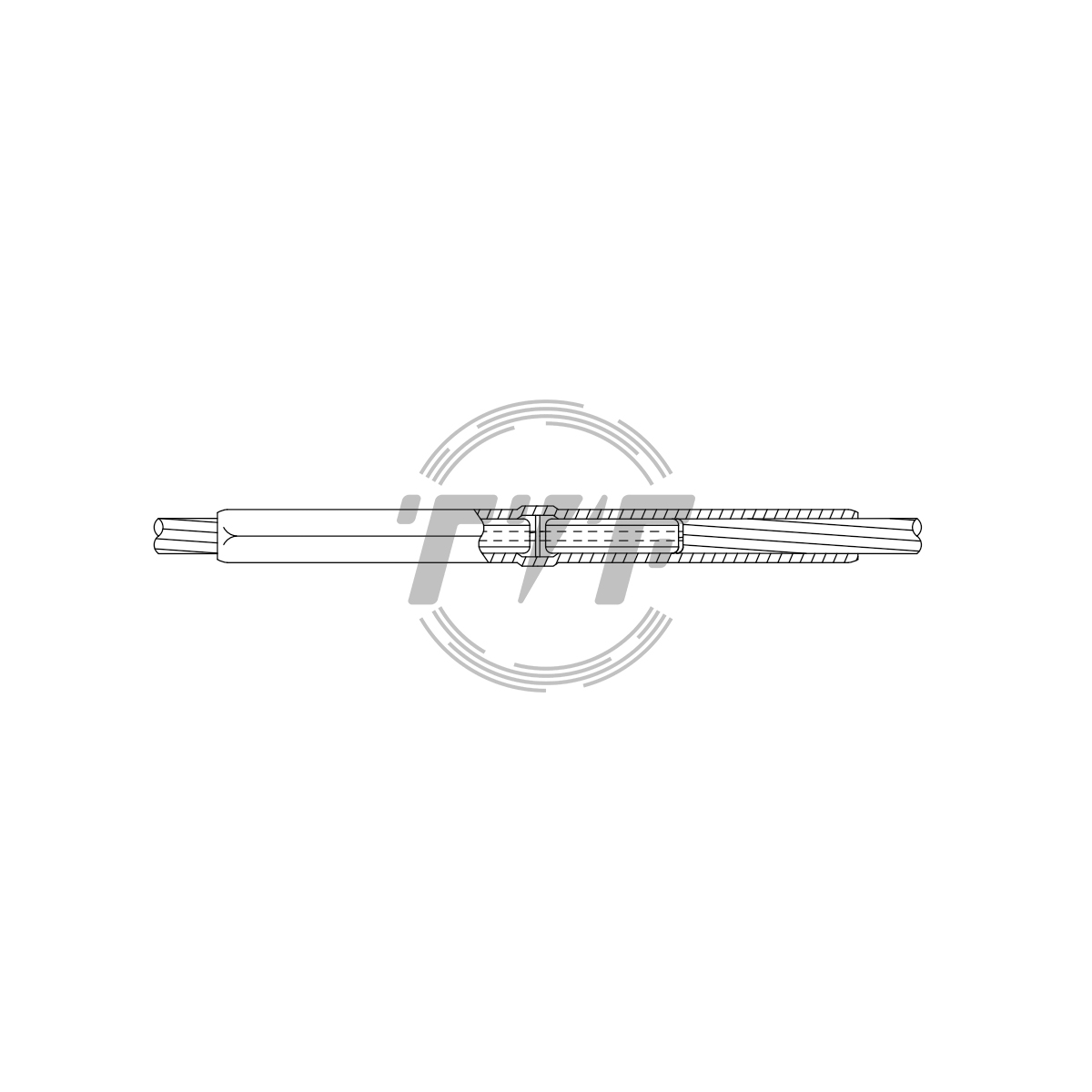
Full Tension Compression Splice
A compression splice is a high-strength electrical connector used in overhead and underground power line construction to permanently join two conductors. It operates by applying controlled mechanical compression—typically using hydraulic crimping tools—to create a low-resistance, high-integrity bond between conductor strands. This ensures efficient current transfer, mechanical continuity, and long-term reliability under varying load and environmental conditions.
Engineered for compatibility with aluminum, copper, or ACSR conductors, compression splices are widely deployed in transmission and distribution networks where joint performance is critical to system stability and safety.
Key Features
- High Conductivity Joint: Minimizes electrical resistance and power losses
- Superior Mechanical Strength: Maintains tensile integrity equal to or greater than the conductor
- Corrosion Resistance: Often manufactured with tin-plated or aluminum alloys for extended service life
- Precision Crimp Design: Ensures uniform compression and reliable strand bonding
- Wide Conductor Compatibility: Suitable for AAC, AAAC, ACSR, and copper conductors
- Thermal Stability: Performs consistently under high current and temperature fluctuations
- Long Service Life: Designed for decades of maintenance-free operation in harsh environments
- Standards Compliance: Meets industry specifications such as IEC and ASTM for electrical connectors