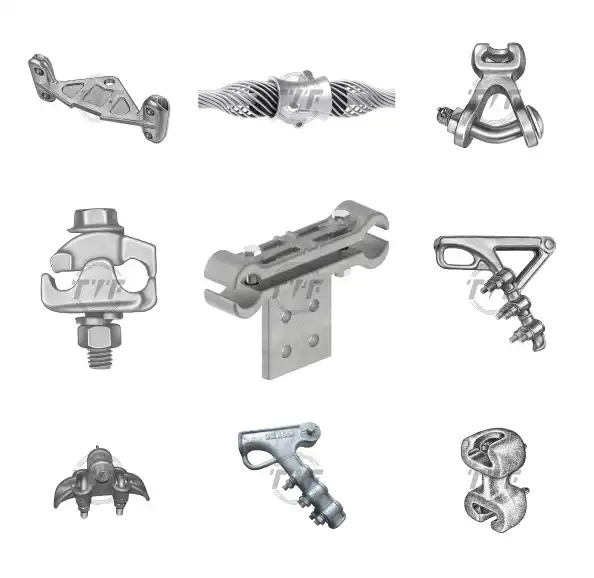
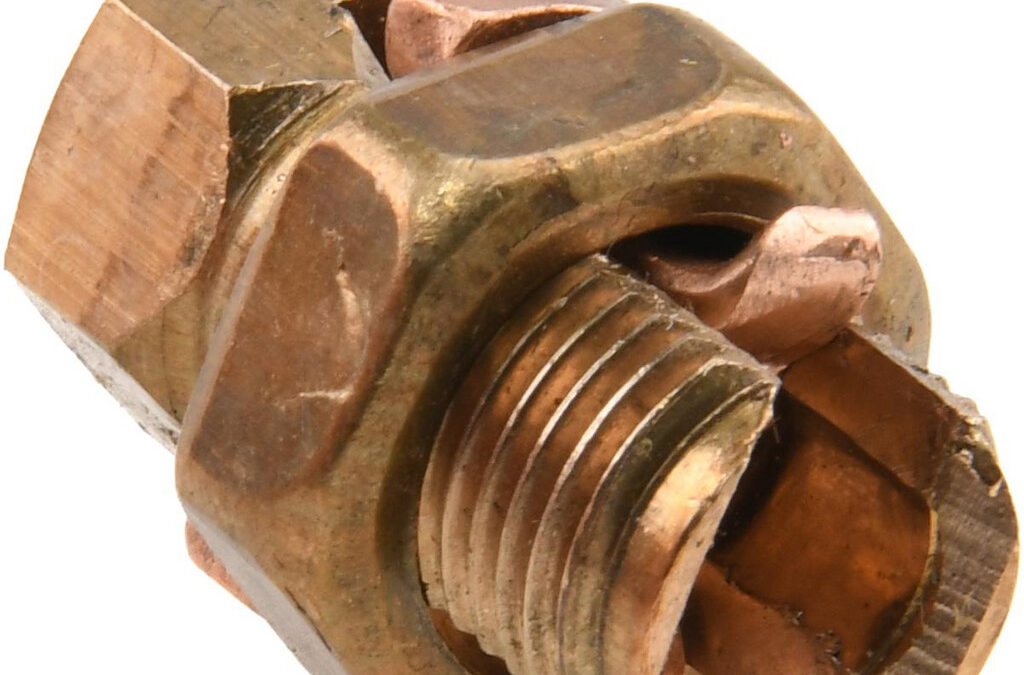
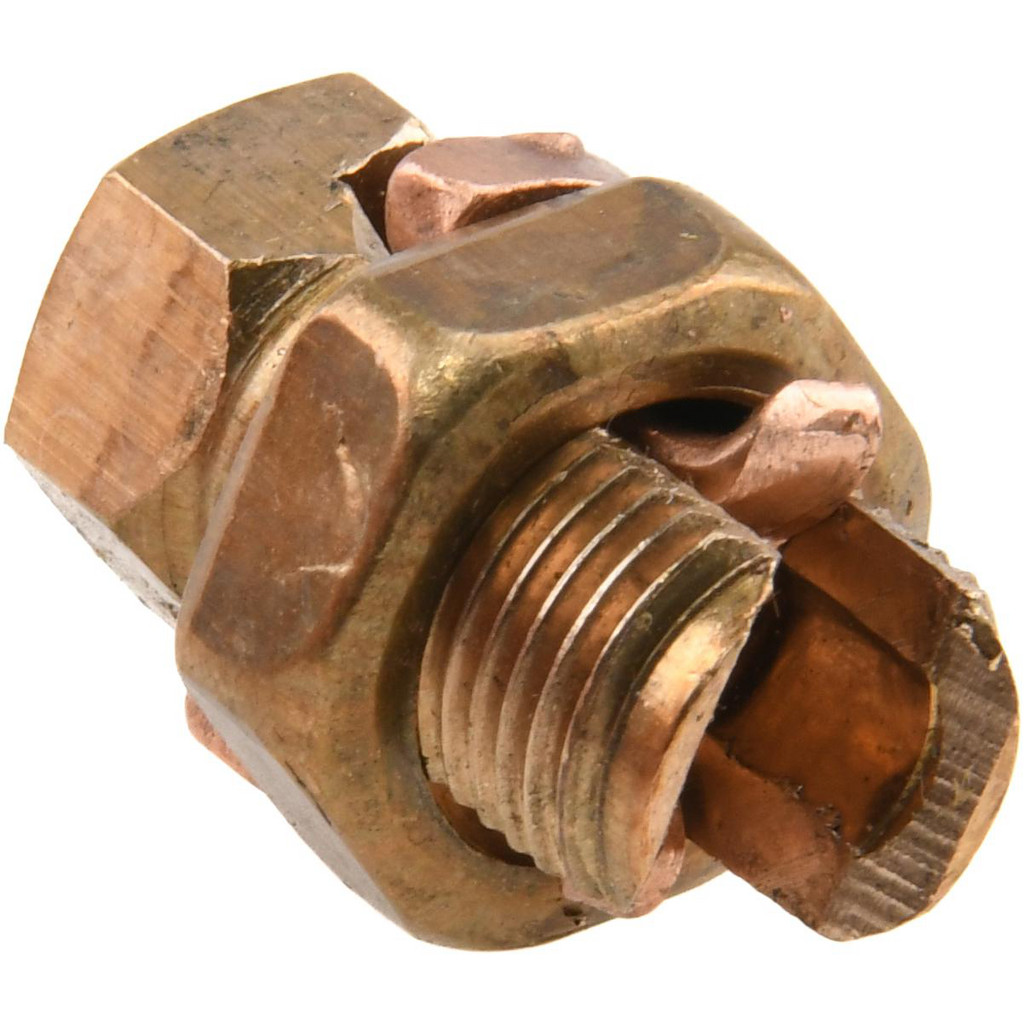
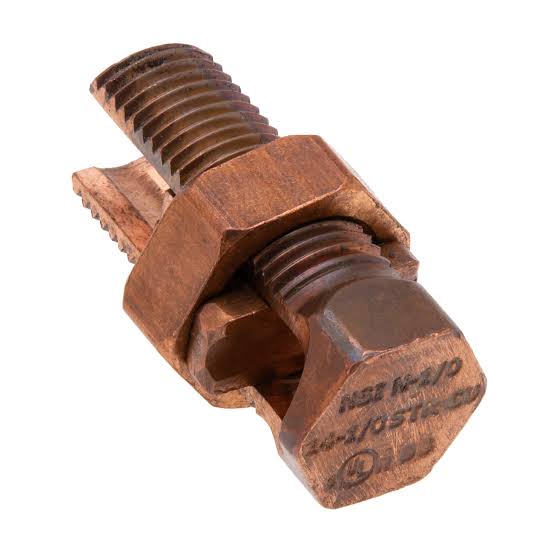
A split bolt connector is a mechanical electrical connector used to join two or more conductors by clamping them together with a threaded bolt and nut. The split design allows wires to be wrapped around a center bolt, then clamped with a pressure nut. Its connectivity ensures high conductivity, corrosion resistance, and long-lasting performance in power distribution and grounding systems. Split bolt connectors are ideal for grounding, bonding, and splicing wires. The connectors provide safe, durable solutions for splicing and terminating electrical conductors. Split bolt connectors come in different materials such as copper, bronze, aluminum, and bimetallic materials. The connector has a split body with a groove to hold the conductor, a threaded bolt that tightens against the wires, and a hex nut tightened with a wrench. Quality assurance for split bolt connectors ensures electrical safety, system reliability, and compliance with standards.
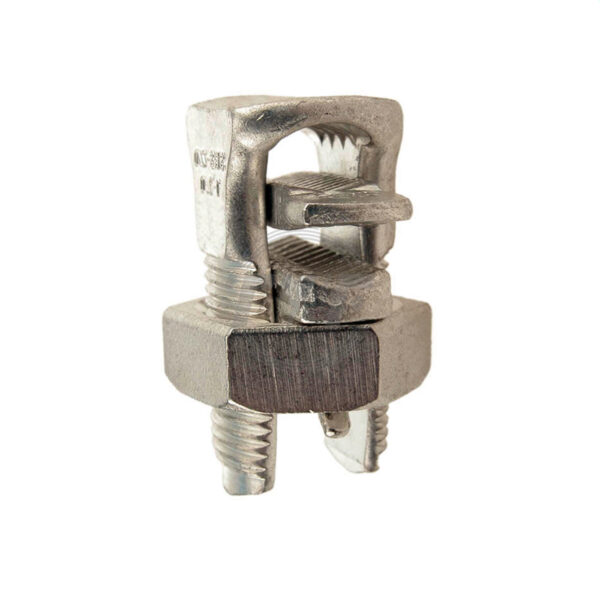
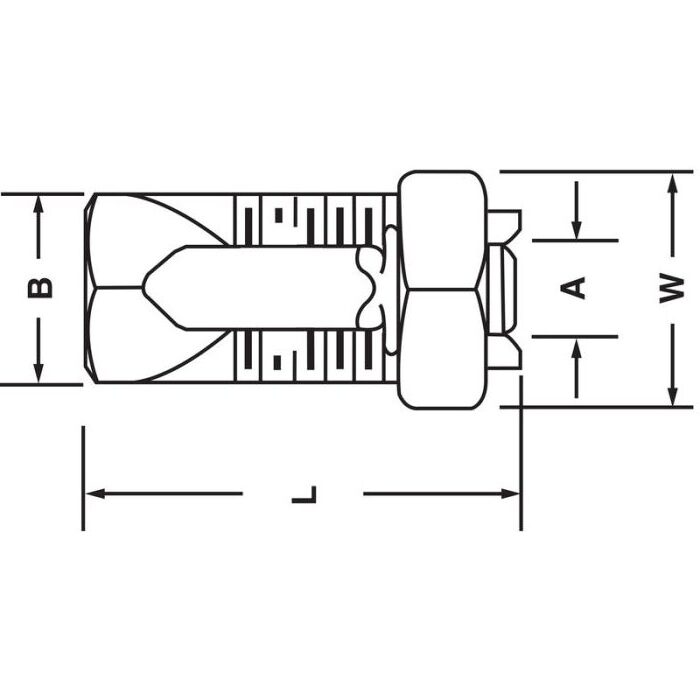
Copper Split Bolt Connector, Range 0.328 inch – 0.575 in
A split bolt connector is a mechanical fastening device used in power line construction to join or tap conductors without the need for soldering or compression tools. It consists of a split, threaded bolt and a matching nut, designed to clamp multiple conductors securely while maintaining electrical continuity. Split bolts are widely applied in grounding systems, overhead line splicing, and temporary or permanent conductor connections due to their simplicity and reliability.
Key Features:
- High Conductivity: Typically manufactured from copper or copper alloys to ensure low electrical resistance and efficient current transfer.
- Corrosion Resistance: Available with tin plating or other protective coatings to withstand harsh environmental conditions.
- Mechanical Strength: Robust design provides strong clamping force, ensuring stable and vibration-resistant connections.
- Tool-Friendly Installation: Requires only standard hand tools (e.g., wrench or spanner), eliminating the need for specialized equipment.
- Versatility: Suitable for a wide range of conductor sizes and compatible with copper-to-copper or copper-to-aluminum connections (with proper preparation).
- Reusable Design: Can be loosened and reinstalled, making it suitable for temporary setups or maintenance operations.
- Compliance: Often manufactured to meet industry standards such as ANSI, UL, or IEC for electrical connectors.
Components and features of split bolt connectors
A split bolt connector consists of components designed to create reliable electrical and mechanical connections between conductors. The connectors offer high mechanical strength, electrical conductivity, corrosion resistance, and reliable grounding and bonding. When selecting the connector, it is advisable to consider conductor material, ampacity, environmental conditions, and the manufacturer’s listed application. Here are the common components of the split bolt connectors.
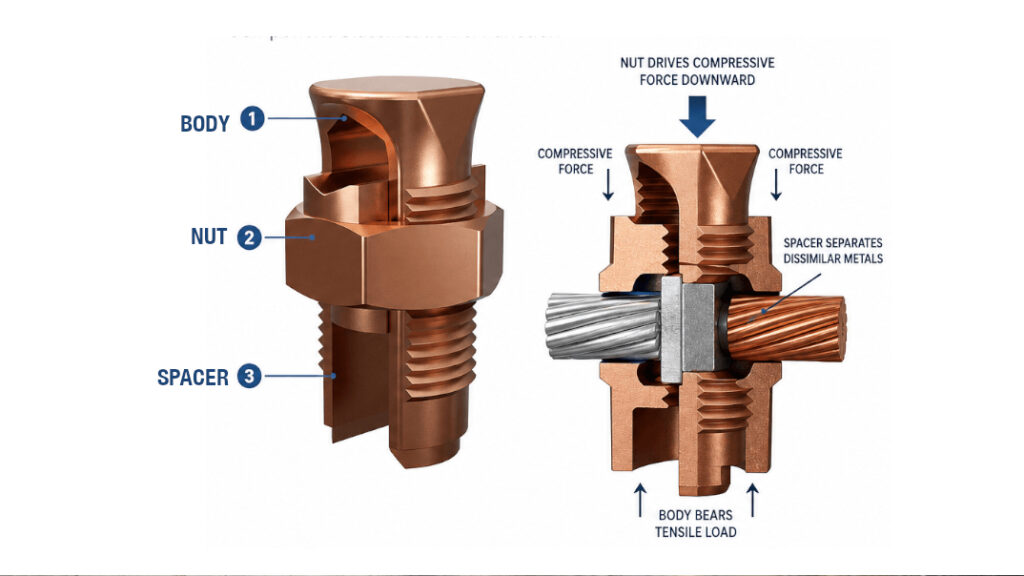
- Split bolt body—this is the longitudinal split or groove where the conductors are positioned. It provides the electrical contact path between conductors and holds them in alignment.
- Threaded bolt – this bolt provides the mechanical clamping force needed to secure the conductors. The bolt applies pressure to the connector body and conductors. It increases the contact area and reduces the risk of conductor movement.
- Nut – the hexagonal nut is tightened onto the threaded part of the connector. It generates clamping pressure, maintains conductor contact, and prevents the connection from loosening under normal operating conditions.
- Conductor groove – the groove determines the compatible conductor sizes, number of conductors to accommodate, contact area between the conductor and connector, and mechanical stability of the connection.
- Contact surfaces – the internal surfaces of the connector directly contact the conductors while their design influences electrical performance. A well-designed contact surface provides low electrical resistance, excellent electrical transfer, and stable contact pressure.
Roles of quality assurance during split bolt connector manufacture
Quality assurance for the connectors helps ensure they maintain mechanical integrity and electrical conductivity. A properly implemented QA system ensures that the connector meets specified dimensional, material, electrical, and mechanical requirements. Here are the roles of QA during the manufacture:
- Raw material verification – QA begins with the inspection of raw materials used in the manufacture of the connector. QA verifies material grade and chemical composition, mechanical properties, electrical conductivity, corrosion resistance, and material certificates.
- Dimensional quality control – the split bolt should have accurate dimensions to accommodate the specified conductor size. QA inspects bolt diameter and length, thread dimensions, nut dimensions, conductor groove diameter, connector body dimensions, and length.
- Thread inspection – the threaded section generates the clamping force that secures the conductors. It checks for correct thread profile, thread pitch, thread diameter, thread engagement, and proper nut-to-bolt fit.
- Electrical performance testing – QA verifies its electrical performance through contact resistance testing, electrical continuity testing, conductivity verification, and resistance stability after mechanical testing.
- Mechanical strength testing – the connector must withstand the mechanical forces generated during installation. Quality assurance helps check tensile strength, clamping force, torque performance, conductor retention, thread strength, and resistance to loosening.
- Corrosion resistance testing – outdoor electrical connections can experience humidity, salt, pollutants, and temperature fluctuations. QA checks the connectors’ resistance to environmental degradation.
- Torque verification – QA conducts torque tests to verify that the nut and bolt assembly can achieve the specified clamping force without thread stripping, bolt deformation, nut failure, and connector cracking.
Quality failure modes of split bolt connectors in power networks
Split bolt connectors serve in grounding, bonding, conductor splicing, and electrical connections in power networks. They must maintain mechanical clamping force and electrical continuity to prevent manufacturing defects, incorrect installation, material degradation, and environmental exposure. To reduce failure modes, manufacturers should put in place controls covering the entire production process through quality assurance. Here are the common quality failure modes of split bolt connectors.
- Poor electrical contact arises from insufficient clamping pressure, incorrect connector size, contaminated contact surfaces, and poor conductor positioning.
- Thread damage – damaged and incompletely formed thread can prevent the nut from generating the needed clamping force. Common defects include incorrect thread pitch, damaged threads, burrs, and incomplete thread formation.
- Insufficient clamping force – a split bolt depends on enough mechanical pressure to maintain reliable conductor-to-conductor contact. Insufficient clamping occurs because of incorrect torque, poor thread quality, incorrect connector dimensions, and improper conductor positioning.
- Over-tightening – this may cause thread stripping, bolt deformation, connector body cracking, conductor damage, and excessive deformation of the contact surfaces.
- Incorrect material selection – using a connector that is incompatible with the conductor material can create reliability issues.
- Corrosion – exposure to rain, humidity, salt, and industrial pollutants can deteriorate the connector and increase electrical resistance.
- Connector body cracks – cracks reduce mechanical strength, clamping capability, electrical contact stability, and resistance to vibration.
Materials used for split bolt connectors and the importance of quality assurance.
Materials used for the split bolt connectors influence its electrical conductivity, mechanical strength, corrosion resistance, and service life. Quality assurance ensures that the selected materials meet the electrical and mechanical specifications and are suitable for the intended operating environment.
Copper
Copper is common for split-bolt connectors used in grounding and bonding applications. They offer high electrical conductivity, good mechanical strength, corrosion resistance, good thermal performance, and compatibility with copper conductors. QA verifies the copper grade and chemical composition through material certification.
Copper alloys and bronze
These are ideal when greater mechanical strength and environmental resistance are essential. They provide mechanical strength, corrosion resistance, electrical conductivity, and resistance to outdoor exposure. QA controls for these materials include chemical-composition verification, hardness testing, dimensional inspection, and mechanical testing.
Aluminum
Aluminum split bolt connectors are ideal for applications that involve aluminum conductors. They provide low weight, good electrical conductivity, good corrosion resistance, and suitability for aluminum conductor systems. Quality assurance protects aluminum components by verifying alloy composition, dimensional accuracy, and mechanical properties.
Bi-metallic materials and plated designs
This is crucial for split bolt connectors designed for copper-to-aluminum connections. The connectors may use special alloys, plating, or interface treatments to control galvanic corrosion and maintain reliable electrical contact. QA offers tests such as material compatibility verification, plating inspection, contact-resistance testing, and thermal cycling.
TTF-certified split bolt connectors. Why we certify:
TTF’s approach to power line hardware services results in optimal product quality, strict adherence to custom design, and reduced cost. We are constantly checking manufacturing processes, addressing material concerns, and improving staff expertise to ensure the best quality product. Our quality control for the split bolt connectors begins with the first batch of samples that you received from us. And this continues through all production phases, where our QC staff never stop looking for opportunities to improve product quality. We offer:

- Tolerance Analysis
- Tooling Life Analysis
- Rockwell Hardness Testing per ASTM E18
- Brinell Hardness Testing per ASTM E10
- Magnetic Particle Testing per ASTM E1444 CMM (Coordinate Measuring Machine) Testing
- 24″ Optical Comparator for Complex Measurements
- Tensile/proof load testing up to 160,000 lbs (700 kN)
- Hot Dip Galvanizing Plating Thickness per ASTM E376
- Torque Testing
- Roughness Testing
- Lifetime Sample Retention
- Dimensional Testing
- Mechanical Testing
The advantages of split bolt connectors in power networks
Split bolt connectors join, splice, ground, or bond conductors in power networks. They combine mechanical clamping and conductive contact that makes them useful in distribution systems, grounding networks, and electrical infrastructure. Here are the main advantages of split bolt connectors in power networks.
- Reliable electrical conductivity – the connectors provide direct metal-to-metal contact between conductors. They create a low-resistance electrical connection that helps current to flow through the joint.
- Strong mechanical connection – the threaded bolt and nut generate clamping force around the conductors. This prevents conductor movement and maintains the integrity of the connection under mechanical stresses.
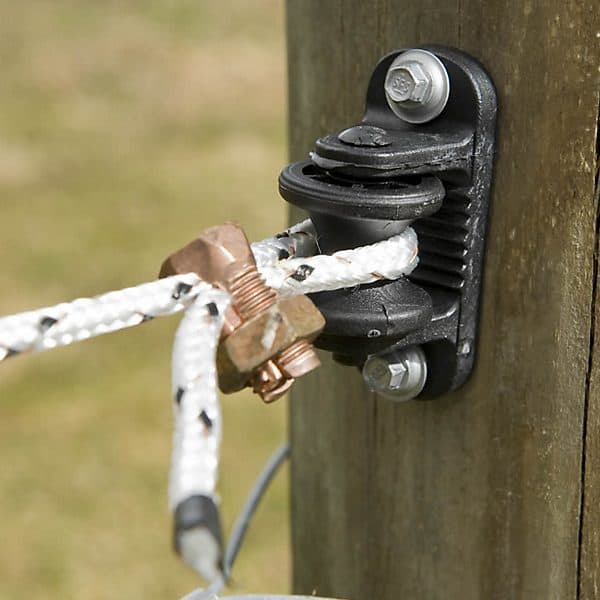
- Easy installation – the connectors need fewer specialized tools than compression connectors. They help simplify field installation and maintenance.
- Accommodating conductors—most split bolt designs can accommodate two or more conductors depending on their rated conductor combinations. This makes them useful for creating branch connections, grounding taps, and conductor splices without the need for extensive changes to the existing network.
- Good corrosion resistance – connectors manufactured from suitable copper alloys provide good resistance to environmental degradation.
In summary,
Split bolt connectors are connectors designed to join, splice, ground, and bond conductors in power networks. Their design includes a conductive split body, threaded bolt, nut, conductor groove, and contact surfaces. Split bolt connectors are from materials like copper, bronze, aluminum, and tinned copper. These materials help provide conductivity, strength, and corrosion resistance. Additionally, conducting quality assurance for the connectors helps verify material composition, dimensions, threading, plating, mechanical strength, electrical conductivity, torque performance, and corrosion resistance. Quality assurance helps avoid common failures such as poor contact, inadequate clamping, corrosion, thread damage, cracking, material incompatibility, and thermal degradation. Split bolt connectors offer reliable conductivity, strong mechanical connections, durability, and easy installation.