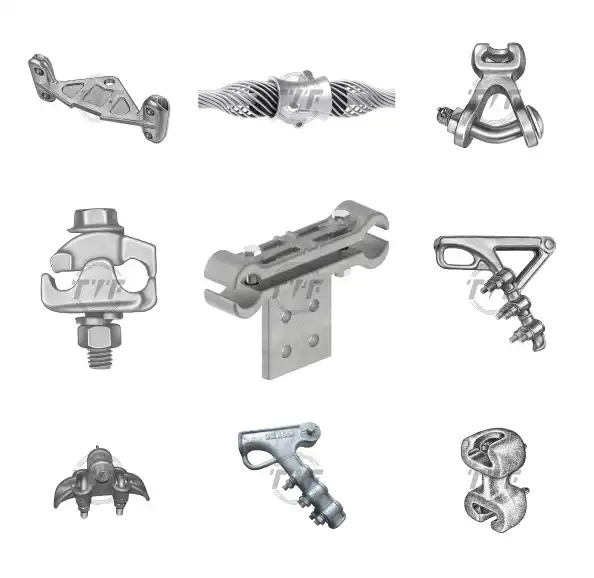
A line guard is a protective fitting used to shield conductors, hardware, and nearby equipment from mechanical wear, abrasion, vibration damage, and electrical interference. It serves at points where conductors experience stress, contact, or movement. Line guards prevent physical damage to conductors caused by wind-induced conductor movement, friction between cables, and wildlife interference. They also reduce repetitive motion that can lead to strand fatigue, conductor cracking, and hardware loosening. The guards help maintain spacing and insulation performance by preventing accidental contact between energized conductors and grounded components. Line guards consist of high-density polyethylene, UV-resistant polymers, aluminum alloys, galvanized steel, and elastomeric compounds. Selecting the materials for the line guards depends on voltage level, environmental exposure, mechanical loafing, corrosion conditions, and temperature range. Conducting quality assurance for the line guards influences worker safety, operational efficiency, and regulatory compliance.
The benefits of conducting quality assurance for line guards used in overhead power networks
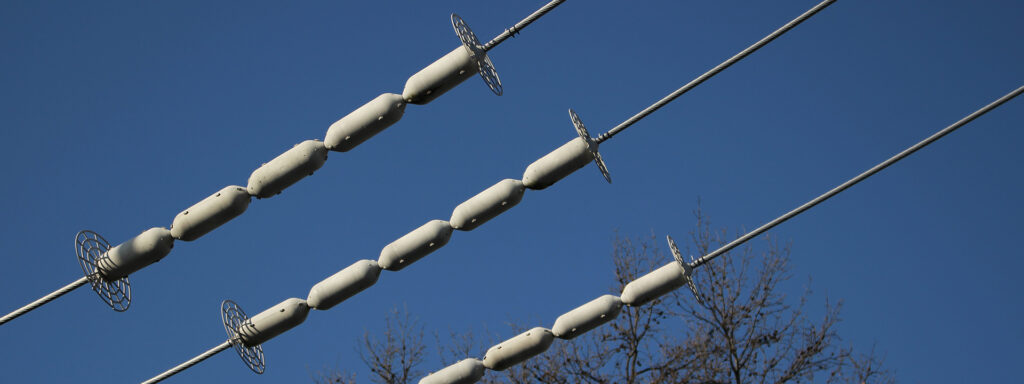
Conducting quality assurance for line guards is crucial for conductor protection, grid reliability, operational safety, and asset lifespan. Poor-quality line guards can lead to premature conductor failure, outages, mechanical instability, and increased maintenance expenses. QA verifies that the line guard can withstand operational mechanical loads without cracking, deforming, or slipping from the conductor. The process checks dimensional accuracy, surface smoothness, proper fitment, and compression consistency. Reliable line guards help reduce flashovers, conductor fatigue failures, unplanned outages, and emergency maintenance interventions. Quality assurance confirms that materials meet required standards for tensile strength, corrosion resistance, UV stability, and thermal performance. Material verification prevents corrosion-related failures, brittleness, polymer degradation, and structural weakening. Line guards during quality assurance undergo mechanical tests, material tests, dimensional inspection, and environmental tests. These tests help detect cracks in polymer guards, weak galvanization coatings, improper rod tension, uneven helical formation, surface burrs, and material contamination.
The roles of quality assurance during line guard manufacturing
Quality assurance for the line guards ensures that they meet mechanical, electrical, dimensional, and environmental performance requirements for overhead power networks. QA is integrated throughout the entire manufacturing process rather than performed only at final inspection. Quality assurance during cable guard manufacturing helps manufacturers deliver durable, standard-compliance line guards capable of operating under demanding environmental and mechanical conditions. QA roles during line manufacturing include:
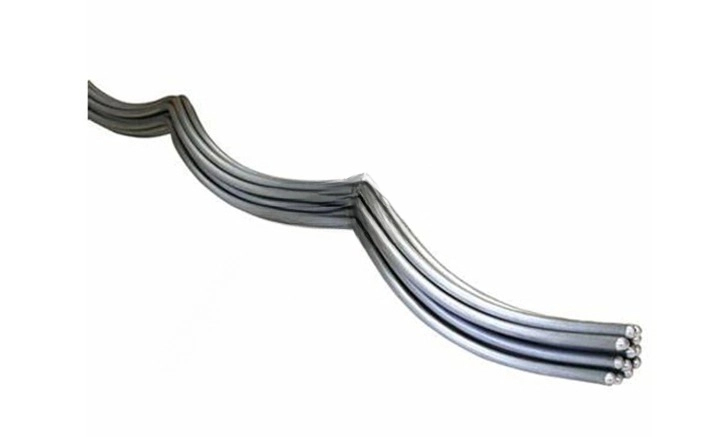
- Raw material verification—this is the inspection and validation of incoming raw materials used to manufacture line guards. Common materials include aluminum alloy, galvanized steel, polymer compounds, HDPE, and UV stabilizers. QA verifies chemical composition, material grade, mechanical strength, and corrosion resistance.
- Process control and manufacturing consistency—line guard manufacturing involves extrusion, helical forming, casting, bending, heat treatment, and coating application. QA monitors these processes to maintain consistent production quality.
- Dimensional accuracy verification—dimensional inspections verify inner diameter, rod pitch, length, thickness, and tolerance limits. This is important as improper sizing can damage conductors, cause loose installation, and reduce protective effectiveness.
- Surface quality inspection – QA checks for burrs, sharp edges, cracks, coating defects, surface contamination, and uneven galvanization. Poor surface quality may cause conductor abrasion, corrosion initiation, reduced insulation performance, and mechanical stress concentration.
- Mechanical performance testing—cable guards must withstand vibration, tension, wind loading, and conductor movement. QA conducts mechanical tests such as tensile strength testing, fatigue testing, compression testing, and vibration resistance testing.
- Corrosion protection validation—QA verifies galvanization thickness, coating adhesion, salt spray resistance, and surface uniformity. Corrosion resistance is crucial in industrial environments, high-humidity areas, and polluted atmospheres.
- UV and environmental resistance testing—polymeric line guards face constant sunlight and weather variations. Conducting QA checks on UV stability, thermal aging resistance, moisture resistance, and temperature tolerance. Environmental testing prevents polymer brittleness, color degradation, cracking, and loss of mechanical strength.
Common quality failures facing the line guards
Line guards face mechanical stress, environmental exposure, vibration, and electrical operating conditions. Poor material selection and manufacturing quality can cause failures that reduce conductor protection effectiveness, shorten service life, and increase the risk of outages. These failures include:
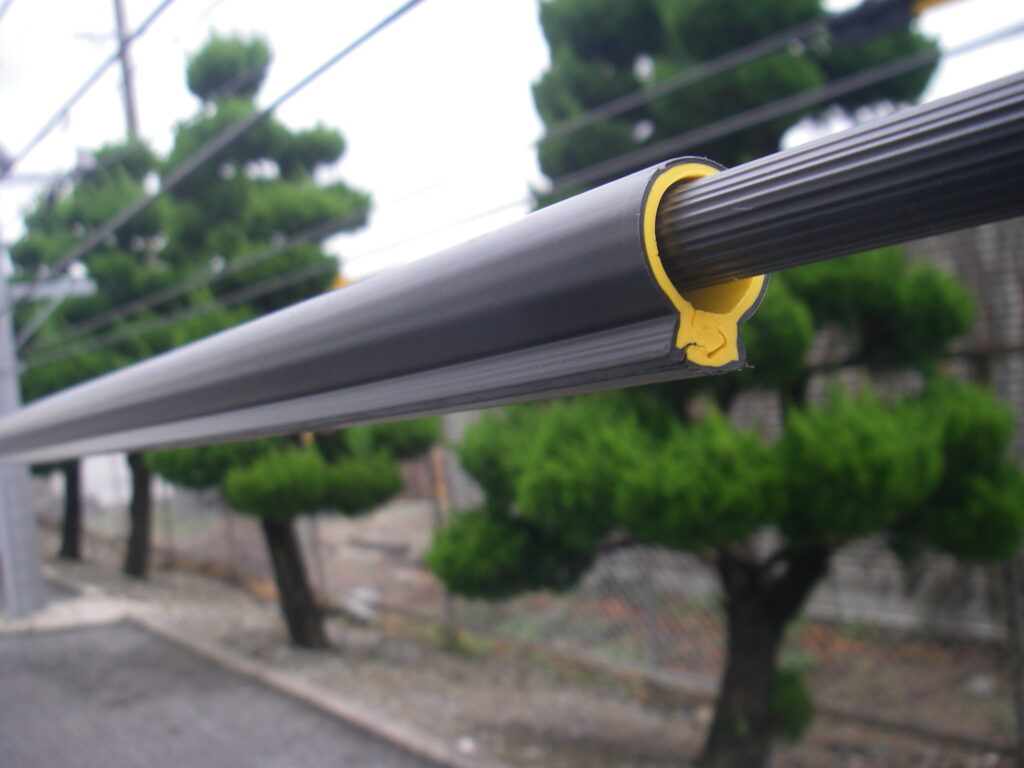
- Material cracking and brittleness—cracking comes from poor-quality polymers, inadequate UV stabilizers, thermal aging, low-temperature brittleness, and manufacturing defects. These lead to reduced mechanical protection, exposure of conductors, water ingress, and product failure.
- Corrosion of metallic components—metallic line guards may suffer corrosion without proper coatings. Corrosion on line guards includes galvanic corrosion, atmospheric corrosion, salt-induced corrosion, and industrial chemical corrosion. These lead to loss of structural strength, surface pitting, reduced mechanical integrity, and premature failure.
- Poor fitment and dimensional inaccuracy—improper dimensional tolerances can cause line guards to fit too tight, too loose, or slip during operation. This causes conductor abrasion, installation instability, reduced vibration protection, and mechanical stress concentration.
- Surface defects and burr formation—rough surfaces can damage conductor strands instead of protecting them. These defects include burrs, sharp projections, uneven coatings, surface cracks, and metal flakes. These lead to conductor strand wear, abrasion damage, increased fatigue risk, and reduced conductor lifespan.
- UV degradation—poor UV resistance may cause fading, embrittlement, surface chalking, and loss of elasticity. These cause reduced mechanical flexibility, cracking, structural weakness, and early failure.
- Mechanical fatigue failure—inferior line guards may fail under repeated stress cycles through fracture, rod separation, loss of clamping force, and structural deformation.
Materials for line guards and the importance of quality assurance
Line guards are able to withstand mechanical stress, environmental exposure, electrical operating conditions, and outdoor service. Material selection affects the durability, flexibility, corrosion resistance, and protective performance of the line guard. Quality assurance verifies that these materials meet required standards and maintain consistent performance throughout manufacturing and field operation. QA protects these materials through rigorous testing, inspection, process control, and standard verification. Common materials for the line guards are as discussed below.
Aluminum alloy
This is common for armor rod line guards and conductor protection systems because of their lightweight structure and high corrosion resistance. Aluminum alloys have a high strength-to-weight ratio, good electrical conductivity, corrosion resistance, flexibility, and compatibility with aluminum conductors. Common alloy types used are aluminum-magnesium-silicon alloys and heat-treated conductor-grade aluminum. QA tests the aluminum alloy through spectrometer analysis, tensile testing, fatigue testing, and surface inspection.
Galvanized steel
This is common in heavy-duty line guards because of its high mechanical strength and durability. It offers high tensile strength, load-bearing capability, impact resistance, and long service life. It serves in heavy mechanical reinforcement, high-load transmission systems, and structural protection fittings. Galvanized steel may face rust formation, coating peeling, hydrogen embrittlement, and surface cracking. QA checks zinc coating thickness, adhesion quality, steel composition, and mechanical strength.
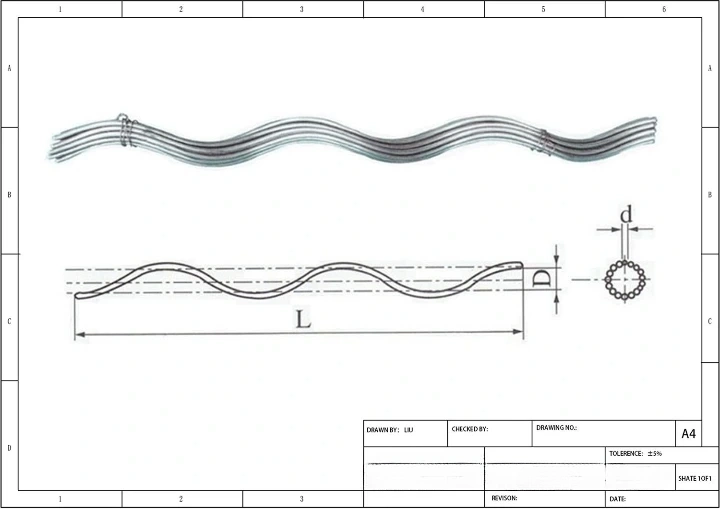
High-density polyethylene (HDPE)
This material is lightweight, UV resistant, has electrical insulation capability, and has chemical resistance. It is ideal for spiral vibration guards, tree wire protection, wildlife guards, and covered conductor protection. HDPE may face UV degradation, brittleness, thermal deformation, and surface cracking. QA confirms polymer grade quality, UV stabilizer content, thermal resistance, and flexibility performance.
Composite materials
Advanced line guards may incorporate composite materials for enhanced performance. Composite offers high strength, reduced weight, corrosion resistance, and improved environmental durability. Composites may face delamination, resin degradation, and structural inconsistency.
TTF-certified line guards. Why we certify.
TTF’s approach to power line hardware services results in optimal product quality, strict adherence to custom design, and reduced cost. We are constantly checking manufacturing processes, addressing material concerns, and improving staff expertise to ensure the best quality product. Our quality control for the line guards begins with the first batch of samples that you received from us. And this continues through all production phases, where our QC staff never stop looking for opportunities to improve product quality. We offer:

- Tolerance Analysis
- Tooling Life Analysis
- Rockwell Hardness Testing per ASTM E18
- Brinell Hardness Testing per ASTM E10
- Magnetic Particle Testing per ASTM E1444
- CMM (Coordinate Measuring Machine) Testing
- 24″ Optical Comparator for Complex Measurements
- Tensile/proof load testing up to 160,000 lbs (700 kN)
- Hot Dip Galvanizing Plating Thickness per ASTM E376
- Torque Testing
- Roughness Testing
- Lifetime Sample Retention
- Dimensional Testing
- Mechanical Testing
The advantages of using cable guards in energy and power networks
Line guards provide a layer of mechanical and environmental protection in overhead energy networks. It stabilizes system performance, reduces lifecycle costs, and improves network resilience under variable operating conditions. Line guards in power and energy networks offer:
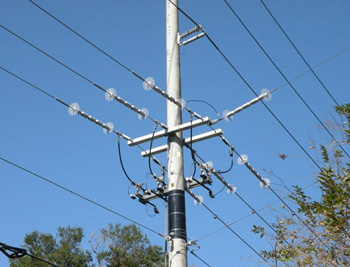
- Protection against mechanical wear – conductor guards mitigate abrasion at suspension and support points, rubbing between conductor and fittings, and contact with adjacent hardware.
- Reduced vibration-induced failure—line guards help damp localized vibration stress, reinforce high-stress regions, and reduce bending fatigue at clamping points.
- Extended lifespan of conductors and hardware—cable guards increase the operational lifespan of conductors, suspension clamps, dead-end fittings, and splice points. This leads to delayed asset replacement cycles and improved infrastructure durability.
- Improved network reliability—line guards contribute to system continuity by reducing failure points. They prevent mechanical wear-related outages and weather-induced damage.
- Support for grid expansion and modernization—line guards help stabilize new and existing infrastructure. They serve in solar farm interconnections and rural electrification projects.
In summary,
Line guards protect power network conductors from mechanical wear, vibration, and environmental stress. They ensure stable and reliable energy transmission. The effectiveness of line guards depend on proper material selection, precise manufacturing, and strict quality assurance throughout production. Quality assurance prevents failures such as cracking, corrosion, dimensional inaccuracies, and UV degradation. Cable guards contribute to longer asset life, reduced maintenance costs, improved system safety, and higher network reliability.depends