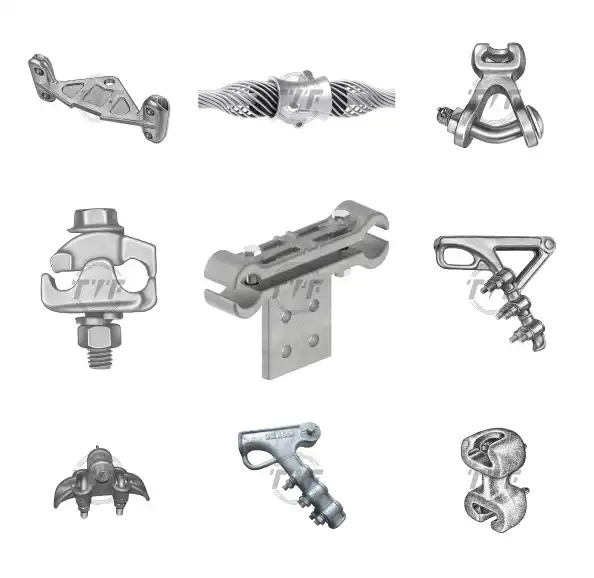
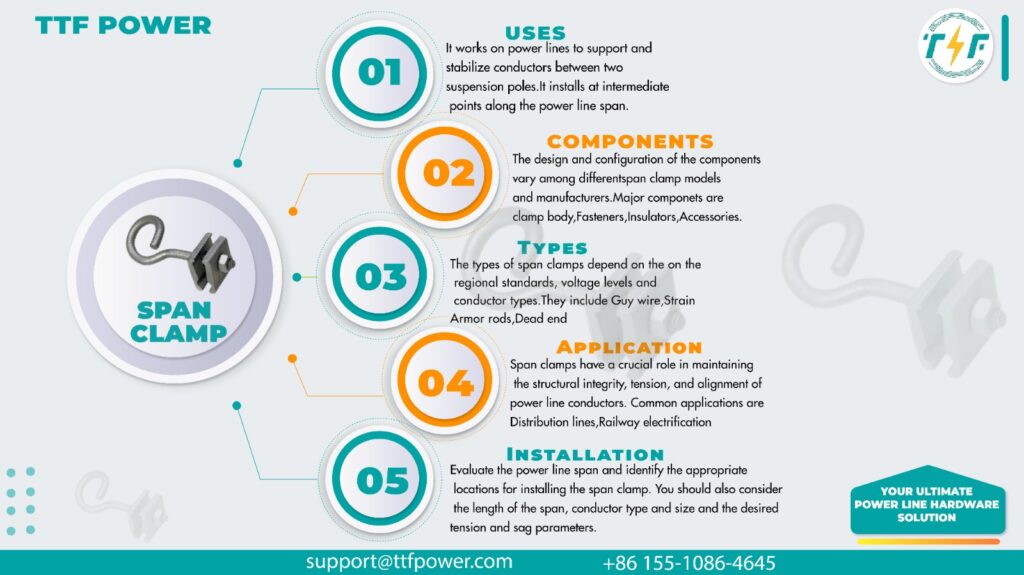
A span clamp is a mechanical fastening device used to secure and support conductors or cables along a span. It maintains conductor position, manages mechanical loads, and preserves electrical integrity under varying environmental conditions. Span clamps distribute tensile and transverse loads across the conductor to prevent stress concentrations. The clamps also maintain proper sag and alignment between structures to ensure compliance with line design parameters. Span clamps serve as mid-span support for ABC (aerial bundled cable) systems, low- and medium-voltage distribution lines, service drop connections, telecommunication installations, and street lighting. Span clamps are made from materials selected for mechanical strength and environmental resistance. Common materials include aluminum alloys, galvanized steel, UV-resistant plastics, and elastomer inserts. During manufacture, it is important to enhance quality assurance for the clamps. This helps prevent failures in quality that lead to conductor slippage, fatigue failure, corrosion, insulation damage, and line sag.
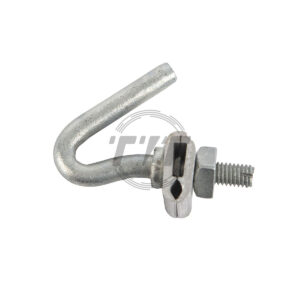
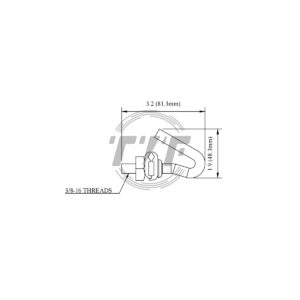

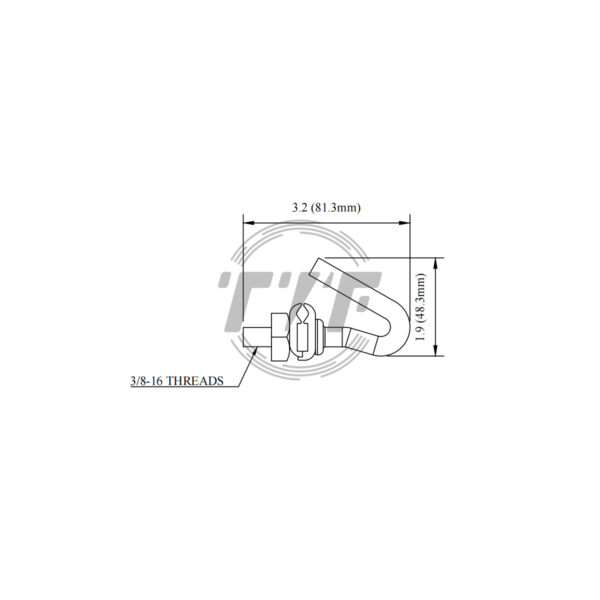
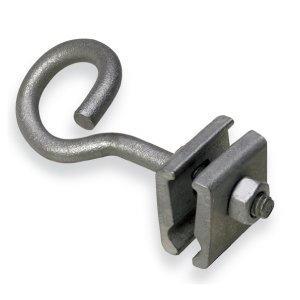
Galvanized Steel C Span Clamp
The C-Span Clamp is a high-strength mechanical fitting designed to support and secure overhead conductors in power transmission lines. Engineered for durability and precision, it ensures stable conductor suspension, minimizes vibration, and maintains electrical continuity across long spans. Ideal for high-voltage and renewable energy grid applications.
Key Features:
- Heavy-duty galvanized steel or aluminum alloy construction
- Corrosion-resistant for all-weather performance
- Precision-engineered grooves for secure conductor grip
- Compatible with ACSR, AAAC, and AAC conductors
- Supports high mechanical tension and line sag control
- Available in suspension, tension, and vibration-damping types
- Easy installation with torque-controlled fastening system
Importance of conducting quality assurance for the span clamps
Quality assurance for span clamps is a risk control mechanism that influences the mechanical reliability, electrical safety, and cost of overhead transmission and distribution systems. Span clamps operate under mechanical stress and environmental exposure, which demands prevention of failures. Quality assurance ensures that each unit meets specified tensile strength, slip resistance, and fatigue performance. It prevents conductor slippage, ensures proper load transfer, and validates performance under wind, thermal expansion, and vibration cycles. Quality assurance verifies surface finish, dimensional tolerances, and compatibility with conductor types to avoid failures. It also validates corrosion resistance, UV stability, and resistance to thermal cycling and material fatigue. Additionally, enhancing QA ensures compliance with recognized standards such as IEC, ASTM, and utility-specific engineering requirements. This prevents failures, optimizes maintenance, and ensures the long-term reliability of overhead power networks.
The role of quality assurance during span clamp manufacturing
During the manufacture of span clamps, quality assurance ensures each unit meets mechanical, material, and dimensional inspections needed for overhead line performance. Quality assurance begins with raw material verification and continues through final inspection and documentation. Quality assurance for span clamps ensures it can withstand operational stresses, maintain conductor stability, and support the reliability of overhead transmission and distribution networks. Its roles include:
- Raw material verification—quality assurance begins with verification of materials used for span clamp manufacture. The materials undergo chemical composition analysis, verification of mechanical properties, and inspection of coating quality.
- Process control in manufacturing—QA controls forging control, machining precision, heat treatment monitoring, and surface treatment oversight. It reduces variability in coating processes to prevent premature corrosion.
- Dimensional inspection—span clamps should meet precise geometric specifications, including measurement of groove dimensions for conductor compatibility. Accurate dimensions ensure proper installation, effective grip, and prevention of conductor damage.
- Mechanical performance testing—the QA process includes routine and type testing to validate functional performance. These tests include tensile load testing, slip strength tests, and vibration testing. The tests simulate conditions to verify that clamps will perform reliably in service.
- Surface quality and defect detection—this test identifies and reduces manufacturing defects like cracks, voids, sharp edges, and inclusions.
- Assembly verification—quality assurance ensures correct assembly, proper torque application, alignment of clamping elements, and verification of component compatibility and fit.
Quality failures facing the span clamps used in overhead transmission networks
Lack of proper quality control leads to failures that disrupt their operation in power transmission networks. Common failures arise from material deficiencies, process inconsistencies, or improper design tolerances. These failures can lead to conductor damage, line instability, or outages. The defects also compromise grip strength, corrosion resistance, and fatigue performance. Here are the common quality failures facing span clamps used in overhead transmission networks.
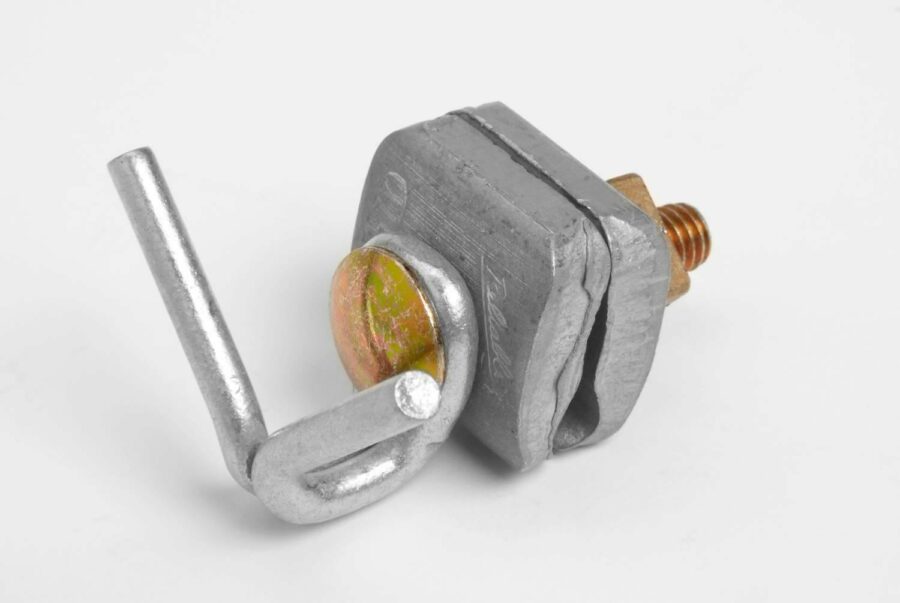
- Insufficient mechanical strength—this arises from the use of low-grade alloys, internal defects, and reduced tensile and fatigue strength. Clamp deformation leads to conductor drop or span failure.
- Conductor slippage—span clamp failures arise from incorrect groove geometry, inadequate bolt torque retention, and wear of gripping inserts.
- Corrosion and coating degradation—exposure to moisture, pollutants, and temperature cycles can degrade materials. Degradation comes from uneven galvanization on steel parts, use of non-corrosion-resistant alloys, and galvanic corrosion between dissimilar metals.
- Surface defects and poor finishing—QA prevents the presence of sharp edges, burrs, or rough contact surfaces, and surface cracks from poor casting or forging practices.
- Dimensional inaccuracy and tolerance issues—improper dimensions affect clamp performance in transmission networks. Common failures include a mismatch between the clamp groove and conductor diameter, misaligned bolt holes, or uneven clamping surfaces.
- Fatigue and vibration damage—span clamps experience poor fatigue resistance due to material or design limitations and lack of flexibility in suspension-type clamps.
- UV and environmental degradation—polymer-based clamps face UV degradation of plastic components and loss of elasticity in insulating or gripping materials.
Materials for span clamps and how quality assurance protects them
Span clamps are from high-quality materials selected to meet mechanical load capacity, environmental durability, and conductor compatibility. The quality assurance process ensures the material maintains its intended properties from procurement through installation. QA protects the materials through material verification, testing, and process control. This ensures they meet mechanical, chemical, and environmental requirements. Here are the materials and importance of quality assurance for span clamp materials.
Aluminum alloys
Aluminum alloys offer a high strength-to-weight ratio, natural corrosion resistance, and compatibility with aluminum conductors. Quality assurance measures for the alloys include spectrometric analysis, mechanical testing, inspection for casting defects, and verification of surface smoothness. QA ensures structural integrity and long-term resistance to environmental degradation.
Galvanized steel
Steel is crucial for bolts, nuts, washers, and structural reinforcements. Steel provides high strength for load-bearing components. The zinc coating provides corrosion protection for the clamps. Quality assurance measures include coating thickness testing, adhesion testing, verification of mechanical grade, and corrosion resistance testing. Enhancing assurance prevents premature rusting, fastener failure, and loss of clamping force.
Composite materials
Polymer and composite materials offer electrical insulation, lightweight and UV-resistant properties, and reduced risk of conductor damage. Quality assurance ensures UV aging tests, thermal cycling tests, verification of dielectric strength, and creep distance testing. These materials maintain insulation performance and mechanical stability.
Elastomer inserts
These materials enhance grip without damaging strands and absorb vibration and mechanical stress. Conducting quality assurance involves conducting hardness testing, compression set testing, and resistance to aging and environmental degradation. QA prevents conductor slippage and abrasion while maintaining consistent clamping force.
Protecting coatings and surface treatments
These treatments include hot-dip galvanization for steel, passivation for aluminum, and anti-corrosion coatings for harsh environments. Quality assurance measures for the clamps include measurement of coating uniformity and thickness, adhesion and peel tests, and inspection for coating defects.
Dissimilar material interfaces
Span clamps often combine aluminum, steel, and polymers. These materials face the risk of galvanic corrosion and differential thermal expansion. Quality assurance measures for these materials include validation of material compatibility, use of insulating barriers, and environmental simulation testing. These measures prevent electrochemical degradation and mechanical mismatch failures.
TTF-certified span clamps. Why we certify.
TTF’s approach to power line hardware services results in optimal product quality, strict adherence to custom design, and reduced cost. We are constantly checking manufacturing processes, addressing material concerns, and improving staff expertise to ensure the best quality product. Our quality control for the span clamps begins with the first batch of samples that you received from us. And this continues through all production phases, where our QC staff never stop looking for opportunities to improve product quality. We offer:

- Tolerance Analysis
- Tooling Life Analysis
- Rockwell Hardness Testing per ASTM E18
- Brinell Hardness Testing per ASTM E10
- Magnetic Particle Testing per ASTM E1444
- CMM (Coordinate Measuring Machine) Testing
- 24″ Optical Comparator for Complex Measurements
- Tensile/proof load testing up to 160,000 lbs (700 kN)
- Hot Dip Galvanizing Plating Thickness per ASTM E376
- Torque Testing
- Roughness Testing
- Lifetime Sample Retention
- Dimensional Testing
- Mechanical Testing
Advantages of quality assurance for span clamps in overhead power networks
Quality assurance for span clamps delivers benefits across reliability, safety, lifecycle economics, and network performance. Quality assurance helps ensure mechanical strength, environmental durability, and compliance. It also helps reduce failure risks, reduces maintenance burdens, and supports the stability of overhead power networks. These benefits include:
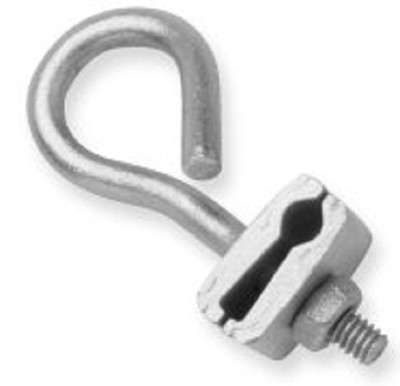
- Improved mechanical reliability—QA ensures that each span clamp meets tensile strength, grip force, and fatigue resistance. This reduces the risk of mechanical failure, maintains stable conductor positioning, and ensures consistent performance under wind, thermal expansion, and vibration.
- Enhanced network safety—span clamp integrity affects line safety, prevents conductor drop, reduces the risk of short circuits and flashovers. It also protects conductors from abrasion and insulation damage.
- Extended service life—QA validates materials and coatings against environmental stressors. These include resistance to corrosion, UV radiation, and temperature cycling.
- Prevention of power outages—QA reduces the risk of conductor slippage and line instability, prevents failures, and supports continuous power delivery.
- Asset performance and grid stability—consistent clamp performance helps maintain uniform load distribution, reduce vibration-induced damage to conductors, and support predictable electrical and mechanical behavior.
In conclusion,
The performance of span clamps depends on material integrity, manufacturing precision, and installation reliability. Quality assurance acts as a control system that includes verifying raw materials, enforcing process consistency, validating mechanical performance, and ensuring compliance with standards. Quality assurance addresses common failures such as corrosion, slippage, fatigue, and dimensional inaccuracies. This helps improve mechanical stability, electrical safety, reduced maintenance, and longer service life. Effective quality assurance transforms span clamps into reliable and long-term assets. These assets support grid resilience and reduces outages.