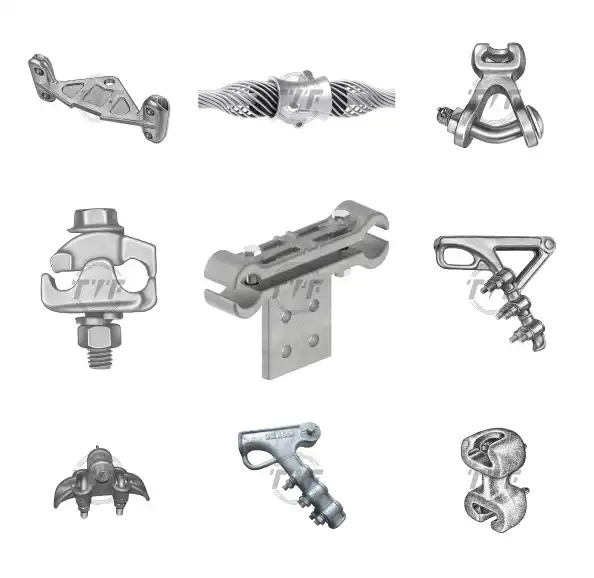
A ball clevis is a forged metal fitting used to connect insulator strings, conductors, and other line hardware. Its function is to provide a secure, flexible, and load-bearing connection between components where angular movement is expected. The ball-and-socket joint design allows slight rotation and movement without stressing the hardware. It thus becomes a crucial component for high-voltage lines exposed to wind, load shifts, and mechanical vibration. In power networks, the ball clevis connects insulator strings to suspension clamps or yoke plates, absorbs vibration and mechanical motion, provides mechanical strength, and ensures alignment. This is crucial to reduce wear on insulators and conductors. It works on high-voltage transmission lines, dead-end and suspension towers, and substation structures.
The working principle of a ball clevis
A ball clevis creates a flexible, high-strength link between insulators and line hardware. Its design allows it to handle tension, vibration, and dynamic loading conditions. It is an essential component for the mechanical and structural role in power networks. Ball clevises have a clevis that attaches to the socket or ball end of an insulator and the ball that fits into the socket portion of connected hardware. This joint creates angular deflection without stressing components, supporting smooth mechanical movement under wind, conductor swing, or line tension changes. The ball clevis is forged from high-strength steel or alloy materials. These materials withstand heavy tensile forces from conductors, constant vibration, and sudden load shifts. The clevis pin ensures a stable and fail-safe connection between the insulator and supported hardware. Ball clevises allow rotation and limited movement to maintain proper insulator alignment, stress relief, and distribution of load across the insulator string.
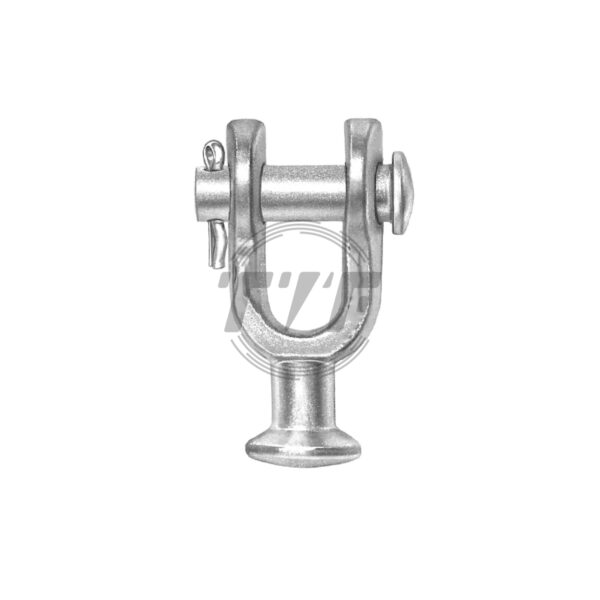
Galvanized Steel ball Clevis, 1.176 lb
The ball clevis is a critical hardware component in high-voltage power line construction, designed to connect insulator strings to tower fittings or other line hardware. Engineered for strength, durability, and secure load transfer, it ensures mechanical stability in both tension and suspension applications. Typically forged from galvanized steel, the ball clevis provides corrosion resistance and long-term performance in demanding outdoor environments.
Key Features:
- Material: Hot-dip galvanized forged steel for enhanced corrosion resistance
- Design: Ball-and-socket connection ensures smooth articulation and reliable load distribution
- Load Capacity: Rated for high tensile loads according to industry standards
- Compatibility: Interchangeable with standard insulator ball fittings (e.g., 16mm, 20mm ball sizes)
- Applications: Used in suspension and tension insulator assemblies in overhead transmission lines
- Standards Compliance: Meets ANSI, IEC, or equivalent transmission hardware specifications
Significance of the ball clevis in overhead power networks
The ball clevis is crucial for the structural safety and reliability of the power networks. Its design influences how the transmission lines withstand mechanical stress, environmental forces, and operational demands. It creates a ball-and-socket joint that absorbs movement due to wind pressure, temperature changes, and conductor swing. This prevents rigid connections, reduces strain on insulators, and reduces the risk of cracking. The ball clevis prevents torsion on insulators, reduce side-loading, and helps maintain proper vertical alignment. Ball clevises are made from high-tensile steel to carry conductor weight and shock loads during storms. Additionally, the ball clevis absorbs dynamic forces to prevent excessive insulator bending, hardware distortion, and mechanical failure. It acts as a mechanical buffer to protect line components. The ball clevises enable flexible and secure load distribution across insulators and clamps. They do so by ensuring reliable support, reduced risk of line drops, and stable operation.
Features and components of the ball clevis
The ball clevis consists of specific components and features that allow it to function under mechanical tension, vibration, and environmental stress. These help deliver strength, flexibility, and long-term durability in overhead line assemblies. These include:
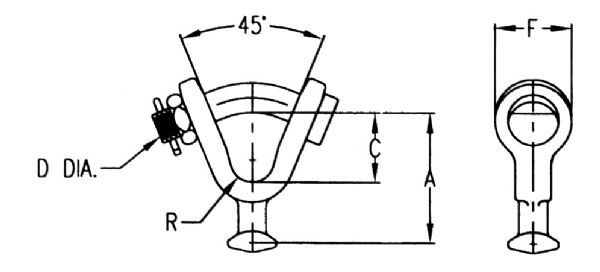
- Clevis body—this component holds the ball fitting and connects to the socket end of an insulator. It carries the mechanical load of the conductor and insulator string. The clevis body consists of forged steel, high tensile strength, and corrosion resistance.
- Clevis pin—this is a solid pin that locks the clevis to the mating hardware. It secures the U-shaped clevis around the connecting component. The pin allows quick assembly and safe and rigid attachment. It comes with a locking mechanism made of hardened steel to resist shear forces.
- Ball end—this engages with a matching socket on the line insulator. It enables the ball-and-socket motion that absorbs angular and rotational movement. The ball end allows the clevis to handle movement without transferring stress to insulators.
- Socket interface—the interface ensures proper mating with the ball end of another component. It provides rotational and angular flexibility and allows easy pivoting of the insulator string. This design is crucial for vibration damping and alignment stability.
- Galvanized finish—this coating helps the clevis resist corrosion, extends service life, and ensures mechanical strength. This is crucial to resist moisture, UV, and pollution.
- Standardized dimensions—the clevises follow industry standards, ensuring compatibility with insulator designs, interchangeability, and simplified maintenance and replacement.
- High mechanical load rating—ball clevises can withstand tensile loads from conductor weight, long-span mechanical stress, and dynamic forces during storms.
Types of the ball clevis
Straight ball clevis
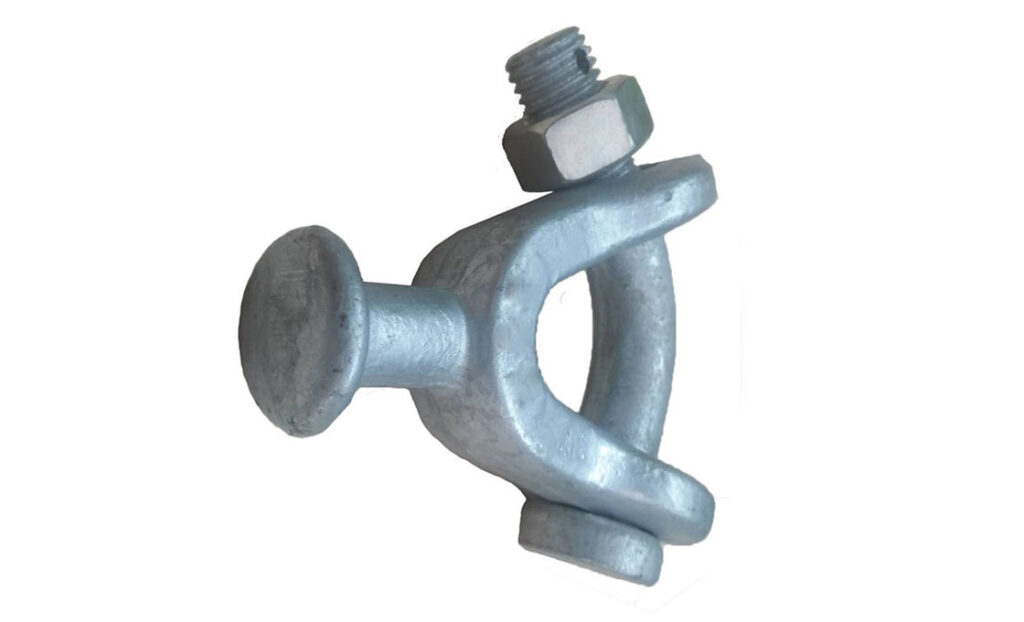
This features a straight, U-shaped clevis body and single pin connection designed to attach to suspension or strain insulator strings. It works in general transmission line connections, suspension towers, and substation insulator assemblies.
Angle ball clevis

The offset clevis accommodates installations where components are not aligned. It features an offset design between the clevis body and ball. It also handles angular misalignment and reduces torsion on insulators. Angle clevis works in line with steep vertical deviations, dead-end spans, and tight towers.
Long-type clevis
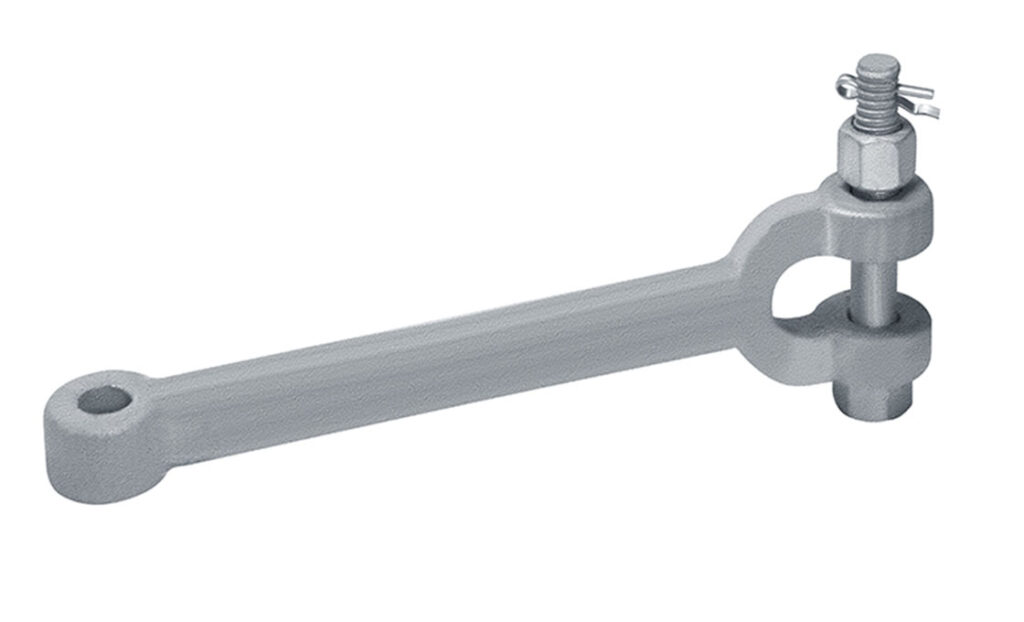
This features an elongated body for greater clearance, extra length to support wider articulation, and helps maintain spacing between fittings. It functions in installations that need increased distance between insulators and hardware. It also prevents hardware interference on long strings to improve mechanical stability on lines.
Ball clevis with integrated socket

The clevis includes a built-in socket to connect with a ball-end fitting. It combines clevis and socket into one piece and increases structural rigidity. It functions with composite strings, compact line hardware assemblies, and substation structures. This reduces connection points and improves mechanical reliability.
Heavy-duty clevis
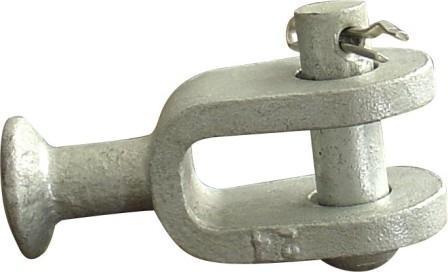
This consists of thicker forged steel construction, a higher tensile strength rating, and reinforced pin and eye geometry. It functions in extra-high-voltage and ultra-high-voltage lines, long-distance transmission spans, and areas with wind, ice, or storm loads.
Technical specifications for the ball clevis
The specifications for the ball clevis define its mechanical capacity, compatibility with insulator hardware, and suitability for different voltage levels. Technical specifications ensure the fitting performs reliably under the extreme mechanical and environmental conditions. The specifications ensure that the clevis carries high mechanical loads safely, fits insulators, resists corrosion, and allows controlled vibration and movement. These specifications include:
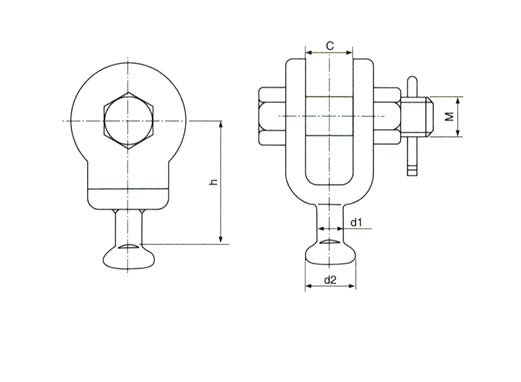
- Material composition—the ball clevises are from high-strength forged steel, alloy steel carbon-treated, and hot-dip galvanized steel for corrosion protection. The material selected should provide high tensile strength, resistance to fatigue, mechanical stress, and long-term corrosion resistance. It also includes coatings that protect against rust, ultraviolet degradation, and chemical pollutants.
- Mechanical strength rating—this defines how much load the clevis can withstand. Mechanical ratings include minimum breaking load, working load limit, and slip strength. They help utilities select ratings based on conductor size, span length, and tower configuration.
- Dimensional standards—the ball clevis should follow dimensional standards to ensure compatibility with insulators and fittings. Common dimensions include ball diameter, socket opening and depth, clevis jaw width, pin diameter and length, and hole size for mating hardware.
- Pin and fastening specifications—the clevis pin should be from hardened, high-strength steel, precision-machined for tight tolerance, and sized to resist shear, bending, and vibration. Some designs use double locking systems for extra safety in high-tension lines.
- Operating temperature range—the typical range includes -40°C to +80°C. Using special-coated variants may withstand harsh climates. This is ensures no deformation during extreme weather.
- Compatibility specifications—ball clevis must match insulator types, insulator fitting size, conductor tension needs, and tower hardware. This includes suspension clamps, yoke plates, and strain clamps.
Application areas of the ball clevis in power networks
The ball clevis works across segments of overhead power infrastructure, providing secure, flexible, and high-strength connections. This is crucial wherever insulator strings, conductors, and line hardware interface. Its design supports mechanical load-bearing and controlled articulation. Here are the application areas of the ball clevis in power networks.
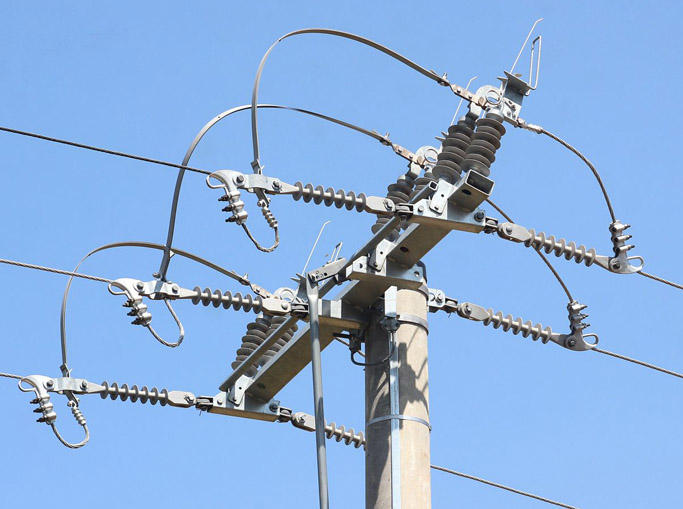
- Suspension towers—suspension towers support conductors in long spans to allow them to swing and move under dynamic changes. A ball clevis connects the top of the suspension insulator string to tower hardware. It joins the bottom of the string to suspension clamps and facilitates rotation and angular deflection. This is crucial to prevent insulator strain.
- Deadend towers—deadend towers anchor the conductor at the end of a span or at directional changes. The ball clevis helps link strain insulators to strain clamps, support heavy mechanical tension from the conductor, and maintain proper alignment.
- Angle towers and line deviations—ball clevis allows safe articulation of insulators at horizontal angles. They also reduce side-loading and provide a stable connection through directional shift.
- Substation structures—substations use insulators for equipment support, busbar connections, and switching operations. The ball clevis helps mount insulators, connect flexible joints in busbar systems, and support disconnect switches and dropout fuses.
- Transmission line hardware assemblies—ball cleviseswork with yoke plates, link fittings, socket fittings, arcing horns, and corona control rings. This ensures reliable compatibility across assemblies.
- Connections to conductors—the ball clevis forms part of the connection interface. This includes suspension clamps, strain clamps, and conductor jumpers in substation entry points.
Following best practices for the ball clevises
To ensure continuous and reliable operations of the clevis includes selecting the right load rating, ensuring compatibility with ball-and-socket insulators, and verifying proper pin locking to prevent slippage. It also includes applying high-quality galvanization for corrosion resistance, performing routine inspections, and replacing damaged components. This helps to maintain mechanical integrity and long-term line reliability for power networks.