A shackle insulator is a type of electrical insulator used in low- to medium-voltage overhead transmission and distribution lines. Its main purpose is to support and electrically isolate conductors from the utility pole and associated hardware. Shackle insulators are able to insulate and support the secondary conductors that can be mounted to the pole directly with an upset bolt to the electrical crossarm. It is normally shaped like a cylinder or disc with a groove around its perimeter for securing the conductor using binding wire. It mounts using a metal bolt or pin through its central hole to crossarms. Shackle insulators are mostly made from porcelain, glass, or polymer for high mechanical strength and excellent electrical insulation. It is also designed to withstand mechanical loads, environmental conditions, and electrical stress.
The working of a shackle insulator
A shackle insulator works by electrically isolating and mechanically supporting conductors in overhead transmission lines. Its design allows it to bear mechanical loads from the conductor while preventing current from flowing to the supporting poles. The conductor is tied around the groove of the shackle insulator using binding wire or metal straps. This secures the conductor in place. The insulator mounts to a pole through a metal bolt or pin through its center. The insulator absorbs mechanical strain from the tension of the conductor and maintains conductor height and alignment. The key function of the insulator is to prevent electrical current from leaking from the conductor to the pole. It has high dielectric strength that allows it to resist electrical flow even under wet conditions. Its smooth glazed surface helps shed water and dirt to reduce the risk of flashovers and ensures consistent performance under adverse weather conditions.
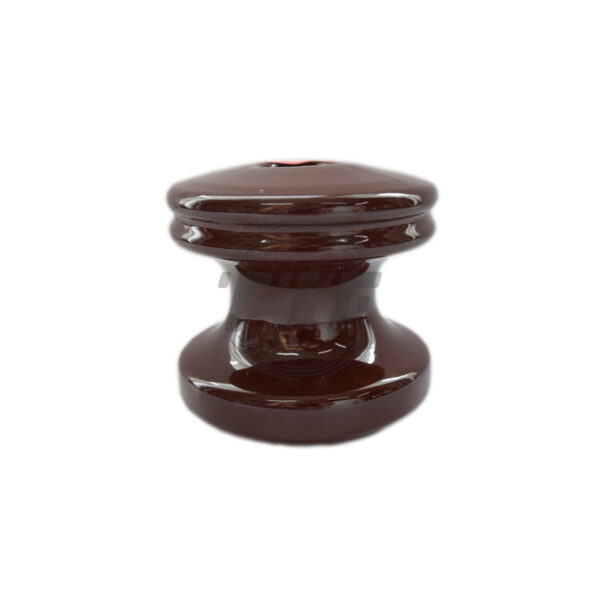
14-24 kv Shackle Insulator
The shackle insulator is a compact, high-strength insulating device used in low-voltage overhead power line construction. Designed to support and electrically isolate conductors at line terminals and angles, it ensures mechanical stability and dielectric performance in both horizontal and vertical configurations. Commonly made from porcelain or polymer, it is ideal for distribution systems up to 33 kV.
Key Features:
- Material: High-grade porcelain or polymer with weather-resistant glaze/coating
- Voltage Rating: Typically rated up to 33 kV
- Mechanical Strength: High tensile and compression resistance for securing conductors
- Design: Circular or elliptical body with central steel or galvanized iron pinhole
- Installation: Suitable for vertical and horizontal mounting using bolts or straps
- Durability: Resistant to environmental stresses, UV radiation, and electrical aging
- Standards: Manufactured to meet IEC, ANSI, or BS specifications
The significance of shackle insulators in overhead power lines
The shackle insulator plays a crucial role in the safety, reliability, and efficiency of overhead power lines. It protects the electrical system and the public from electrical hazards. Shackle insulators anchor the conductor at angle poles, dead ends, or service entry points. They help maintain the correct tension and spacing of conductors to prevent sagging or snapping under stress from wind. Shackle insulators reduce the risk of fires, electrical faults, and injuries to ensure safer operation of the power distribution systems. Shackle insulators are compact and can mount in horizontal or vertical positions, which makes them ideal for urban installations, tight places, and complex angles. Electrical insulators are resistant to UV radiation, moisture, pollution, and temperature extremes. This ensures long service life and low maintenance, which is crucial for power systems in rural areas.
Key features of overhead line insulators
Shackle insulators consist of various components designed to suit specific installation requirements, voltage levels, and mechanical loads. These components provide mechanical support and electrical insulation. They differ in material, size, shape, and mounting method. These components include:

- High electrical insulation—shackle insulators have excellent dielectric properties that prevent the flow of electricity from the conductor to the pole. They handle low to moderate voltage levels up to 33 kV in distribution lines.
- Strong mechanical strength—they are built to support tensile forces from conductors at angle points or dead-end poles. They resist mechanical stress from wind loading, line tension, and vibrations.
- Durable construction material—the insulators are from materials such as porcelain, toughened glass, and polymer. These materials provide strength, weather resistance, breakage, and UV resistance.
- Compact and versatile design—shackle insulators feature a cylindrical shape with a central hole for a bolt or pin. It also has grooves along the edges to secure the conductor with binding wire.
- Corrosion and weather resistance—shackle insulators are resistant to moisture, corrosive elements, and UV radiation. Their glazed surfaces help shed water and resist flashover in polluted or coastal environments.
- Low maintenance—shackle insulators need minimal inspection and servicing due to their long-lasting material properties and resistance to cracking.
Types of shackle insulators in overhead power line construction
Porcelain shackle insulators

These insulators are from glazed porcelain, known for its high dielectric strength, mechanical durability, and long service life. It mostly works in low- and medium-voltage distribution networks up to 33 kV. It is ideal for rural electrification, angle poles, and dead-end poles.
Glass shackle insulators
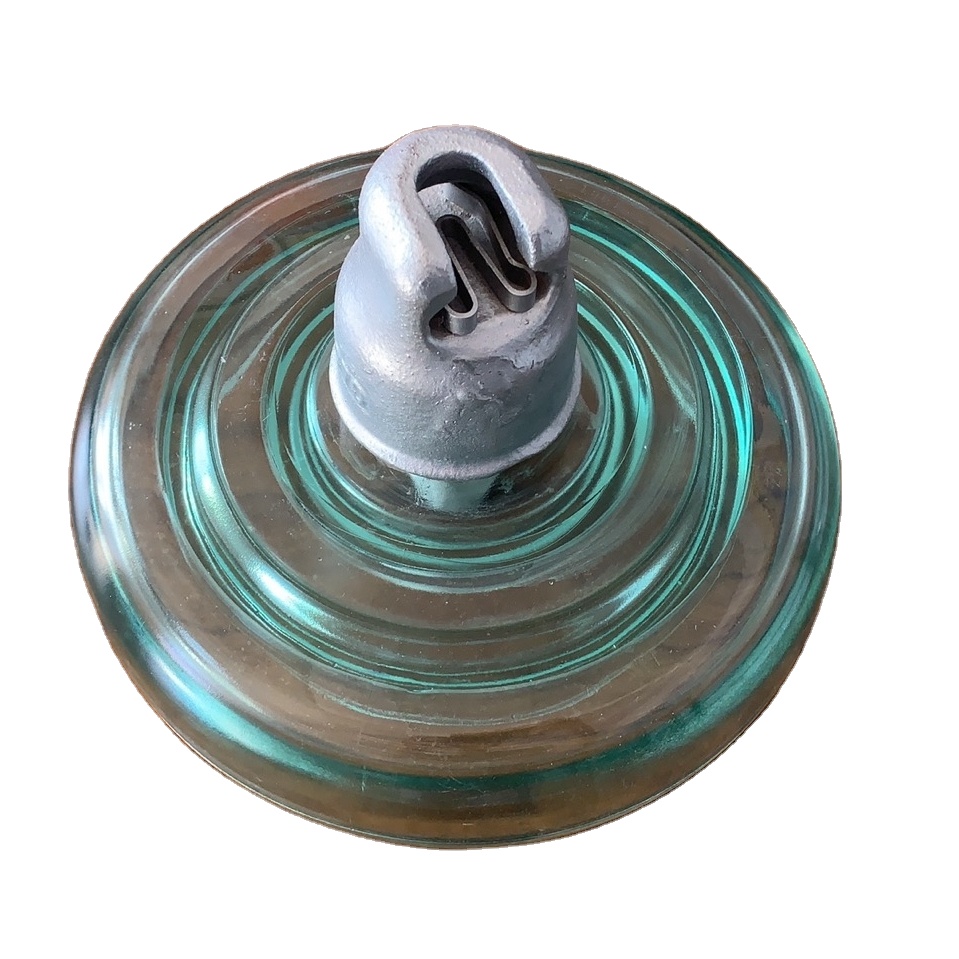
These insulators are from tempered or toughened glass, which provides high visibility of internal damage. It is effective in areas with high mechanical stress and UV exposure. Glass insulators are self-cleaning in wet weather and have high resistance to thermal shock and mechanical breakage.
Polymer insulators
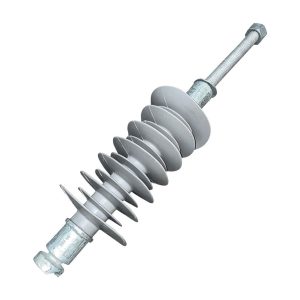
These consist of a fiberglass rod core covered with silicone rubber or polymer housing. They are common in modern installations in areas prone to pollution, salt fog, or vandalism. They provide excellent hydrophobicity and pollution resistance and reduce breakage during transport.
Solid core shackle insulators
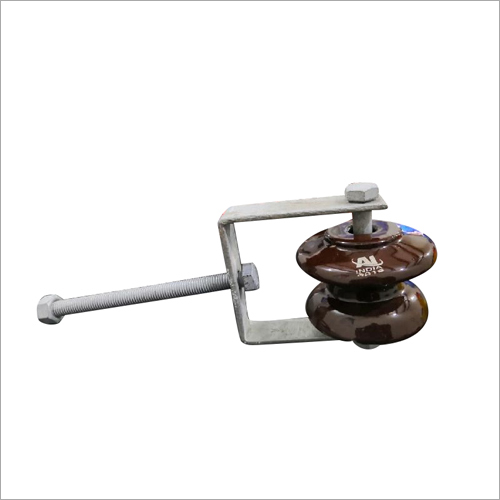
This is a single-piece insulator made with solid porcelain or polymer and serves where high mechanical strength is necessary. It has fewer components, which means reduced risk of mechanical failure. It also provides consistent mechanical and electrical performance.
Stack-type shackle insulators
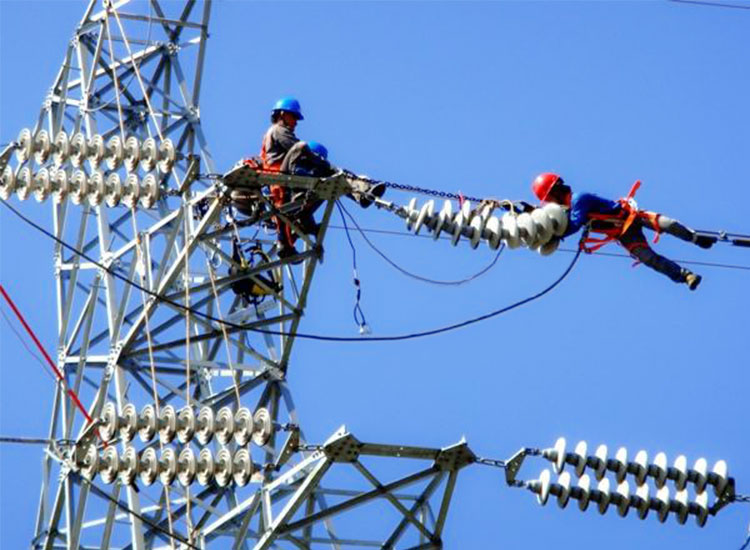
This is made by stacking many insulator units together for areas where greater insulation distance is essential. It is adaptable for increased insulation needs and allows for modular configurations.
Design and materials for electrical insulators
The design and materials of shackle insulators ensure safe, reliable, and long-lasting performance in overhead power line systems. Their form and composition impact their ability to withstand mechanical stress, environmental exposure, and electrical voltage. The combination of robust design and specialized materials makes the shackle insulator crucial for maintaining the integrity and efficiency of overhead power lines. Common materials for shackle insulators include porcelain, toughened glass, polymer, or composite materials. These materials provide resistance to thermal shock and UV degradation, high hydrophobicity, impact resistance, and vandal proofing. Its design includes:
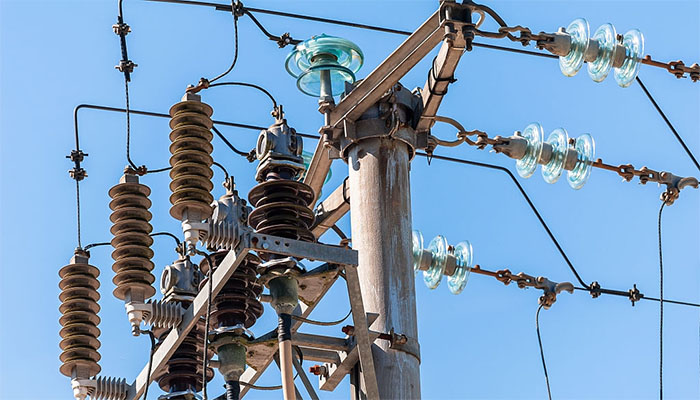
- Shape and structure—the insulator is cylindrical or disc-shaped with a grooved periphery that holds the conductor using a binding wire. The body includes a central hole through which a bolt or pin passes to anchor the insulator to a pole. It has designs for both horizontal and vertical mounting for installation flexibility.
- Grooves and slots—the grooves provide a secure grip for the conductor and ensure that binding wires do not slip during tension. Some designs include double grooves for extra grip or saddles for enhanced load distribution.
- Mounting hardware compatibility—the hardware is able to work with metal shackles, bolts, or U-clamps. It ensures a firm and vibration-resistant connection to support structures.
- Surface finish—most shackle insulators are glazed or coated to make their surface smooth and non-porous. It reduces dirt accumulation and improves water runoff.
Key functions of shackle insulators in overhead power lines
Shackle insulators serve many functions in overhead systems, including the low- and medium-voltage distribution networks. The insulator plays a crucial role in ensuring the safe, reliable, and efficient transmission of electricity by providing both electrical insulation and mechanical support. Here are the key functions of shackle insulators in the power systems.
- Electrical insulation—the insulator electrically isolates the live conductor from the grounded supporting structures. It prevents leakage currents, short circuits, and electrical shocks by maintaining a high dielectric resistance between the conductor and the mounting hardware.
- Mechanical support for conductors—shackle insulators secure the conductor in place and help bear the mechanical load caused by tension in the line. They are functional at dead-end poles, live deviation, or service entry to buildings. This support prevents conductor sagging, snapping, or displacement due to wind, tension, or vibrations.
- Maintaining line stability and alignment—the insulators hold the conductors firmly in the desired position to ensure the lines maintain proper clearance. This helps maintain electrical safety codes and system reliability.
- Protection against environmental factors—shackle insulators are able to withstand outdoor conditions, including rain, dust, UV exposure, and temperature extremes. Their hydrophobic surfaces help shed water and dirt to reduce the risk of flashovers.
- Versatile mounting capability—shackle insulators can install in both horizontal and vertical orientations, which makes them ideal for use in tight spaces. This adaptability improves their utility in both rural and urban distribution systems.
- Cost-effective line termination—compared to more complex insulator types like suspension or strain insulators, shackle insulators are affordable, easy to install, and have low maintenance. This makes them ideal for budget-conscious power utilities and rural electrification projects.
Following best practices for electrical insulators in overhead power lines
Electrical insulators are crucial components for overhead power line constructions. Following the best practices is crucial to ensure safety, reliability, and long-term performance of the electrical distribution system. Proper selection, installation, and maintenance help prevent outages, equipment failure, and safety hazards. Proper practices include selecting the right type of insulator, ensuring material quality, installing through correct mounting techniques, and keeping surfaces clean and free of contaminants. It also includes performing routine inspections and testing, protection against overvoltages and arcing, and ensuring worker safety during handling and installation. Adhering to these best practices for shackle insulators in overhead power lines reduces risks, improves system reliability, and extends equipment lifespan. This makes it a crucial aspect of power distribution infrastructure management.